

Smart home learning assistants have become central to modern connected living, helping users automate routines, answer questions, and control devices hands-free. The two most prominent options are Amazon Echo with Alexa and Google Nest with Google Assistant. While both serve similar core functions, their differences in ecosystem integration, privacy controls, and AI capabilities influence which suits different users best. Amazon Echo excels in device compatibility and customization, making it ideal for users with diverse smart home setups. Google Nest, on the other hand, provides smarter AI interactions and stronger privacy protections, appealing to those prioritizing data security and more natural conversations. Deciding between them depends on your specific needs for device ecosystem, privacy, intelligence, and budget.
At a Glance
| Criteria | Amazon Echo with Alexa | Google Nest with Google Assistant | Winner |
|---|---|---|---|
| Device Compatibility | Supports thousands of smart devices, highly customizable | Supports many devices, slightly fewer than A | A |
| AI Learning & Personalization | Good AI learning, some personalization | Advanced AI learning, highly personalized responses | B |
| Privacy & Data Security | Privacy settings available, data collection for features | Stronger privacy controls, minimal data sharing | B |
| Ease of Use & Setup | Simple setup, app-based controls | Easy setup with Google Home app | A |
| Smart Home Ecosystem Integration | Broad ecosystem, compatible with many brands | Ecosystem tightly integrated with Google products | A |
| Voice Recognition & Natural Language Processing | Strong voice recognition, good natural language understanding | Excellent voice recognition, context-aware conversations | B |
| Price & Value | Mid-range price, good value for device compatibility | Slightly higher price, premium features | A |
| Smart Home Device Range | Supports extensive smart device range | Good device range, especially for Google-compatible devices | A |
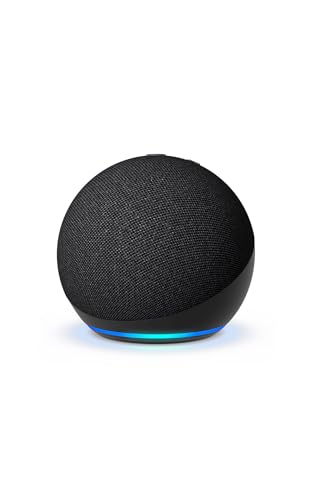
Amazon Echo Dot (newest model) – Vibrant sounding speaker, Designed for Alexa+, Great for bedrooms, dining rooms and offices, Charcoal
Your favorite music and content – Play music, audiobooks, and podcasts from Amazon Music, Apple Music, Spotify and…
As an affiliate, we earn on qualifying purchases.
As an affiliate, we earn on qualifying purchases.
Key Differences
The primary distinction lies in device ecosystem compatibility and AI intelligence. Amazon Echo supports a wider array of smart home devices, making it more flexible for users with diverse setups. Its customization options are extensive, allowing for tailored routines and device controls. In contrast, Google Nest’s AI offers more advanced learning and personalized responses, making interactions feel more natural and intuitive. Privacy is another key factor: Google emphasizes better data controls, appealing to privacy-conscious consumers, while Amazon collects more data to enhance features. Practically, those with a varied smart device environment benefit from Echo, whereas users seeking smarter AI interactions and stronger privacy protections should consider Google Nest. Price differences are moderate, but value hinges on the importance of compatibility versus intelligence and privacy features.
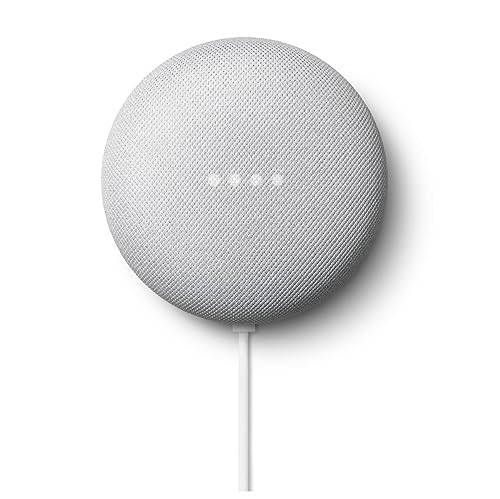
Google Nest Mini 2nd Generation Smart Speaker with Google Assistant – Chalk (Renewed)
VALUE BUNDLE INCLUDES: Google Nest Mini 2nd Generation Bluetooth Speaker with English, Spanish, French and Portuguese Global Language…
As an affiliate, we earn on qualifying purchases.
As an affiliate, we earn on qualifying purchases.
Detailed Comparison
Device Compatibility (Amazon Echo with Alexa wins — major)
Amazon Echo supports a broader range of smart home devices, including many third-party brands, making it more adaptable for complex setups. Google Nest supports many devices but tends to favor Google-compatible products, which could limit options for some users. The gap is major because device support directly impacts the user’s ability to integrate existing or future smart home products.
AI Learning & Personalization (Google Nest with Google Assistant wins — moderate)
Google Nest’s AI demonstrates more sophisticated learning capabilities, providing personalized responses and proactive suggestions based on user habits. Alexa’s AI is effective but less refined, offering good personalization but less natural interaction. The gap is moderate, meaning Google provides a noticeably smarter experience for users who value AI learning.
Privacy & Data Security (Google Nest with Google Assistant wins — moderate)
Google emphasizes stronger privacy controls, with options to limit data sharing and clearer privacy policies. Amazon’s ecosystem collects more user data to improve features, which might concern privacy-focused users. This difference is moderate; for those prioritizing data security, Google is preferable, but Amazon offers more customization options that may involve more data sharing.
Ease of Use & Setup (Amazon Echo with Alexa wins — minor)
Both devices are straightforward to set up via their respective apps. Amazon’s setup process is slightly more flexible for customization, while Google offers a quicker, more integrated experience with Google services. The gap is minor, with both options suitable for most users.
Smart Home Ecosystem Integration (Amazon Echo with Alexa wins — major)
Amazon’s ecosystem is more extensive, supporting numerous third-party brands and devices, whereas Google’s ecosystem is more tightly integrated with Google services and products like Chromecast and Nest cameras. Amazon wins here, especially if your smart home includes diverse brands.
Voice Recognition & Natural Language Processing (Google Nest with Google Assistant wins — moderate)
Google Assistant outperforms Alexa in understanding natural language and handling complex commands, providing more accurate and context-aware responses. Alexa is capable but less nuanced. The difference is moderate but noticeable in daily interactions.
Price & Value (Amazon Echo with Alexa wins — minor)
Amazon Echo devices tend to be more affordable with a wide range of options, offering good value for device compatibility and customization. Google Nest devices are slightly more expensive but include advanced AI features and better privacy controls. Value depends on whether you prioritize affordability or smarter AI and privacy protections.
Smart Home Device Range (Amazon Echo with Alexa wins — major)
Amazon supports a larger variety of smart home devices, making it suitable for complex or expanding setups. Google’s device support is good but slightly more limited, favoring Google-compatible products. Amazon wins decisively in this area.

Amazon Echo Hub (newest model), 8", Redesigned with customizable control and Alexa+, Compatible with thousands of devices
Echo Hub — An easy-to-use smart home control panel redesigned for your home. Arrange controls on your dashboard…
As an affiliate, we earn on qualifying purchases.
As an affiliate, we earn on qualifying purchases.
Amazon Echo with Alexa: Pros and Cons
Pros:
- Supports a wide range of smart devices and brands
- Highly customizable routines
- Affordable options for various budgets
- Extensive third-party integrations
Cons:
- Less advanced AI learning features
- More data collection, privacy concerns
- Slightly less natural language understanding
Amazon Echo Hub (newest model), 8", Redesigned with customizable control and Alexa+, Compatible with thousands of devices
Echo Hub — An easy-to-use smart home control panel redesigned for your home. Arrange controls on your dashboard…
As an affiliate, we earn on qualifying purchases.
As an affiliate, we earn on qualifying purchases.
Google Nest with Google Assistant: Pros and Cons
Pros:
- Superior AI learning and personalized responses
- Enhanced privacy controls
- More natural, context-aware voice interactions
- Good integration with Google services
Cons:
- Supports fewer smart devices than Amazon
- Generally higher-priced devices
- Less flexibility with third-party device support
Who Should Choose What
Choose Amazon Echo with Alexa if:
- You have a diverse or extensive smart home setup and want maximum device compatibility
- Budget-conscious shoppers seeking good value
- Prefer a customizable experience with broad device support
Choose Google Nest with Google Assistant if:
- Prioritize smarter AI interactions and natural conversations
- Value stronger privacy controls and data security
- Use mostly Google ecosystem products
Value for Money
Amazon Echo offers better value for users seeking extensive device compatibility and customization at a lower price point. Google Nest justifies its higher cost with smarter AI and privacy features, appealing to users willing to pay more for advanced interactions and data security.
Final Verdict
For most users wanting broad smart home support and affordability, the Amazon Echo remains the better choice. If your priority is natural language understanding, personalized AI, and privacy, investing in a Google Nest device makes sense despite the higher price. Your decision should hinge on whether device compatibility or AI sophistication is more critical to your smart home experience.
Frequently Asked Questions
Which smart home assistant supports more devices?
Amazon Echo supports a broader range of smart home devices and brands compared to Google Nest, making it more flexible for diverse setups.
Is Google Assistant truly smarter than Alexa?
Google Assistant generally offers more natural language understanding and context-aware responses, making interactions feel more natural.
Which device is better for privacy?
Google emphasizes stronger privacy controls with clearer options to limit data sharing, making it more suitable for privacy-conscious users.
Are Google devices more expensive?
Yes, Google Nest devices tend to be priced higher than comparable Amazon Echo models, reflecting their advanced AI features and privacy protections.
Should I choose Amazon if I want extensive device support?
Yes, Amazon’s ecosystem supports a wider array of smart devices, making it preferable if compatibility is your main concern.