The best smart home robots depend on whether you want automated cleaning, a mobile camera, or an interactive companion. I rank the Dreame L40 Ultra Gen 2 as the best overall cleaning pick for its wide-ranging vacuum-and-mop setup, while the Roborock Qrevo S Pro stands out for buyers prioritizing strong suction and an advanced dock. For pet check-ins rather than floor care, the Enabot EBO SE offers a different kind of home automation. The main tradeoffs are how much routine work a robot takes off your hands, how much maintenance its dock still needs, and whether its smart features fit your home. Read on for the full breakdown and guidance on choosing the right kind of robot.

Get home appliances delivered free with Prime
- Fast, free delivery on millions of items
- Prime Video, Amazon Music and more included
- Member-only deals all year
Complete the kit



Key Takeaways
- Cleaning robots dominate this lineup: most picks vacuum, mop, or handle both, while the Enabot, AIONIOS, Loona, and MASDROW focus on monitoring or interaction.
- The Dreame L40 Ultra Gen 2 is the strongest all-around cleaning choice because its vacuum-and-mop design suits buyers seeking broad floor-care automation rather than a single-task device.
- The Roborock Qrevo S Pro and Dreame L40 Ultra Gen 2 represent the more feature-led cleaning options; buyers should compare their dock routines and home needs, not suction figures alone.
- Self-emptying and wash docks reduce repeated chores but do not remove upkeep. Water tanks, dirty-water handling, mop care, and consumables still shape ownership.
- Companion robots solve different problems from vacuums. A mobile pet camera or interactive robot can add monitoring or engagement, but neither replaces a floor-cleaning robot.
| Enabot EBO SE Mobile Pet Camera Robot | 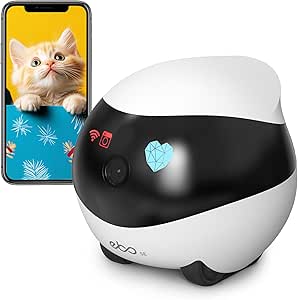 | Best for Mobile Pet Monitoring | Video resolution: 1080p | Field of view: 360 degrees | Connectivity: Wi-Fi | VIEW LATEST PRICE | See Our Full Breakdown |
| ROPVACNIC Robot Vacuum and Mop Combo, 5200 Pa |  | Best Value for Flexible Controls | Suction power: 5200 Pa | Recommended surfaces: Hardwood floors and low-pile carpets | Battery life: 120 minutes | VIEW LATEST PRICE | See Our Full Breakdown |
| AIONIOS ata05 4WD Home Robot Camera |  | Best for Mobile Security with Local Storage | Battery: 5200 mAh | Standby time: Up to 150 days | Continuous operation: Up to 12 hours | VIEW LATEST PRICE | See Our Full Breakdown |
| Dreame L40 Ultra Gen 2 Robot Vacuum and Mop |  | Best Premium Cleaning Automation | Suction power: 25,000 Pa | Battery capacity: 5,200 mAh | Runtime: Up to 231 minutes | VIEW LATEST PRICE | See Our Full Breakdown |
| VONKO S6Pro Robot Vacuum and Mop with Self-Emptying Station |  | Best for Multi-Floor Homes | Suction power: Up to 8000 Pa | Navigation: LiDAR 2.0 | Cleaning functions: Vacuuming and mopping | VIEW LATEST PRICE | See Our Full Breakdown |
| Wrydao S6-Pro Robot Vacuum and Mop with Self-Emptying Station |  | Best for Long Gaps Between Dust-Bag Changes | Suction power: Up to 6,000Pa | Dust bag capacity: 3L | Battery life: 160 minutes | VIEW LATEST PRICE | See Our Full Breakdown |
| Roborock Qrevo S Pro Robot Vacuum and Mop, 18,500 Pa |  | Best for Automated Mop Care | Suction power: 18,500Pa | Dust bag capacity: 2.7L | Battery life: 180 minutes | VIEW LATEST PRICE | See Our Full Breakdown |
| iRobot Roomba Plus 575X Combo Robot Vacuum and Mop with AutoWash Dock |  | Best for Pet-Hair Households | Robot type: Robot vacuum and mop | Dock: AutoWash Dock with debris emptying, water refilling, mop washing, and hot-air drying | Debris storage: Up to 3 months of hands-free cleaning | VIEW LATEST PRICE | See Our Full Breakdown |
| Roborock Q7 M5+ Robot Vacuum and Mop with Self-Emptying Dock |  | Best Value Mapping Pick | Maximum suction: 10,000Pa | Dust bag capacity: 2.7L | Battery life: 150 minutes | VIEW LATEST PRICE | See Our Full Breakdown |
| iRobot Roomba Plus 678 Robot Vacuum and Mop Combo with AutoWash Dock |  | Best for Stuck-On Floor Messes | Suction: Up to 30,000Pa | Pre-treatment spray pressure: 40,000Pa | Mop type: Self-cleaning PowerSpin roller mop | VIEW LATEST PRICE | See Our Full Breakdown |
| Loona Interactive AI Robot Pet with Voice and Gesture Control |  | Best for Interactive Play | Model: KYO04LN01 | Age recommendation: 6 years and up | Dimensions: 19 × 18 × 18 inches | VIEW LATEST PRICE | See Our Full Breakdown |
| Tikom G8000 Max Robot Vacuum and Mop Combo |  | Best Value for Slim, Simultaneous Cleaning | Suction power: 5000Pa | Dustbin capacity: 450 ml | Water tank capacity: 300 ml | VIEW LATEST PRICE | See Our Full Breakdown |
| Shark AV2501S AI Ultra Robot Vacuum with Matrix Clean and Self-Empty Base |  | Best for Pet Hair and Allergen Filtration | Navigation: Matrix Clean with 360° LiDAR mapping | Recommended surfaces: Carpets and hard floors | Dust base capacity: Up to 30 days of dirt and debris | VIEW LATEST PRICE | See Our Full Breakdown |
| MASDROW Yonbo X1 AI Robot Companion and Tutor |  | Best for Voice-Based Learning and Reminders | Camera: 5MP | Microphones: 4-microphone array | Processor: 64-bit quad-core | VIEW LATEST PRICE | See Our Full Breakdown |
| Azomabox Robot Vacuum and Mop with 8000 Pa Suction and Self-Emptying Station |  | Best for Multi-Room, Low-Maintenance Floor Care | Suction power: Up to 8000 Pa | Self-empty station capacity: 2.6 L | Claimed hands-free cleaning: Up to 70 days | VIEW LATEST PRICE | See Our Full Breakdown |
More Details on Our Top Picks
Enabot EBO SE Mobile Pet Camera Robot
The Enabot EBO SE is the clearest fit here for buyers who want a robot to check in on pets or family, rather than clean floors. Its wheeled design lets you move the 1080p camera around a room remotely, while night vision and two-way audio support check-ins after dark or a chance to talk to a pet. Compared with the AIONIOS ata05, it has a wider 360-degree field of view, but the AIONIOS offers local storage and more capable terrain handling. The EBO SE automatically returns to its dock when its power runs low, though the dock area needs to stay clear of mirrors and reflective objects for reliable recharging. Setup also depends on the ROLA app, and this indoor monitor does not replace a cleaning robot or a fixed security system.
Pros:- Mobile camera with a 360-degree field of view
- 1080p video and night vision for day and dark-room check-ins
- Two-way audio supports remote interaction with pets or family
- Automatically returns to its charging dock when power is low
Cons:- Setup requires the ROLA app
- Reflective objects near the dock can interfere with reliable recharging
- Indoor monitoring focus means it does not vacuum or mop
Best for: Pet owners who want to remotely look around indoor rooms and speak to pets while away from home
Not ideal for: Buyers seeking a floor-cleaning robot, outdoor monitoring, or local video storage
- Video resolution:1080p
- Field of view:360 degrees
- Connectivity:Wi-Fi
- Control:App control
- Audio:Two-way audio
- Night vision:Yes
- Auto-recharge:Yes
- Use:Indoor
- Dimensions:3.8 x 3.8 x 3.5 inches
Our verdict“Choose the EBO SE if you want a remotely steerable indoor pet camera, but pick a vacuum robot if floor care is the priority.”
ROPVACNIC Robot Vacuum and Mop Combo, 5200 Pa
The ROPVACNIC vacuum-and-mop combo suits households that want basic floor care with several ways to start a cleaning run. It handles hard floors and low-pile carpets, with four water-flow settings and three suction levels to adjust the routine to different surfaces. App, remote, touchpad, and voice controls make it more accessible than a robot that depends on app setup alone. Compared with the more feature-rich Dreame L40 Ultra Gen 2, the ROPVACNIC has simpler cleaning automation and lacks a self-cleaning dock; in return, its control options are straightforward and varied. Its brushless design and dual side brushes are intended to help gather pet hair, but the stated surface guidance rules out thicker carpets. The product details also do not specify noise levels or cleaning-performance results, so buyers seeking a clearly documented deep-cleaning setup may prefer another option.
Pros:- Vacuums and mops, with four water-flow settings
- App, remote, touchpad, and voice control offer flexible operation
- Automatic recharging reduces the need to return it to its dock manually
- Brushless design and dual side brushes are designed to collect pet hair
Cons:- Recommended for low-pile carpets rather than thicker carpet
- No self-emptying or self-cleaning mop dock is listed
- Noise levels and cleaning-performance details are not provided
Best for: Households with mostly hard flooring and low-pile rugs that want app, remote, and voice operation
Not ideal for: Homes with thick carpeting or buyers who want a mop-washing, self-emptying dock
- Suction power:5200 Pa
- Recommended surfaces:Hardwood floors and low-pile carpets
- Battery life:120 minutes
- Cleaning functions:Vacuuming and mopping
- Water adjustment:Four-stage
- Suction levels:3
- Control methods:App, remote, touchpad, and voice
- Voice compatibility:Amazon Echo and Google Home
- Filter:Multi-layer high-efficiency filtration
Our verdict“Pick the ROPVACNIC for adaptable controls and routine hard-floor care, but choose the Dreame L40 Ultra Gen 2 for a more automated dock.”
AIONIOS ata05 4WD Home Robot Camera
The AIONIOS ata05 is a mobile indoor camera for buyers who care about room-to-room coverage and keeping recordings locally. Its 4WD system can handle slopes up to 25 degrees and clear obstacles up to 3 cm, giving it more mobility across uneven thresholds than the Enabot EBO SE. The 1080p HDR video, color night vision, and two-way audio support monitoring and conversation, while built-in 8 GB storage and microSD expansion avoid a required cloud subscription. That local-storage approach is a meaningful distinction from a basic app-connected monitor. The tradeoff is a narrower 95-degree field of view than the EBO SE’s 360 degrees, so it may need repositioning to cover a room. It is indoor-only, and continuous operation is listed at up to 12 hours despite the much longer standby figure.
Pros:- 1080p HDR video with color night vision
- Built-in storage with microSD expansion and no cloud subscription required
- 4WD navigation handles slopes up to 25 degrees and obstacles up to 3 cm
- Two-way audio and simultaneous access for multiple family members
Cons:- Indoor use only
- Continuous operation is listed at up to 12 hours
- Its 95-degree field of view is narrower than the Enabot EBO SE’s 360-degree view
Best for: Households wanting a mobile indoor security camera with local recording and the ability to cross small obstacles
Not ideal for: Buyers who need outdoor monitoring, a panoramic view without repositioning, or uninterrupted long-term operation
- Battery:5200 mAh
- Standby time:Up to 150 days
- Continuous operation:Up to 12 hours
- Drive system:4WD
- Maximum slope:25 degrees
- Obstacle clearance:3 cm
- Video resolution:1080p HDR
- Field of view:95 degrees
- Storage:8 GB built-in; supports microSD up to 128 GB
Our verdict“Choose the ata05 for mobile indoor monitoring with local storage, but favor the EBO SE if a wider camera view matters more than terrain handling.”
Dreame L40 Ultra Gen 2 Robot Vacuum and Mop
The Dreame L40 Ultra Gen 2 is the most automation-focused cleaning pick in this group. Its 25,000 Pa suction, five suction levels, and extendable brush and mop are aimed at thorough floor coverage, including corners and areas under furniture. The dock washes and hot-air dries the mop, reducing hands-on cleanup compared with the ROPVACNIC, which does not list a self-cleaning dock. Mapping and obstacle avoidance help it work through a home, and the listed runtime of up to 231 minutes supports longer cleaning sessions. This level of dock support and reach makes the Dreame a stronger fit for buyers who want a more self-sufficient routine than the VONKO S6Pro’s self-emptying setup. There are limits: automatic cleaning-solution filling needs a separate module, and Wi-Fi is restricted to 2.4 GHz and USA use.
Pros:- 25,000 Pa suction with five adjustable levels
- Extendable brush and mop help reach corners and under furniture
- Dock washes and hot-air dries the mop
- Up to 231 minutes of runtime with mapping and obstacle avoidance
Cons:- Automatic cleaning-solution filling requires a separately purchased module
- Wi-Fi support is limited to 2.4 GHz and USA use
- More dock automation may be unnecessary for buyers seeking a simpler cleaning robot
Best for: Buyers seeking a highly automated vacuum-and-mop routine with mop washing, drying, and extended reach
Not ideal for: Households needing 5 GHz Wi-Fi support, use outside the USA, or automatic cleaning-solution filling without an added module
- Suction power:25,000 Pa
- Battery capacity:5,200 mAh
- Runtime:Up to 231 minutes
- Cleaning area:Up to 1,679 ft² in Quiet Mode
- Suction levels:5
- Mop lifting:0.41 inches (10.5 mm)
- Dock functions:Auto-emptying, mop washing, and hot-air drying
- Controls:App, remote control, and voice control
- Wi-Fi:2.4 GHz; USA use only
Our verdict“Choose the Dreame if dock-based mop care and extended cleaning reach matter more than a simpler, lower-automation setup.”
VONKO S6Pro Robot Vacuum and Mop with Self-Emptying Station
The VONKO S6Pro stands out for homes where one map is not enough: its LiDAR 2.0 navigation supports up to five floor maps, alongside no-go zones for keeping the robot away from selected areas. The 2.5-liter self-emptying station is designed to reduce frequent bin emptying, while up to 180 minutes of runtime supports longer runs than the ROPVACNIC’s listed 120 minutes. It vacuums and mops, with up to 8000 Pa suction, but mopping is intended for hard floors rather than carpets. Compared with the Dreame L40 Ultra Gen 2, the VONKO emphasizes multi-floor mapping and self-emptying rather than a dock that washes and dries its mop. Its claimed hands-free interval of up to 60 days is an estimate, not a guaranteed schedule, so cleaning frequency and household debris will affect how often the station needs attention.
Pros:- LiDAR 2.0 mapping supports up to five floors and no-go zones
- 2.5-liter self-emptying station reduces routine bin handling
- Up to 180 minutes of runtime
- Combines vacuuming and hard-floor mopping with up to 8000 Pa suction
Cons:- Mopping is intended for hard floors, not carpets
- The stated hands-free period of up to 60 days is an estimate
- Does not list mop washing or drying at the dock, unlike the Dreame L40 Ultra Gen 2
Best for: Owners of multi-story homes who want saved maps for several floors and a self-emptying vacuum-and-mop robot
Not ideal for: Buyers who need the mop to clean carpets or want a dock that also washes and dries mop pads
- Suction power:Up to 8000 Pa
- Navigation:LiDAR 2.0
- Cleaning functions:Vacuuming and mopping
- Self-emptying capacity:2.5 liters
- Runtime:Up to 180 minutes
- Mapping:Up to 5 floors
- Control:App and voice
- Surface recommendations:Hard floors and carpets
Our verdict“Choose the S6Pro for multi-floor mapping and self-emptying, but pick the Dreame if automated mop washing and drying matter more.”
Wrydao S6-Pro Robot Vacuum and Mop with Self-Emptying Station
The Wrydao S6-Pro suits buyers who want room-by-room control without frequent dust-bag changes. Its LiDAR mapping lets you select rooms and set no-go zones, while the 3L bag is rated for up to 90 days between changes. That gives it a maintenance advantage over the Roborock Q7 M5+, whose 2.7L bag is specified for up to 7–9 weeks. The S6-Pro also vacuums and mops, with adjustable water flow and automatic carpet boost to tailor cleaning across mixed floors.
The tradeoff is that its suction is rated up to 6,000Pa, below the Q7 M5+’s 10,000Pa, and the Wrydao is described as suitable for low-pile rather than higher-pile carpet. App features require 2.4GHz Wi-Fi. I’d choose it for simpler floor plans and fewer bag changes, not deep carpet cleaning.
Pros:- 3L dust bag is rated for up to 90 days between changes.
- LiDAR mapping supports room selection and no-go zones.
- Vacuum-and-mop setup includes adjustable water flow and automatic carpet boost.
- App and Alexa controls provide flexible scheduling and operation.
Cons:- Up to 6,000Pa suction is lower than the Roborock Q7 M5+’s 10,000Pa rating.
- The product is described as unsuitable for higher-pile carpet.
- App features require 2.4GHz Wi-Fi.
Best for: Households with mostly hard floors and low-pile rugs that want room selection, no-go zones, and fewer dust-bag changes.
Not ideal for: Homes with high-pile carpet or buyers whose Wi-Fi network does not support 2.4GHz.
- Suction power:Up to 6,000Pa
- Dust bag capacity:3L
- Battery life:160 minutes
- Navigation:LiDAR smart mapping
- Controls:App and Alexa voice control
- Wi-Fi requirement:2.4GHz
- Dimensions:12.34 x 3.86 x 12.34 inches
- Warranty:2 years
Our verdict“Choose the Wrydao S6-Pro for mapped cleaning and long intervals between bag changes in a mostly hard-floor home.”
Roborock Qrevo S Pro Robot Vacuum and Mop, 18,500 Pa
The Roborock Qrevo S Pro is the strongest fit here for buyers who want the dock to handle much of the mop upkeep. It empties dust, washes the dual spinning mop pads, dries them with warm air, and supports water self-refilling. Compared with the iRobot Roomba Plus 575X, which also washes and dries mop pads, the Qrevo lists 18,500Pa suction and a 180-minute battery life, making it a compelling choice for larger mixed-floor routines.
Its 10mm mop lift helps reduce wet contact with carpets, but it is not a substitute for a robot that leaves rugs entirely untouched. The dock and robot also add complexity, and the only listed Wi-Fi band is 2.4GHz. The source gives two different noise figures—55dB in the description and 60dB in the specifications—so I would not use noise as a deciding advantage. This is a maintenance-focused pick, not the simplest setup.
Pros:- Dock automates dust emptying, mop washing, mop drying, and water refilling.
- 18,500Pa suction and 180-minute battery life suit demanding or longer cleaning runs.
- Dual liftable spinning mops and 10mm lift support mixed-floor cleaning.
- LiDAR navigation, obstacle avoidance, and multi-floor mapping support customized routines.
Cons:- Connectivity is limited to 2.4GHz Wi-Fi.
- The listed noise figures conflict: 55dB in the description and 60dB in the specifications.
- The automated dock adds equipment and ongoing maintenance compared with simpler self-emptying models.
Best for: Buyers with a mix of hard floors and carpet who want a dock to empty dust, wash and dry mop pads, and refill water.
Not ideal for: Shoppers seeking a simple vacuum-mop with minimal dock upkeep or those who need 5GHz-only Wi-Fi support.
- Suction power:18,500Pa
- Dust bag capacity:2.7L
- Battery life:180 minutes
- Mop lift:10mm
- Mop washing temperature:167°F
- Mop drying:113°F warm air
- Clearance height:3.8 inches
- Connectivity:2.4GHz Wi-Fi only
Our verdict“Pick the Qrevo S Pro if automated mop washing and drying matter more than a simpler, less involved dock.”
iRobot Roomba Plus 575X Combo Robot Vacuum and Mop with AutoWash Dock
The Roomba Plus 575X earns its place for households that want vacuuming and regular mop-pad care in one system, with specific attention to pet hair. Its tangle-resistant brushes are designed to reduce hair wrap, while the AutoWash Dock empties debris, refills water, and washes and dries the pads. Compared with the Roborock Qrevo S Pro, which also automates mop washing and drying, the 575X adds stated obstacle detection and threshold climbing—useful when cords, shoes, or small changes in floor height complicate scheduled cleaning.
Carpet sensing lifts the mop pads 10mm, but that lift does not make it a dedicated carpet cleaner. The product description also omits battery life and robot dimensions, so it is harder to judge coverage and fit under furniture. Its dock still needs periodic attention for water and debris. I’d favor it for pet hair and mixed floors over buyers who need detailed runtime data.
Pros:- Tangle-resistant brushes are designed to reduce pet-hair buildup.
- AutoWash Dock empties debris, refills water, and washes and dries mop pads.
- Carpet sensing lifts mop pads 10mm to help protect rugs from damp cleaning.
- Obstacle detection and threshold climbing support less supervised cleaning.
Cons:- Battery life and robot dimensions are not provided in the product data.
- The 10mm mop lift may not suit every rug or carpet setup.
- The dock still needs periodic water and debris maintenance.
Best for: Pet owners who want one robot to vacuum, mop, handle common floor obstacles, and reduce hair tangles.
Not ideal for: Buyers who need published battery-life and robot-size details before checking whether the robot suits their home.
- Robot type:Robot vacuum and mop
- Dock:AutoWash Dock with debris emptying, water refilling, mop washing, and hot-air drying
- Debris storage:Up to 3 months of hands-free cleaning
- Water refill duration:Up to 40 days of mopping
- Mop washing temperature:167°F
- Mop drying temperature:113°F
- Threshold clearance:Up to 35mm
- Navigation:ClearView Pro LiDAR and PrecisionVision AI obstacle detection
Our verdict“Choose the Roomba Plus 575X if pet-hair handling and automated mop-pad care matter more than having published runtime and size details.”
Roborock Q7 M5+ Robot Vacuum and Mop with Self-Emptying Dock
The Roborock Q7 M5+ puts its emphasis on mapped cleaning and capable suction without the mop-washing dock complexity of the Roborock Qrevo S Pro. Its 10,000Pa suction, PreciSense LiDAR, and app control make it a practical choice for homes that want orderly room coverage, while the 2.7L bag is specified to last up to 7–9 weeks between emptying. Anti-tangle brushes may also cut down on hair cleanup, and three water-flow settings let owners adjust mopping for different floor needs.
The tradeoff is a more basic mopping setup: unlike the Qrevo S Pro, the Q7 M5+ does not list automatic mop washing, drying, or water refilling. Its battery life is 150 minutes, shorter than the Qrevo’s 180 minutes, and app connectivity is limited to 2.4GHz Wi-Fi. I’d pick this model for dependable mapping and reduced dust-bin chores, not for hands-off mop maintenance.
Pros:- 10,000Pa maximum suction is suited to dirt, debris, and pet hair.
- PreciSense LiDAR supports mapped, efficient cleaning paths.
- 2.7L self-emptying bag is specified for up to 7–9 weeks between changes.
- Anti-tangle brushes and three water-flow settings offer useful routine controls.
Cons:- Mopping has three water-flow settings but no listed automatic pad washing or drying.
- 150-minute battery life is shorter than the Roborock Qrevo S Pro’s 180 minutes.
- App connectivity supports 2.4GHz Wi-Fi.
Best for: Buyers who want LiDAR room mapping, strong vacuuming, and a self-emptying dock but do not need automated mop washing.
Not ideal for: Households seeking a dock that washes and dries mop pads or buyers whose router lacks 2.4GHz Wi-Fi.
- Maximum suction:10,000Pa
- Dust bag capacity:2.7L
- Battery life:150 minutes
- Navigation:PreciSense LiDAR
- Water-flow settings:3
- Cleaning time between emptying:Up to 7–9 weeks
- Cleaning path width:12.8 inches
- Connectivity:App or voice control; 2.4GHz Wi-Fi supported
Our verdict“Choose the Q7 M5+ for strong mapped vacuuming and longer intervals between dust-bag changes without paying for a mop-care dock.”
iRobot Roomba Plus 678 Robot Vacuum and Mop Combo with AutoWash Dock
The Roomba Plus 678 is the specialist in this group for buyers who want more than a damp pad dragged across the floor. Its PowerSpin roller mop pairs with a pre-treatment spray and stated 15N mop pressure to target stuck-on messes. The AutoWash dock heats water to 176°F to clean the roller, dries it at 131°F, and empties debris into a bag rated for up to 90 days. Compared with the Roomba Plus 575X, which uses scrubbing mop pads, the 678’s roller-and-spray setup is the more distinct choice for persistent floor spills.
ClearView Pro Dual-Line LiDAR and PrecisionVision AI support room navigation and obstacle detection, while the mop lifts 10mm on detected carpet. Still, its product data gives no battery life or cleaning time, and the dock needs clean water, dirty-water, and bag attention. The tall 9.95cm profile may also limit access under low furniture. I’d choose it for mopping capability, not for buyers who need known runtime.
Pros:- PowerSpin roller mop combines 15N pressure with pre-treatment spray for stuck-on messes.
- Dock heats, washes, and dries the roller, and self-empties debris for up to 90 days.
- LiDAR and AI obstacle detection support room navigation and obstacle handling.
- Mop lifts 10mm on detected carpet, and edge cleaning extends 45mm.
Cons:- Battery life and cleaning time are not provided.
- The dock requires clean-water, dirty-water, and debris-bag maintenance.
- At 9.95cm tall, it may not fit beneath lower furniture.
Best for: Homes with hard floors and frequent dried or stuck-on messes that can benefit from a roller mop and targeted pre-treatment.
Not ideal for: Buyers who need published battery life or have low-clearance furniture the 9.95cm robot may not fit beneath.
- Suction:Up to 30,000Pa
- Pre-treatment spray pressure:40,000Pa
- Mop type:Self-cleaning PowerSpin roller mop
- Mop pressure:15N
- Dock wash temperature:176°F
- Dock drying temperature:131°F
- Debris bag duration:Up to 90 days
- Robot height:9.95cm
- Threshold clearance:Up to 3.5cm
Our verdict“Pick the Roomba Plus 678 if roller mopping and targeted treatment for stuck-on messes matter more than known battery runtime.”
Loona Interactive AI Robot Pet with Voice and Gesture Control
Among these picks, Loona is the most pet-like companion: its camera and depth sensor let it recognize faces and gestures, follow people, and respond to voice commands. Games and object play give it a role beyond scheduled cleaning, while home monitoring adds a practical use when nobody is playing with it. Compared with the MASDROW Yonbo X1, Loona centers on movement and play rather than tutoring, translation, and reminders, so it suits households seeking an engaging robot pet more than a mobile assistant. The tradeoff is that its interaction depends on conditions: the sensors work best in good light, and voice control is less dependable in noisy rooms or with unclear speech. Its dock also needs a clear spot, and charging takes about 2.5 hours.
Pros:- Recognizes faces and gestures and can follow people
- Offers voice interaction, games, and object play
- Includes a home-monitoring feature
- Returns to its charging dock automatically
Cons:- Camera and depth sensing work best in well-lit spaces
- Voice commands are less reliable in noisy rooms or when speech is unclear
- The dock needs an open, unobstructed location
Best for: Families with children aged six and up who want a mobile robot pet for games, voice interaction, and casual home monitoring
Not ideal for: Buyers seeking a robot that handles routine household chores, or homes without a well-lit area and clear space for the charging dock
- Model:KYO04LN01
- Age recommendation:6 years and up
- Dimensions:19 × 18 × 18 inches
- Weight:1.1 kg
- Connectivity:Wi-Fi and mobile hotspot
- Charging time:About 2.5 hours
- Included components:Charging dock, Type-C USB cable, game prop kit, robot, user manual, guidebook, and warranty card
- Warranty:1 year against manufacturer defects
Our verdict“Choose Loona for playful, mobile interaction at home; skip it if you want a robot focused on cleaning or dependable performance in dim, noisy spaces.”
Tikom G8000 Max Robot Vacuum and Mop Combo
The Tikom G8000 Max earns its place as a straightforward floor-care pick: it vacuums and mops in the same run, and its 2.99-inch height can help it reach under furniture that taller robots may miss. With app, remote, voice, and button controls, households can choose a simple control method instead of relying on a single app. Against the Azomabox Robot Vacuum and Mop, the Tikom is the slimmer, simpler option, while Azomabox adds LiDAR mapping, saved maps, and a self-emptying station for less routine handling. The Tikom’s 5000Pa suction and multiple modes cover everyday hard-floor and short- or medium-pile carpet needs, but its 150-minute maximum applies in quiet mode. Its onboard dustbin and water tank also mean more frequent emptying and refilling than a self-emptying model.
Pros:- Vacuums and mops simultaneously
- Slim profile can reach beneath some low furniture
- Offers app, remote, voice, and button controls
- Includes anti-collision and anti-fall sensors
Cons:- The up-to-150-minute runtime is specified for quiet mode
- Carpet guidance is limited to short- and medium-pile surfaces
- Small onboard tanks require routine emptying and refilling
Best for: Households with hard floors, some short- or medium-pile rugs, and low-clearance furniture that want vacuuming and mopping in one pass
Not ideal for: Buyers with mostly thick-pile carpet or anyone prioritizing mapped room-by-room cleaning and less frequent debris disposal
- Suction power:5000Pa
- Dustbin capacity:450 ml
- Water tank capacity:300 ml
- Battery life:Up to 150 minutes
- Height:2.99 inches
- Noise level:45 dB
- Control methods:App, remote, voice, and button
- Cleaning modes:Spot, edge, zig-zag, and manual
- Recommended surfaces:Hard floors, carpets, and rugs
Our verdict“Pick the Tikom for slim, combined floor cleaning with flexible controls, but choose a mapped self-emptying model like Azomabox if reduced maintenance matters more.”
Shark AV2501S AI Ultra Robot Vacuum with Matrix Clean and Self-Empty Base
The Shark AV2501S focuses on thorough vacuuming with less frequent bin emptying. Matrix Clean sends the robot over areas in multiple passes, while 360° LiDAR mapping supports navigation across carpets and hard floors. Its self-cleaning brushroll is designed to reduce hair wrap, and the HEPA base captures dust and allergens as it empties. Compared with the Tikom G8000 Max, this Shark is the stronger fit for buyers who value mapped vacuuming, allergen filtration, and a self-emptying base over simultaneous mopping. It does not mop, and its listed onboard collection capacity is just 0.09 liters, making the base central to its low-maintenance appeal. Runtime is up to 120 minutes, so larger homes may need a recharge; recharge and resume helps it continue afterward.
Pros:- Matrix Clean uses multiple passes for area coverage
- Self-emptying base holds up to 30 days of debris, according to the product description
- HEPA filtration captures 99.97% of dust and allergens down to 0.3 microns
- Self-cleaning brushroll is designed to reduce hair wrap
Cons:- Does not provide mopping
- Up to 120 minutes of runtime may not cover larger homes in one run
- The listed onboard collection capacity is 0.09 liters
Best for: Pet owners and allergy-conscious households that want mapped vacuuming, hair-wrap management, and less frequent dust disposal
Not ideal for: Buyers who need a robot mop, or owners of large homes who want a long cleaning run without a recharge
- Navigation:Matrix Clean with 360° LiDAR mapping
- Recommended surfaces:Carpets and hard floors
- Dust base capacity:Up to 30 days of dirt and debris
- Filtration:HEPA; captures 99.97% of dust and allergens down to 0.3 microns
- Runtime:Up to 120 minutes
- Brushroll:Self-cleaning with anti-hair wrap
- Control:App, Amazon Alexa, and Google Home
- Included:Robot vacuum, HEPA self-empty base, and 2 side brushes
Our verdict“Choose the Shark for mapped, self-emptying vacuuming and HEPA filtration; choose the Tikom instead if mopping is a must.”
MASDROW Yonbo X1 AI Robot Companion and Tutor
The Yonbo X1 is aimed at buyers who want a mobile conversation partner, not a cleaning machine. Its ChatGPT-powered conversation, tutoring, translation, and reminders give it a broader assistant role than the play-focused Loona, while parental controls and scheduled sleep mode make it more suitable for a child’s routine. A 5MP camera and four-microphone array support interaction, and the stated voice pickup range is up to 3 meters. The tradeoff is that its battery is listed for up to 3.5 hours, which limits continuous use between charges. Its AI and emotional-support claims are not independently verified, so I would treat it as a supplementary companion or learning aid rather than a substitute for a human tutor or support. The claimed lack of subscription fees may appeal to families, but buyers should check the product’s current service terms.
Pros:- Combines conversation, translation, tutoring, and reminders
- Includes parental controls and scheduled sleep mode
- Mobile design includes a 5MP camera and four-microphone array
- The listing claims no subscription fees
Cons:- Listed battery life is up to 3.5 hours
- AI and emotional-support claims are not independently verified
- Should not be treated as a replacement for a human tutor or support
Best for: Families seeking a mobile voice assistant for language practice, homework hints, reminders, and parent-managed use
Not ideal for: Buyers who want a household-cleaning robot, long uninterrupted operation, or verified emotional-support capabilities
- Camera:5MP
- Microphones:4-microphone array
- Processor:64-bit quad-core
- Voice pickup range:Up to 3 meters
- Maximum speed:1.5 m/s
- Battery capacity:5000mAh
- Battery life:Up to 3.5 hours
- Charging:65W fast charging; claimed full charge in 1 hour
- Features:ChatGPT-powered conversation, multilingual translation, parental controls, reminders, and OTA updates
Our verdict“Choose Yonbo X1 for supervised conversation and learning features, not for cleaning or prolonged use without recharging.”
Azomabox Robot Vacuum and Mop with 8000 Pa Suction and Self-Emptying Station
The Azomabox combines mapped cleaning and a large self-emptying station for households that want less frequent intervention. LiDAR 2.0 supports up to five saved maps, room selection, and virtual walls, making it a more configurable option than the Tikom G8000 Max, whose slimmer body and multiple controls suit simpler cleaning routines. The Azomabox also vacuums and mops in one run, with up to 8000Pa suction and an anti-tangle brush intended to help manage pet hair. Its 2.6 L station is claimed to support up to 70 days of hands-free cleaning, though actual intervals will vary with debris and use. The tradeoffs are a 270 ml water tank and a mop designed for sealed hard floors, not carpets. At 62 dB, it is also louder than the Tikom’s listed 45 dB.
Pros:- 2.6 L self-emptying station reduces routine debris disposal
- LiDAR mapping supports up to five saved maps and customizable zones
- Can vacuum and mop simultaneously
- Anti-tangle brush is designed to help manage pet hair
Cons:- Mopping is limited to sealed hard floors
- The up-to-70-day hands-free claim will vary with use
- Listed 62 dB noise level is higher than the Tikom G8000 Max’s 45 dB
Best for: Multi-floor households with pets that want room-specific vacuuming, simultaneous mopping, and fewer dustbin-emptying chores
Not ideal for: Buyers who need carpet mopping, a quiet robot, or a hands-free period they can count on regardless of household use
- Suction power:Up to 8000 Pa
- Self-empty station capacity:2.6 L
- Claimed hands-free cleaning:Up to 70 days
- Runtime:180 minutes
- Navigation:LiDAR 2.0
- Saved maps:Up to 5
- Water tank capacity:270 ml
- Noise level:62 dB
- Controls:App, Alexa, Google Assistant, voice, and buttons
Our verdict“Choose Azomabox for mapped, multi-floor cleaning and reduced dustbin handling, but look elsewhere if quiet operation or carpet mopping is a priority.”
How We Picked
I grouped the 15 products by the job they are built to do: floor cleaning, mobile home monitoring, or interactive companionship. For cleaning models, I weighed the vacuum-and-mop setup, suction claims in context, dock functions, likely routine maintenance, and how clearly the feature set fits different households. For companion and camera robots, I focused on their stated interaction or monitoring purpose, controls, and whether they offer a distinct use beyond cleaning.
The ranking favors breadth of practical home use, useful automation, and a clear fit for a buyer type—not the largest specification on its own. That puts the Dreame L40 Ultra Gen 2 first as a versatile cleaning pick, with the Roborock Qrevo S Pro close behind for buyers drawn to a high-suction, dock-based system. More specialized and less fully documented options rank lower because their appeal depends on a narrower need or requires closer checking of features, compatibility, and support before purchase.
Factors to Consider When Choosing Best Smart Home Robots
Before choosing, decide which household task you actually want a robot to handle. Cleaning automation, remote pet check-ins, and interactive companionship are separate categories, even when all are marketed as smart home robots. These broader checks can help prevent paying for features that do not solve your problem.
Start With the Job, Not the Robot Category
Write down the recurring task you want to reduce: collecting pet-hair dust, mopping kitchen floors, checking on a pet, or providing interactive play. A vacuum-and-mop robot cannot replace a mobile camera for remote check-ins, and a companion robot is not a cleaning appliance. If you have more than one goal, decide which one causes the most work and choose for that first. Buying one device in the hope it will cover unrelated tasks often leads to disappointment. In this lineup, the cleaning models form the largest group, while the EBO SE, AIONIOS, Loona, and MASDROW serve distinct monitoring or interaction roles.
Match Floor Care to Your Home Layout
Floor type, room transitions, rugs, cables, and chair legs can matter more in daily use than a headline suction number. Homes with mixed flooring should check how a model handles both vacuuming and mopping, including whether the mop can be managed around rugs. Narrow gaps and cluttered rooms may limit where a robot can travel or clean effectively. Consider where the dock can sit, whether it has access to power, and whether its footprint fits your available space. A feature-rich model makes little sense if the floor plan forces frequent rescues or prevents convenient docking.
Treat Dock Automation as Reduced Work, Not No Work
Self-emptying and mop-washing docks can cut down on repeated hands-on tasks, but they add components that need attention. You may still need to empty or refill tanks, clean the dock, replace bags or filters, and maintain mop pads. Before buying, check what the station automates and what remains manual rather than assuming every dock offers the same routine. A simpler robot can be a better fit if you prefer fewer parts to maintain or have little room for a large base. Choose a more elaborate dock when the time saved matches the upkeep and space it demands.
Compare Cleaning Claims in Context
Suction figures can help distinguish models, but they do not describe every part of cleaning performance. Brush design, navigation, floor coverage, mop handling, and how a robot works around obstacles all affect the result. A higher stated suction figure does not automatically make a model the right pick for every home. Think about your main mess: fine dust, tracked-in debris, pet hair, or sticky kitchen marks. Then compare the full cleaning system and dock features instead of choosing by one number.
Check App, Network, and Privacy Needs
Connected features are useful only if they work with your home network and the way you want to control the device. Before purchasing, check the manufacturer’s app requirements, supported voice-control options, and any account or connectivity requirements. For robots with cameras or microphones, review privacy settings and where recordings or data are handled. A model that depends on an app may be a poor fit if you want simple controls or have unreliable Wi-Fi. These checks matter especially for mobile cameras and interactive companions, where remote access and voice features may be central to the appeal.
Budget for Ownership, Space, and Support
The purchase decision extends beyond the robot itself: dock space, replacement parts, cleaning supplies, and access to support all affect long-term convenience. Check whether bags, filters, brushes, mop pads, and batteries are available for the specific model. A compact or less automated option may fit a small apartment better than a large station, even if it involves more frequent manual care. For less familiar brands, verify warranty terms and customer support channels before relying on the robot for a daily task. Paying more makes sense when the extra automation or capability solves a real problem in your household.
Frequently Asked Questions
Should I buy a vacuum-and-mop robot or a dedicated pet camera robot?
Choose based on the task you need handled when you are away. A vacuum-and-mop model is designed to work on floors, while the Enabot EBO SE is a mobile pet camera focused on remote check-ins. Neither device replaces the other, so buying one for the other’s job can leave your main need unmet. If both chores matter, prioritize the one you want automated most often and treat the second device as a separate purchase. Also check camera privacy and remote-control requirements before choosing a monitoring robot.
Is a self-emptying or wash dock worth the added complexity?
A dock is most useful when reducing frequent hands-on cleaning tasks is a high priority. Self-emptying can reduce how often you handle collected debris, while a wash-capable station can take on some mop care; exact functions vary by model. Neither type removes all maintenance, and larger stations need space and regular attention. If you rarely run the robot or have limited room, a simpler setup may be easier to live with. Compare the remaining chores after automation, not just the dock’s headline capabilities.
Does the highest suction figure mean a robot will clean my home best?
No single suction figure captures how well a robot handles every floor and type of debris. Brush design, navigation, room layout, obstacle handling, and mop performance also affect the result. A high-suction model such as the Roborock Qrevo S Pro may appeal to buyers who prioritize that specification, but it should still be compared with the full cleaning system and dock. If your home has rugs, clutter, or mixed flooring, check how the robot’s other features suit those conditions. Use suction as one comparison point rather than the sole reason to buy.
Can an interactive companion robot replace a pet camera or a cleaning robot?
Not by default: interactive companions, camera robots, and floor cleaners are built around different purposes. Loona and MASDROW are aimed at interaction or companionship, while the Enabot EBO SE is oriented toward mobile camera monitoring. Cleaning models focus on floor care instead. Voice, gesture, or AI features do not automatically mean a device can provide reliable remote monitoring or clean floors. Before buying, check the specific functions you need and avoid treating these product categories as interchangeable.
What should I verify before choosing a lesser-known robot brand?
Check the product’s exact model name, included dock or accessories, app requirements, warranty, and support contact options. Confirm that replacement filters, brushes, mop pads, bags, or batteries are available for that model rather than assuming parts from a similar product will fit. Read the feature details closely, since similar names do not guarantee the same capabilities. For connected robots, review privacy and network requirements as well. These checks can matter more for long-term ownership than a headline specification.
Conclusion
For most buyers seeking an automated floor-care centerpiece, I recommend the Dreame L40 Ultra Gen 2 as the best overall pick. The Roborock Q7 M5+ is a sensible value-oriented choice for shoppers who want a self-emptying cleaning setup without making a wash dock the main priority, while the Roborock Qrevo S Pro is my premium-leaning option for buyers drawn to high suction and a more feature-led dock system. Beginners should start with the robot whose controls, dock routine, and maintenance demands feel easiest to manage, rather than choosing by the longest feature list. For specific needs, choose the Enabot EBO SE for pet check-ins or Loona and MASDROW Yonbo X1 for interactive companionship; pick a cleaning robot only when floor care is the goal. The right choice is the one that automates the task you actually want off your list.