If your Dyson V15 Detect™ Origin Cordless Vacuum is losing suction, it can hinder your cleaning efficiency. This guide provides practical, step-by-step instructions to identify and fix common causes of suction loss, ensuring your vacuum performs like new.
Always remember to handle your vacuum safely, disconnect it from power before troubleshooting, and replace parts carefully to avoid damage.
Key Takeaways
| Check for blockages | Clear clogs in the wand, hose, and cleaner head. |
| Inspect filters | Clean or replace filters to restore suction. |
| Examine the bin | Empty the bin if it’s full or blocked. |
| Ensure proper attachment fit | Confirm all parts are securely connected. |
| Assess the motor and seals | Look for damage or wear that may affect suction. |

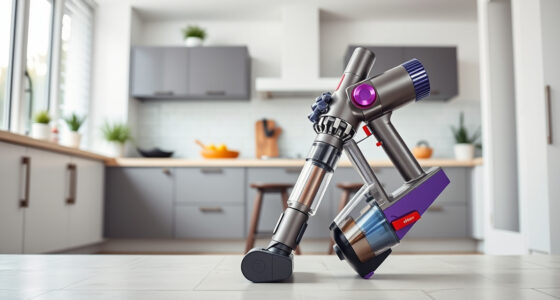
Dyson V15 Detect™ Origin Cordless Vacuum
- Deep cleaning with intelligent dust detection: Reveals invisible dust for thorough cleaning
- Enhanced power and runtime: 100% more power, 60-minute battery life
- Energy-efficient power trigger: Uses power only when needed
As an affiliate, we earn on qualifying purchases.
Step 1: Power Off and Disconnect
- Turn off your Dyson vacuum and unplug it from any charging station or power source.
- Remove the battery if possible, for added safety during inspection.
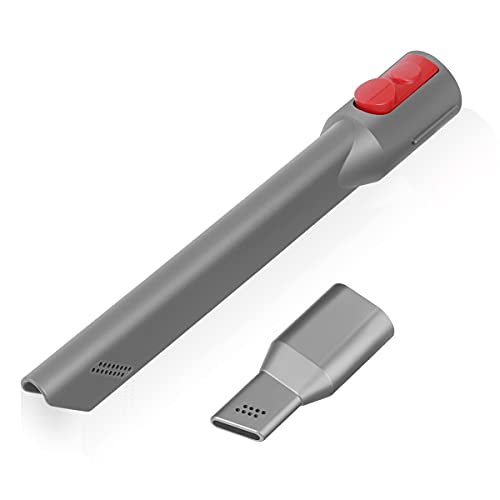
LANMU Crevice Tool Vacuum Attachments Compatible with Dyson V15 V12 V11 V10 V9 V8 V7 Gen5 Outsize Vacuum Cleaner, Narrow Nozzel Replacement Parts for Hard-to-Reach Space
- Wide Compatibility: Compatible with various Dyson models
- Slim and Flexible Design: Narrow nozzle for tight spaces
- Versatile Applications: Ideal for furniture, car, and appliance cleaning
As an affiliate, we earn on qualifying purchases.
Step 2: Check for Blockages
- Inspect the wand, hose, and cleaner head for obstructions or debris.
- Remove and clear any visible clogs or tangled hair.
- Use a long, flexible tool if needed to dislodge hidden blockages.
Step 3: Clean or Replace Filters
- Remove the pre-filters and main filters as per your model’s instructions.
- Rinse the filters with water and let them air dry completely before reinstalling.
- If filters are damaged or excessively dirty, replace them with compatible replacements.
Step 4: Empty the Bin
Check if the dust bin is full. Empty it thoroughly to ensure proper airflow.
Inspect for any blockages in the bin or its seals, and clean if necessary.
Step 5: Verify Attachments and Seals
- Ensure all attachments, including the cleaner head and crevice tool, are securely connected.
- Check the seals and gaskets for damage or debris that could impede suction.
The Products in This Guide

Dyson V15 Detect™ Origin Cordless Vacuum
- ✔ Model: Dyson V15 Detect™ Origin
- ✔ Battery Life: Up to 60 mins
- ✔ Filters: Includes advanced filters

LANMU Crevice Tool Vacuum Attachments Compatible
- ✔ Compatibility: Multiple Dyson models
- ✔ Design: Slim and flexible
- ✔ Purpose: Hard-to-reach cleaning
Dyson V15 Detect™ Origin Cordless Vacuum
The Dyson V15 Detect™ Origin offers powerful suction, intelligent debris detection, and a range of versatile attachments. Proper maintenance ensures it continues to perform at its best.
Pros:
- High suction power with 100% more strength
- Intelligent debris detection and display
- Long-lasting battery with 60-minute runtime
- Multiple cleaning heads for different surfaces
Cons:
- Filters require regular cleaning or replacement
- Can be heavy for extended use
- Costly replacement parts
Best for: Whole-home deep cleaning, pet hair removal, hard floors
Not ideal for: Light cleaning tasks or small apartments
Bottom line: Regular maintenance and careful inspection keep your Dyson V15 performing optimally.
LANMU Crevice Tool Vacuum Attachments Compatible
The LANMU Crevice Tool Vacuum Attachments are compatible with Dyson models and help reach tight corners, baseboards, and car interiors easily. It’s a versatile addition to your cleaning arsenal.
Pros:
- Narrow, flexible nozzle for tight spaces
- Compatible with many Dyson models
- Easy to attach and use
- Effective for detailed cleaning
Cons:
- Not compatible with V6 series
- Requires careful handling to avoid damage
- Limited to crevice cleaning tasks
Best for: Cleaning corners, car interiors, and small gaps
Not ideal for: Large surface cleaning
Bottom line: A handy tool to reach those tricky spots your vacuum often misses.
Frequently Asked Questions
Why does my Dyson vacuum lose suction suddenly?
Loss of suction can be caused by blockages, dirty filters, or a full dust bin. Regular maintenance helps prevent this.
How often should I clean or replace the filters?
Filters should be rinsed every 1-3 months and replaced if damaged or excessively dirty. Refer to your model’s guidelines.
Can I fix suction issues myself?
Yes, many issues are fixable by inspecting for blockages, cleaning filters, and ensuring proper assembly. Always disconnect power first.
What if cleaning doesn’t restore suction?
If performance doesn’t improve after troubleshooting, consider replacing filters or seals, or contacting Dyson support for professional help.
Keep Your Dyson V15 at Peak Performance
Regular maintenance is key to ensuring your Dyson V15 Detect™ Origin continues to deliver powerful suction. By following these troubleshooting steps, you can quickly identify and resolve common issues, maintaining a clean home with minimal hassle.
Affiliate disclosure: As an Amazon Associate we earn from qualifying purchases. Prices and availability are accurate as of the time of publishing.