If your Keurig coffee maker is brewing coffee that tastes off or stale, it’s often due to mineral buildup, residue, or improperly maintained components. Fortunately, with some basic troubleshooting steps, you can restore your machine’s performance and enjoy fresh-tasting coffee again.
This guide walks you through the essential steps to identify common issues, clean your Keurig, and improve your brew quality safely and effectively.
Key Takeaways
| Regular Cleaning is Key | Mineral deposits and residue can affect flavor, so routine cleaning prevents bad tastes. |
| Descaling Extends Longevity | Descaling removes mineral buildup that impacts both taste and machine performance. |
| Use Proper Cleaning Products | Specialized descaling and cleaning kits ensure safe and effective maintenance. |
| Check Water Quality | Filtered or fresh water reduces mineral deposits and improves flavor. |
| Replace or Clean Parts | Cleaning or replacing filters and other components restores optimal brewing conditions. |

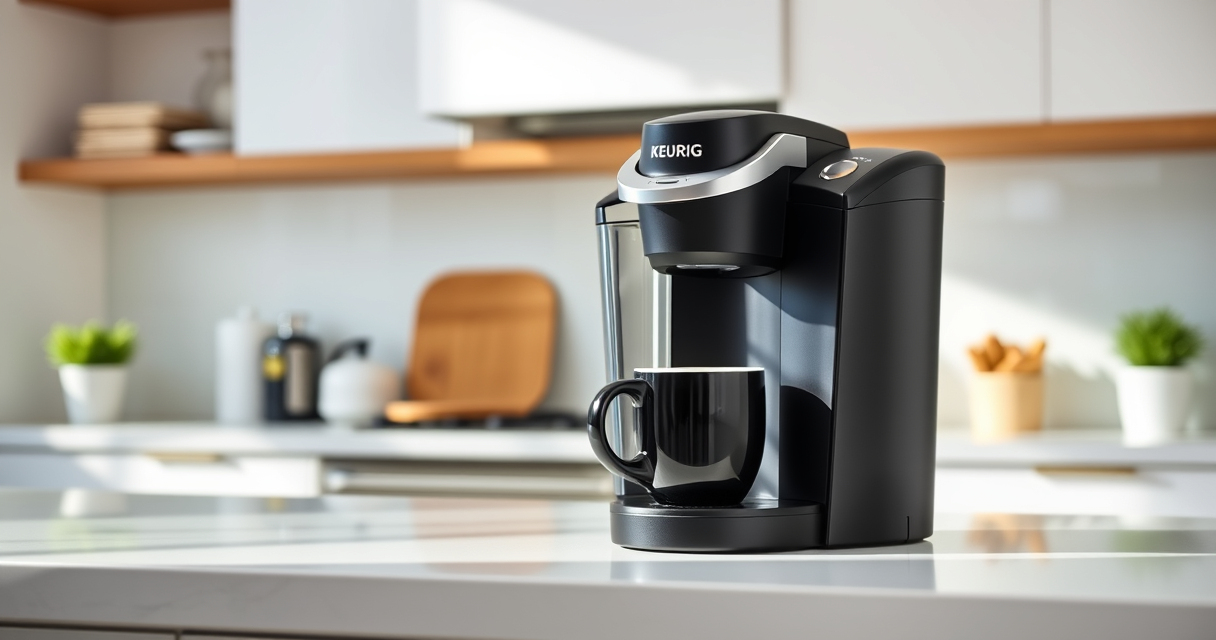
Keurig K-Mini Single Serve K-Cup Pod Coffee Maker, 6 to 12oz Brew size, with Cord Storage, Perfect for Small Spaces, Black
- Compact Design: Fits small spaces under 5 inches wide
- Adjustable Brew Size: Brew 6-12oz cups with Keurig pods
- Removable Water Reservoir: Add fresh water for each brew
As an affiliate, we earn on qualifying purchases.
Identify the Cause of Bad Tastes
Before troubleshooting, determine what might be causing the poor flavor. Common issues include mineral buildup, old water, or residual flavor from previous brews. If your Keurig has been used frequently without descaling or cleaning, deposits can develop inside the machine, affecting the taste of your coffee.
Additionally, check if you’re using fresh, filtered water, as tap water with high mineral content can contribute to scaling and flavor issues. If your machine produces inconsistent brews or the water flow feels slow, these are signs that cleaning or descaling is needed.
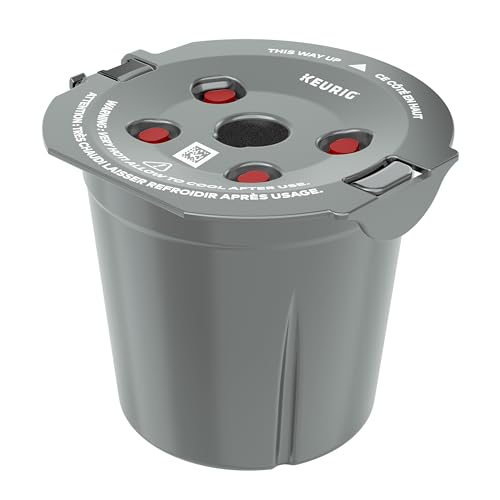
My K-Cup® Reusable Coffee Filter
- Brews with Ground Coffee: Brew a single cup with your favorite grounds
As an affiliate, we earn on qualifying purchases.
Clean the External and Internal Parts
- Unplug the Keurig and wipe down the exterior with a damp cloth to remove dust and grime.
- Remove the water reservoir, lid, and drip tray. Wash these parts with warm, soapy water and rinse thoroughly.
- Use a damp cloth or soft brush to clean the area around the needle and exit point where the brew comes out, removing any coffee grounds or buildup.
Internal cleaning is vital for taste. Use a rinse pod or run plain water through the machine to clear out residues. For more thorough cleaning, descaling is recommended.
Descale Your Keurig
Mineral deposits from hard water can quickly affect taste and performance. Use a descaling solution like the Keurig Descale Solution or a mixture of equal parts white vinegar and water. Fill the water reservoir with your chosen solution.
Place a mug on the drip tray, then run the brew cycle without a K-Cup, allowing the descaling solution to pass through the system. Repeat until the reservoir is empty, then run 2-3 cycles with fresh water to rinse out any remaining solution. This process should be done every 3-6 months, depending on water hardness.
Clean or Replace Filters and Reusable Pods
If you use a reusable filter like the My K-Cup®, ensure it is cleaned regularly. Remove, rinse thoroughly, and dry before reuse. If the filter or parts are excessively stained or clogged, consider replacing them for better flavor extraction.
Using fresh, ground coffee and ensuring your reusable pod is free of residue will also improve taste quality. Regular cleaning prevents flavor carry-over from previous brews.
Check Water Quality and Usage
Using filtered water reduces mineral deposits, which are a common cause of bad taste. Avoid using tap water with high mineral content, which can cause scaling and flavor issues. Always fill your reservoir with fresh, cold water before brewing.
If you notice slow water flow or inconsistent brewing, this may indicate a clog or buildup. Cleaning the water pathways and replacing filters can resolve these issues.
The Products in This Guide
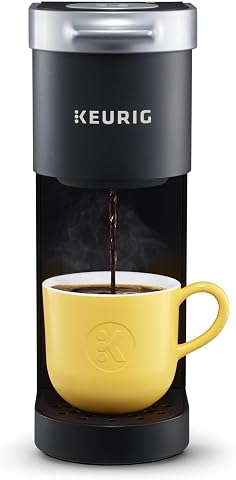
Keurig K-Mini Single Serve K-Cup Pod Coffee Maker
- ✔ Size: Less than 5 inches wide
- ✔ Brew Range: 6-12 oz
- ✔ Material: Matte finish
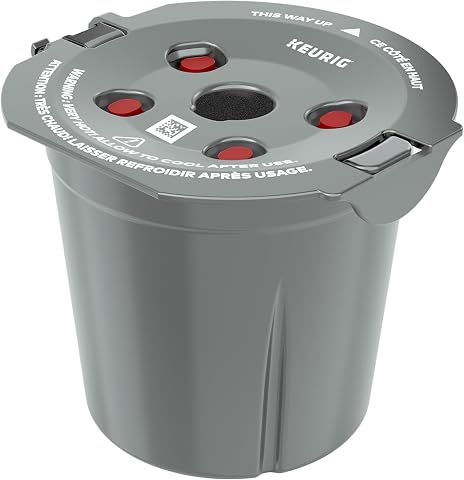
My K-Cup® Reusable Coffee Filter
- ✔ Material: High-quality plastic
- ✔ Compatibility: Most Keurig models
- ✔ Cleaning: Easy to rinse
Keurig K-Mini Single Serve K-Cup Pod Coffee Maker
The Keurig K-Mini Single Serve K-Cup Pod Coffee Maker is a space-saving device perfect for small kitchens, offices, or dorms. It brews 6-12oz cups quickly and features a removable drip tray and cord storage for convenience. Its simple design makes cleaning straightforward, and descaling can restore taste, making it a reliable choice for daily use.
Pros:
- Compact size fits small spaces
- Brews multiple cup sizes
- Removable drip tray for easy cleaning
- Energy-efficient auto off
Cons:
- Limited water reservoir capacity
- No programmable features
- Not compatible with all reusable filters
Best for: Small spaces, quick everyday coffee, minimal countertop clutter
Not ideal for: Large households or those needing programmable settings
Bottom line: A compact, reliable coffee maker ideal for small spaces that brews quickly and is easy to clean.
My K-Cup® Reusable Coffee Filter
The My K-Cup® Reusable Coffee Filter allows you to brew your own ground coffee with your Keurig, offering a fresh and customizable coffee experience. It’s compatible with the Keurig K-Mini and other models, making it a versatile addition to your setup.
Pros:
- Brew with your favorite ground coffee
- Eco-friendly reusable design
- Easy to clean
- Compatible with multiple Keurig models
Cons:
- Requires regular cleaning
- May need adjustments for fine grounds
- Not included in basic packages
Best for: Those wanting to customize their coffee and reduce waste
Not ideal for: Users preferring pre-packaged K-Cups for convenience
Bottom line: A simple, eco-friendly way to brew fresh ground coffee with your Keurig.
Frequently Asked Questions
Why does my Keurig taste bad even after cleaning?
Residual mineral deposits or old coffee oils can cause bad taste. Regular descaling with a proper descaling solution and cleaning of internal parts can restore flavor.
How often should I descale my Keurig?
It’s recommended to descale every 3-6 months, especially if you have hard water, to prevent mineral buildup and maintain optimal flavor.
Can I use vinegar instead of descaling solutions?
Yes, a mixture of equal parts white vinegar and water can be used for descaling. Be sure to run multiple rinse cycles afterward to remove any vinegar taste.
What is the best way to clean the reusable filter?
Remove the filter, rinse thoroughly with warm water, and gently scrub if needed. Avoid using harsh abrasive cleaners to prevent damage.
Why is my water flow slow or inconsistent?
It may indicate mineral buildup or clogging. Descaling and cleaning the water pathways can improve flow and brew quality.
Revitalize Your Keurig for Better Coffee
Regular maintenance, including cleaning and descaling, is essential for ensuring your Keurig continues to produce flavorful coffee. By following these step-by-step troubleshooting tips, you can address common issues like bad taste and sluggish performance. Keep your machine in top condition, and enjoy fresh, delicious brews every day.
Affiliate disclosure: As an Amazon Associate we earn from qualifying purchases. Prices and availability are accurate as of the time of publishing.