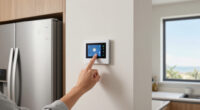
To build a realistic cleaning routine around your home robots, set predictable schedules during low-activity times and keep firmware updated for peak performance. Recognize their limitations, like missing spots or getting stuck, and plan manual touch-ups for cluttered areas. Use automation coupled with occasional manual cleaning for thoroughness. Stay adaptable to schedule changes and guarantee regular maintenance. If you want to make the most of your cleaning setup, here’s how to enhance your routine effectively.

Get home appliances delivered free — and shop member deals
- Fast, free delivery on millions of items
- Access to Prime Big Deal Days deals on October 6–7
- Prime Video, Amazon Music and more included
Key Takeaways
- Schedule robot cleaning during low-traffic times and plan manual touch-ups for high-traffic areas.
- Regularly perform maintenance and firmware updates to ensure optimal robot performance.
- Understand your robot’s limitations and supplement with manual cleaning when necessary.
- Develop a flexible routine that adapts to changing schedules and robot capabilities.
- Combine automated cleaning with traditional methods for comprehensive and efficient home maintenance.

Integrating home robots into your cleaning routine can streamline your chores and save you time, but it’s essential to set realistic expectations. While these devices are designed to make cleaning more efficient, they still require some effort on your part to keep them functioning smoothly. Robot maintenance is a key part of ensuring your devices operate effectively over the long term. Regularly emptying dustbins, checking brushes, and cleaning sensors might seem minor, but neglecting these tasks can lead to decreased performance or even damage. Developing a simple maintenance schedule helps you stay on top of these chores without feeling overwhelmed.
Regular maintenance and realistic expectations keep your home robot running smoothly and effectively over time.
Another common hurdle is scheduling challenges. Home robots often operate best when their cleaning times are predictable, so it’s important to set specific times for them to run. If you rely on them to clean when you’re not home, make sure they’re scheduled during periods when the house is typically unoccupied or when minimal disruption occurs. Many models allow you to program cleaning routines in advance, which can help you avoid conflicts with your daily activities. However, don’t forget to account for unexpected interruptions or changes in your schedule—rigid routines can sometimes cause problems if you forget to adjust them as needed. Additionally, understanding the capabilities and limitations of your robot can help you set more realistic expectations and avoid frustration. Recognizing these factors can also help you optimize your robot’s placement and schedule for maximized efficiency.
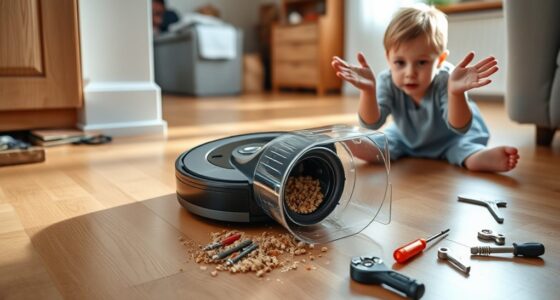
You also need to be aware that robots aren’t perfect. They might miss spots or get stuck in tight corners, and you’ll need to intervene occasionally. Building your routine around these limitations means you won’t expect your robot to do everything flawlessly. Instead, plan for occasional manual touch-ups, especially in high-traffic or cluttered areas. This approach prevents frustration and ensures your home stays clean without relying solely on automation. Incorporating user feedback can further improve your routine by helping you identify recurring issues and adjust your expectations accordingly. Furthermore, understanding the importance of software updates and maintenance can help prevent unexpected malfunctions and keep your robot operating at peak performance. Regularly referencing manufacturer guidelines can also assist you in troubleshooting common problems more effectively.
To make your routines more effective, consider combining robot cleaning with traditional methods. For example, you might run your robot in the mornings and do a quick vacuum or mop by hand in the evening to catch anything it missed. This combo reduces the burden of cleaning and makes your routine more comprehensive. Additionally, keep an eye on your robot’s firmware updates and maintenance reminders from the manufacturer. Staying current with these updates can improve performance and reduce scheduling challenges caused by software glitches or outdated systems.
Ultimately, building a realistic cleaning routine around home robots involves understanding their capabilities and limitations. With consistent robot maintenance and flexible scheduling, you’ll find that these devices can genuinely simplify your chores, giving you more time to enjoy other activities. Just be prepared to adapt as needed, and don’t expect perfection—think of your robot as a helpful assistant, not a total replacement for your own efforts.
As an affiliate, we earn on qualifying purchases.
Frequently Asked Questions
How Long Do Home Robots Typically Last Before Needing Replacement?
Home robots usually last about 3 to 5 years before needing replacement, depending on usage and maintenance. Battery lifespan plays a key role, with most batteries lasting 1 to 2 years of regular use before needing replacement or servicing. The replacement frequency varies, but keeping your robot well-maintained and following manufacturer guidelines can extend its lifespan, ensuring it continues to perform efficiently for years.
Can Home Robots Handle Delicate or Fragile Items Safely?
Home robots generally can’t handle delicate or fragile items safely because of their limited fragile handling capabilities. Their delicate sensors help prevent collisions, but they lack the precision needed for fragile items. To protect your valuables, you should manually handle delicate objects or set specific no-go zones for your robot. Always supervise cleaning sessions around fragile items to avoid accidental damage and guarantee your home remains safe.
Do Home Robots Work Effectively on All Types of Flooring?
Think of your home floors as a stage, and your robot as a dancer. Flooring compatibility is key—your robot performs best on smooth surfaces like hardwood and tiles, but may struggle with thick carpets or uneven floors. To guarantee ideal robot performance, check your model’s specifications. While many robots adapt well, some may need manual assistance on certain flooring types, so understanding your robot’s strengths and limits keeps your home spotless.
What Are Common Connectivity Issues With Home Robots?
You might experience connectivity issues with your home robot caused by wireless interference from other devices or thick walls blocking signals. Sometimes, the robot’s firmware updates are crucial for fixing bugs and improving performance, but delays or failures in updating can cause connectivity problems. To minimize issues, keep your Wi-Fi clear of interference, guarantee firmware is up to date, and position your router and robot for peak signal strength.
How Much Maintenance or Cleaning Do Home Robots Require?
Think of your home robot as a diligent gardener, tending to your space. You’ll need to occasionally empty its dust collection bin and check its brushes, much like pruning a plant. Battery life influences how often you recharge, ensuring it’s always ready for action. Regular maintenance keeps your robot running smoothly, so it can effectively clean your home without interruptions. A little upkeep goes a long way in maintaining its cleaning prowess.
automatic dustbin emptying station
As an affiliate, we earn on qualifying purchases.
As an affiliate, we earn on qualifying purchases.
Conclusion
By gently weaving your home robots into your daily habits, you create a seamless rhythm that keeps your space tidy without the fuss. Embrace the quiet moments when they work their magic, knowing you’re gently fostering a more relaxed and organized environment. With patience and consistency, your routines will blend effortlessly, transforming chores into a subtle dance. In time, these little helpers will become your trusted partners, making cleanliness feel like a natural, effortless part of your home.
As an affiliate, we earn on qualifying purchases.
As an affiliate, we earn on qualifying purchases.
NFL season / tailgating Picks
team gear
As an affiliate, we earn on qualifying purchases.