
When choosing between reusable and disposable robot mop pads, consider your cleaning needs, environmental concerns, and your robot’s compatibility. Reusable pads, often made of microfiber or cotton, are eco-friendly, cost-effective, and require washing, while disposables offer quick, hassle-free cleanup but create waste. Think about how often you clean and your sustainability values. Stay tuned to find out how each type impacts performance, durability, and long-term savings.
Key Takeaways
- Reusable pads are eco-friendly, cost-effective, and durable with proper maintenance, while disposable pads offer convenience for single-use cleaning.
- Compatibility with specific robot models is essential to ensure proper fit and optimal cleaning performance.
- Microfiber reusable pads effectively trap dirt and allergens, whereas disposable pads are ideal for quick, heavy-duty stains.
- Reusable pads require washing and drying, increasing maintenance time; disposables eliminate cleaning but create waste.
- Choice depends on cleaning habits, environmental concerns, and budget, balancing convenience with sustainability.

Cleaning robot mop pads are essential for maintaining your device’s performance and ensuring a spotless floor. When choosing between reusable and disposable pads, you’ll want to consider several factors, including compatibility with your robot vacuum and the pad material types. Not all robot vacuum models are compatible with every type of mop pad, so it’s important to verify that the pads you select fit your device properly. Some robot vacuum manufacturers design specific pads to match their models, ensuring maximum performance and preventing damage. Compatibility can include the attachment mechanism, size, and shape, so double-check the specifications before buying.
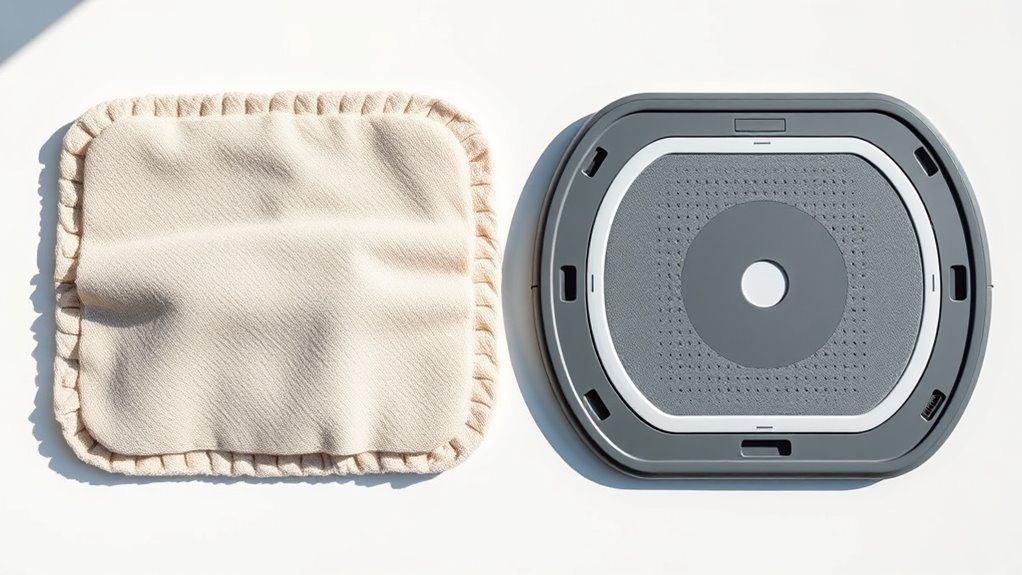
Pad material types vary widely, and your choice influences cleaning effectiveness, durability, and ease of maintenance. Reusable pads are typically made from microfiber, cotton, or other washable fabrics. Microfiber, in particular, is popular because it traps dirt and dust effectively, is gentle on floors, and can be washed multiple times without losing its cleaning power. Cotton pads are also common; they are absorbent and durable but may require more frequent washing. Disposable pads, on the other hand, are usually made from non-woven cloths or synthetic fibers designed for single-use. They often feature a scrubbing side or a textured surface for tougher stains, making them ideal for quick cleanups or areas prone to heavy dirt buildup.
Additionally, microfiber pads are highly effective at capturing small particles and allergens, which can contribute to a healthier indoor environment. When it comes to environmental impact and cost, reusable pads tend to be more eco-friendly and economical over time. You buy them once and wash them repeatedly, saving money and reducing waste. Disposable pads, while convenient, generate waste after each use, which might not sit well if you’re eco-conscious. However, disposables can be a real time-saver for busy households, eliminating the need for washing and drying.
Durability is another consideration. Reusable pads can last for months if properly cared for, but they may degrade over time, especially if used on rough surfaces or with harsh cleaning agents. Disposable pads are designed for one-time use, so they don’t need to withstand multiple washes but will need to be replaced frequently to maintain cleaning efficiency.
In the end, your choice depends on your cleaning habits, environmental considerations, and your specific robot vacuum model. Make sure you check the compatibility and select pad material types that suit your cleaning needs. Whether you prefer the eco-friendliness and cost-effectiveness of reusable pads or the convenience of disposables, both options can keep your robot vacuum performing at its best and your floors spotless.

6 Pack Reusable Mop Pads for Roborock Q10 S5, Q10 S5+ Robot Vacuum
- Compatibility: Fits Roborock Q10 S5 and more
- Material: Made from ultra-fine microfiber
- Cleaning Effectiveness: Removes dust, grease, pet hair
As an affiliate, we earn on qualifying purchases.
As an affiliate, we earn on qualifying purchases.
Frequently Asked Questions
How Long Do Reusable Mop Pads Typically Last?
Reusable mop pads typically last between 50 to 100 washes, depending on their quality and how well you care for them. Their durability expectancy varies based on usage frequency and cleaning method, but with proper care, you can maximize their lifespan. To extend pad lifespan, wash them gently, avoid harsh chemicals, and air dry. This way, you guarantee your reusable pads stay effective longer, saving you money and reducing waste.
Are Disposable Mop Pads Environmentally Friendly?
Disposable mop pads aren’t very environmentally friendly due to biodegradability concerns and their plastic waste impact. They often contain non-biodegradable plastics, which take years to decompose, contributing to landfill pollution. If you’re environmentally conscious, consider using reusable pads, which can be washed and reused multiple times, reducing plastic waste and minimizing your ecological footprint. Switching to eco-friendly options helps protect the environment and reduces your impact on landfill overflow.
Can Reusable Pads Be Machine Washed Frequently?
Yes, reusable pads can be machine washed frequently if they have good machine wash durability and are made from durable, high-quality materials like microfiber or polyester. Check the pad’s material composition and care instructions to guarantee they hold up well over multiple washes. Properly washing reusable pads helps maintain their cleaning effectiveness and extends their lifespan, making them a convenient and eco-friendly choice for your cleaning routine.
Do Disposable Pads Contain Any Harmful Chemicals?
Did you know that over 60% of disposable mop pads contain chemicals that may leave toxic residues? These pads often have a chemical composition designed for cleaning, but some include fragrances, dyes, or preservatives that could be harmful. You should be cautious, as exposure to these substances might cause skin irritation or respiratory issues. Always check labels to understand the chemical composition and choose safer options for your home.
Which Type Offers Better Cleaning Performance?
Disposable pads generally offer better mopping efficiency and dirt removal because they’re often designed with fresh, absorbent materials that maximize cleaning power. You’ll notice quicker, more thorough results with disposables, especially for tough stains or heavy dirt. Reusable pads can be effective too, but they may need frequent washing to maintain ideal performance. For maximum cleaning performance, many prefer disposable pads for their consistent, high-quality cleaning capability.
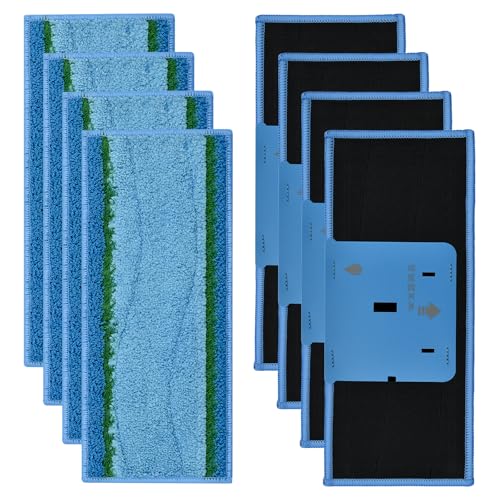
8 Pack Mop Pads for iRobot Braava Jet M6 (6110) (6012) (6112) (6113) Ultimate Robot Mop, Upgraded M6 Wet Mopping Pads, Washable Reusable Microfiber Deep Clean Mop Pads
- Compatibility: Fits iRobot Braava Jet M6 models
- Material: Made of microfiber and cotton
- Durability: Reusable and washable design
As an affiliate, we earn on qualifying purchases.
As an affiliate, we earn on qualifying purchases.
Conclusion
Choosing between reusable and disposable cleaning robot mop pads is like picking between a trusty old friend and a quick, shiny gadget. Reusable pads save money and help the environment, while disposables offer convenience for busy days. Think about your lifestyle and cleaning habits to decide which fits best. Whichever you choose, you’ll keep your floors sparkling—like a fresh coat of paint on a blank canvas. Clean smarter, not harder!

8 Pack Reusable Mop Pads for Dreame L10s, L40, X40, X50 Robot Vacuum
- Wide Compatibility with Dreame Models: Compatible with various Dreame robot vacuums
- Also Compatible with Mova Models: Works with select Mova robot vacuums
- Deep Cleaning Microfiber Material: Captures dust, absorbs spills, removes grease
As an affiliate, we earn on qualifying purchases.
As an affiliate, we earn on qualifying purchases.
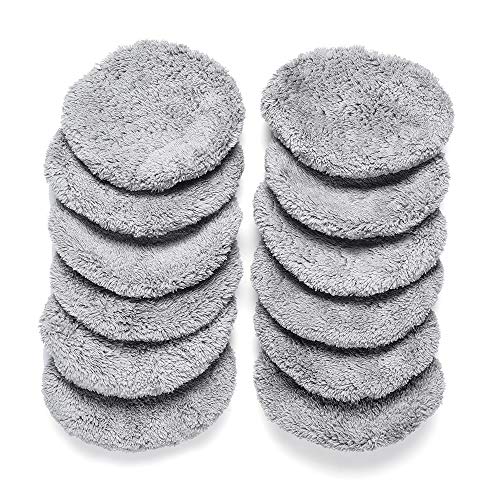
Replacement Pads for Window Cleaning Robot, Compatible with Model W5 W2 X5 X6 X7 X8 HC-09 HC-07 HC-11 HC-18, Washable and Reusable Microfiber Cloth -12pcs/6 Sets
- Compatibility: Fits Tosima and round window robots
- Package Quantity: Includes 12 microfiber pads in 6 sets
- Reusable Design: Washable and reusable microfiber pads
As an affiliate, we earn on qualifying purchases.
As an affiliate, we earn on qualifying purchases.