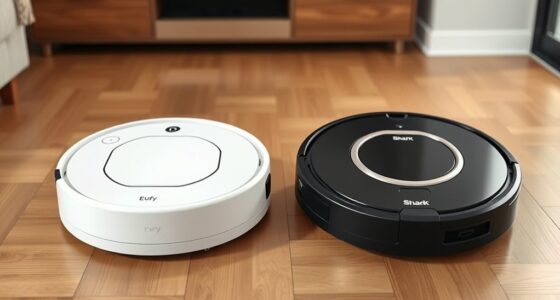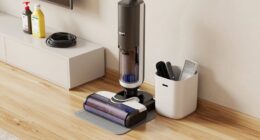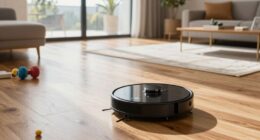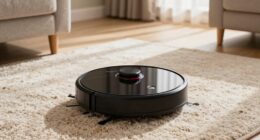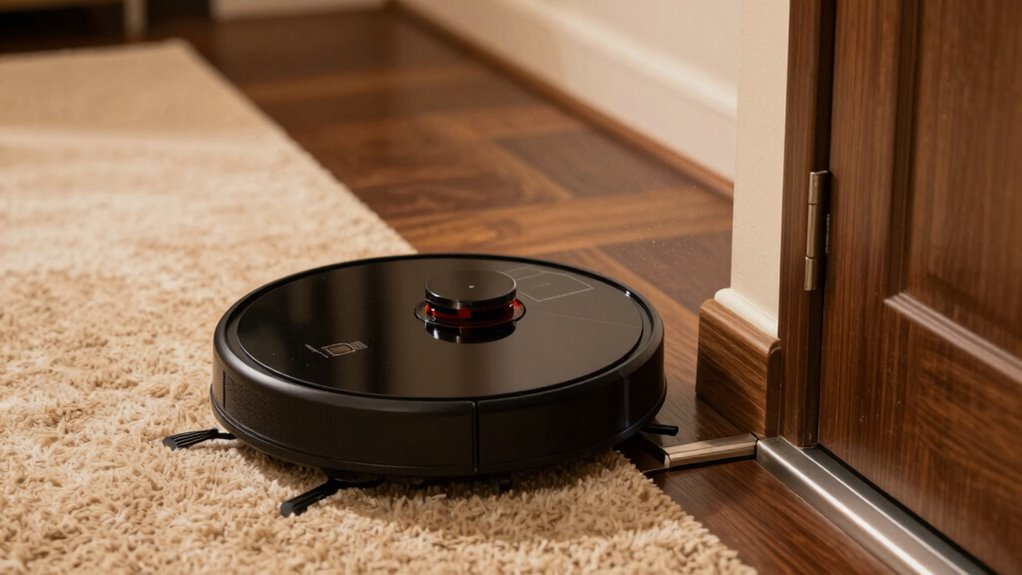
If your robot vacuum struggles with thresholds and door bars, it’s often because of limited battery life or insufficient motor power. Low batteries can cause hesitation or stopping before crossing, while weaker motors may not have enough strength to climb over barriers. Noise levels and sensor technology also play a role, affecting how confidently your vacuum approaches obstacles. To learn how different features impact performance and ways to improve your device’s navigation, keep exploring these key factors.
Key Takeaways
- Limited battery capacity can cause vacuums to hesitate or stop before crossing thresholds.
- Insufficient motor power and design can prevent crossing high or complex door bars.
- High noise levels may cause vacuums to back off or avoid thresholds confidently.
- Inaccurate sensor technology can lead to misjudging barrier height and stability.
- Poorly optimized features for home layout reduce the vacuum’s ability to navigate thresholds effectively.
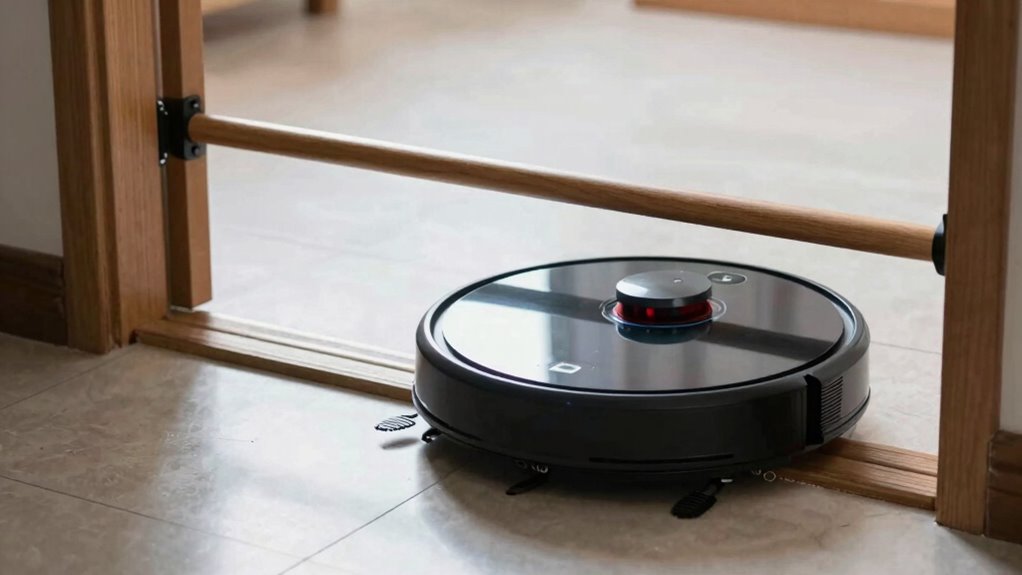
Robot vacuums have revolutionized home cleaning by offering convenience and efficiency, but maneuvering thresholds between different floor types remains a challenge. When your robot encounters a door bar or a raised threshold, it often struggles to cross smoothly. This difficulty isn’t just annoying; it can leave parts of your home uncleaned and cause frustration. Understanding why some vacuums falter at these barriers involves looking at their design and limitations, especially concerning battery life and noise levels.
Battery life plays a significant role in how well a robot vacuum can handle thresholds. Many models operate on batteries that last between 60 to 120 minutes, which might sound sufficient for small spaces. However, when facing obstacles like thresholds, the vacuum needs extra power to climb or jump over them. If the battery is running low, the robot may hesitate or stop altogether, fearing it won’t make it back to the charging dock. This means that even if the vacuum has the physical capability to cross a threshold, limited battery capacity can prevent it from attempting or completing the task. To get around this, you might need to schedule cleaning sessions when the battery is fully charged or consider models with longer-lasting batteries, especially if your home has multiple thresholds or uneven flooring. battery capacity directly impacts how effectively a robot vacuum can navigate challenging obstacles. Additionally, some models include powerful motors specifically designed to assist with overcoming these barriers, making them more suitable for homes with complex layouts. Upgrading to a model with advanced motor technology can further improve obstacle-crossing performance.
Limited battery life can prevent robot vacuums from crossing thresholds or completing cleaning tasks.
Noise levels also influence a robot vacuum’s ability to approach thresholds confidently. Some models operate loudly, which can create a psychological barrier for the device, causing it to back off or avoid crossing altogether. Lower noise levels tend to encourage the robot to push forward, especially if the model is designed with gentle motors and quiet operation modes. When a vacuum is too loud, it can also be distracting for you, but it might make the device more cautious around barriers, afraid it will disturb the environment further. Conversely, quieter models tend to be more confident, often equipped with sensors that help them judge whether they can safely ascend or descend thresholds without causing damage or getting stuck.
Additionally, sensor technology plays a crucial role in enabling vacuums to detect and navigate obstacles like thresholds more effectively, contributing to their overall performance in complex home layouts. Enhanced sensors can help the vacuum better assess the height and stability of barriers before attempting to cross, reducing the risk of getting stuck or causing damage. In the end, both battery life and noise levels are vital factors affecting a robot vacuum’s performance at thresholds. If your home has many door bars or uneven transitions, choosing a model with a powerful battery and low noise operation can make a big difference. These features allow the vacuum to approach barriers more confidently, ensuring thorough cleaning without repeated attempts or interruptions. Knowing these aspects helps you select a vacuum that can handle your specific home layout, making your cleaning routine smoother and more efficient.
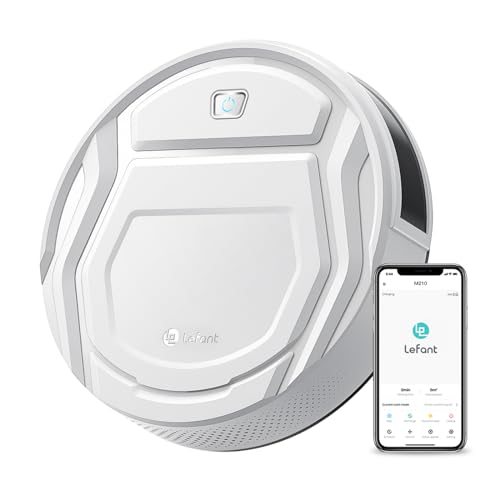
Lefant Robot Vacuum Cleaner, Strong Suction, 120 Mins Runtime, Slim, Low Noise, Automatic Self-Charging, Wi-Fi/App/Alexa Control, Ideal for Pet Hair Hard Floor and Daily Cleaning, M210
This Lefant M210 robotic vacuum cleaner is good for families with pets.
As an affiliate, we earn on qualifying purchases.
As an affiliate, we earn on qualifying purchases.
Frequently Asked Questions
Can Robot Vacuums Be Modified to Handle Thresholds Better?
Yes, you can modify your robot vacuum to handle thresholds better. Adding or upgrading threshold sensors enhances obstacle detection, allowing it to recognize and navigate over door bars more effectively. You might also consider adjusting the vacuum’s height or adding custom attachments to improve its ability to cross boundaries without getting stuck. These modifications help your robot vacuum adapt to various floor changes, making cleaning more efficient and less frustrating.
Do All Robot Vacuums Have Threshold Limitations?
Not all robot vacuums face threshold limitations; some glide smoothly over design challenges like skilled dancers. Their obstacle sensors and threshold design work together to navigate your home’s obstacles. However, many models hit a wall at thresholds or door bars, like a boat grounding on shallow waters. So, before buying, check if the vacuum’s obstacle sensors and doorway design can handle your home’s unique doorways and passages.
How Do Threshold Heights Vary Across Different Models?
Threshold height variations across models typically range from about 0.5 to 1.5 inches. When choosing a robot vacuum, you need to check its model compatibility with your door bars or thresholds. Some models are designed with low-profile features to handle higher thresholds, while others may struggle. Always review the specifications to verify your preferred vacuum can easily navigate your home’s threshold heights, preventing missed spots or jams.
Are There Specific Brands Known for Better Threshold Navigation?
Some brands are better at threshold navigation because they use advanced threshold sensors and sophisticated navigation algorithms. Brands like iRobot Roomba and Roborock tend to excel, as they incorporate sensors that detect height differences and navigation algorithms that adapt to obstacles. This allows them to handle door bars and thresholds more effectively, ensuring thorough cleaning without getting stuck. If threshold navigation matters to you, prioritize models with these smart features.
What Maintenance Helps Improve Threshold Crossing Ability?
To improve your robot vacuum’s threshold crossing ability, regularly calibrate its sensors and keep the sensors clean. Proper sensor calibration guarantees accurate detection of obstacles like thresholds and door bars. Additionally, maintain the brushes by removing hair, debris, and dirt, which can hinder the vacuum’s ability to approach and climb over thresholds effectively. These steps help your vacuum navigate more smoothly and reliably across different surfaces.
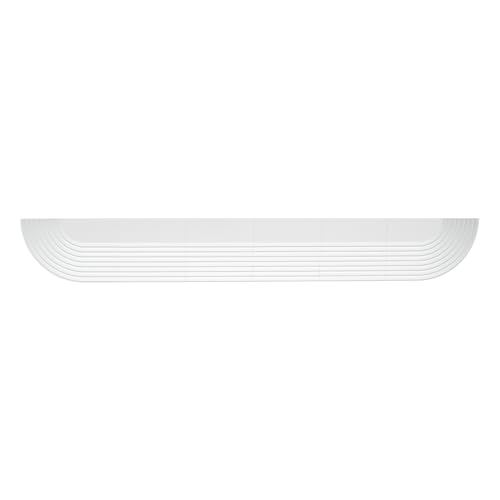
roborock Threshold Strip for All Series Robot Vacuums
Compatible Model: Compatible with All roborock Robot Vacuums.
As an affiliate, we earn on qualifying purchases.
As an affiliate, we earn on qualifying purchases.
Conclusion
Imagine a small child trying to leap over a tall fence—sometimes, thresholds and door bars feel just as intimidating for robot vacuums. They’re designed to navigate your home, but these tiny obstacles can trip them up, much like a missed step. Understanding their limitations helps you set realistic expectations. With a little patience and clever placement, you can guarantee your robot vacuum glides smoothly, turning your cleaning routine into a seamless dance rather than a stumble.
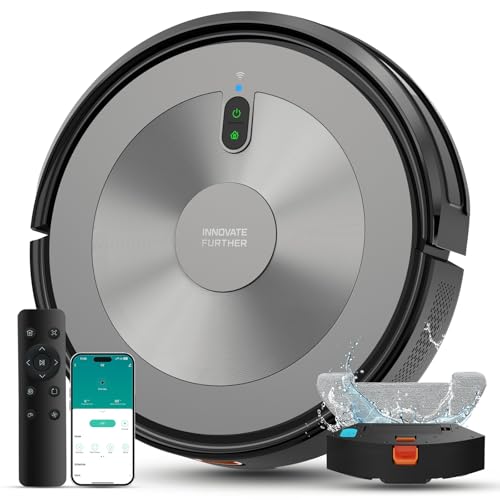
Robot Vacuum and Mop Combo, 5000Pa 3-in-1 Robotic Vacuum Cleaner, Brushless Motor, Tangle-Free Design, Smart App/Alexa Control, Auto Charging & Schedule, ideal for Pet Hair, Hard Floor and Carpet
✅🌀 5000Pa Powerful Suction with Large Capacity – Driven by a high-performance brushless motor, this 3-in-1 robot vacuum…
As an affiliate, we earn on qualifying purchases.
As an affiliate, we earn on qualifying purchases.

Obstacle Crossing Threshold bar kit Compatible with Roborock S5 S6 S7 S8 Q revo Series Vacuum Cleaner Robot, Obstacle Crossing Slope Accessory Parts (B (Standard Version))
Obstacle crossing threshold bar kit Compatible with Roborock S5 S6 S7 S8 Q revo Series Vacuum Cleaner. It's…
As an affiliate, we earn on qualifying purchases.
As an affiliate, we earn on qualifying purchases.