
TL;DR

Get home appliances delivered free with Prime
- Fast, free delivery on millions of items
- Prime Video, Amazon Music and more included
- Member-only deals all year
You can technically mow soon after aerating, but the Hunker report advises waiting at least a few days so grass can recover. If you overseed, wait a couple of weeks before mowing; mowing over core-aeration plugs may break them up sooner but can risk mower-blade damage.
A Hunker lawn-care report says homeowners can technically mow soon after aerating, but generally should wait at least a few days to give grass time to recover. The recommended pause may be longer if the lawn is being overseeded: the report says to aerate before seeding and wait a couple of weeks before mowing.
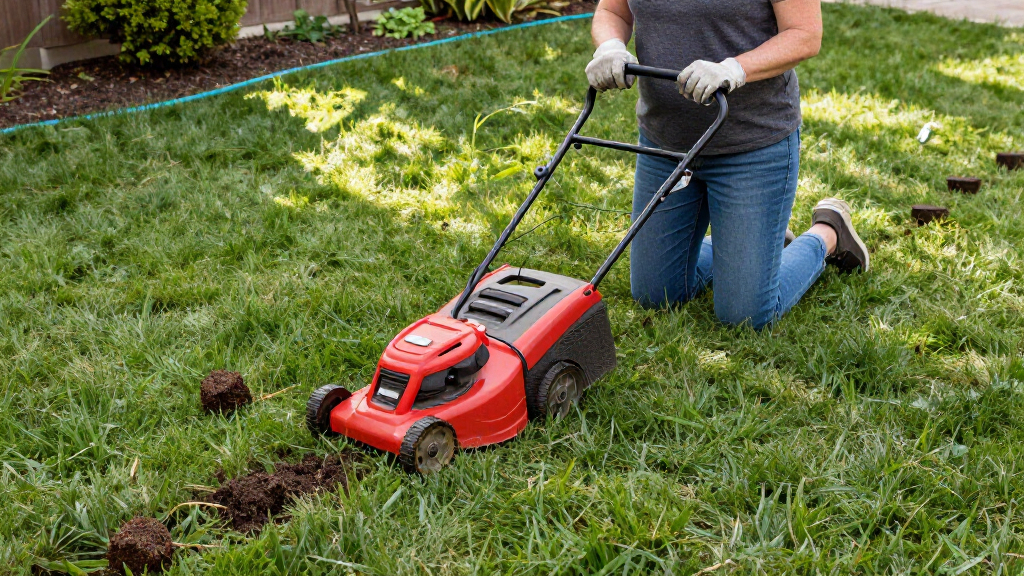
The timing depends on what happens after aeration. For a lawn that will not be overseeded, the report says mowing can help break up the soil plugs left by a core aerator. Those plugs normally decompose on their own, so homeowners do not need to remove them. Mowing may speed that breakdown, but hardened plugs can potentially damage mower blades.
For lawns being overseeded, the report advises against mowing immediately after seed is spread. Its general sequence is to aerate first, overseed, then wait a couple of weeks before mowing. The report also cites Angi’s guidance to mow a few weeks after aeration or when turf reaches 2 to 3 inches tall. That height is a reference point, not a universal schedule for every lawn.
The report attributes the recovery advice to the Ask Extension Foundation and the suggested mowing height to Angi. It does not provide a single fixed interval that applies to every grass type, aeration method, or yard condition. Homeowners should account for their lawn’s growth and whether seed has been added before returning to the mower.
How Timing Affects Lawn Recovery
Waiting can help avoid putting freshly aerated turf under unnecessary stress while it recovers. The trade-off is practical: mowing can tidy the lawn and break up visible plugs, but rushing in may risk harming equipment or interfering with newly spread seed. Choosing the right interval helps homeowners coordinate two common jobs—aeration and mowing—without treating them as though they have the same schedule in every yard.
The guidance also connects mowing habits to the longer-term condition of the soil. Clemson Cooperative Extension recommends alternating mowing directions and avoiding heavy equipment on heavier soil, practices the report says can help prevent mowing from worsening compaction. Compacted soil can mean a greater need for aeration, so the way a lawn is maintained between aeration sessions matters too.
As an affiliate, we earn on qualifying purchases.
Aeration, Plugs and Overseeding
Aeration is used to relieve compacted soil and help oxygen reach turfgrass, according to the source report. The report says lawns with little compaction and limited foot traffic may not need aeration as often, while other lawns may need it more than once a year. It does not set a universal annual frequency.
Core aeration leaves small soil plugs on the lawn’s surface. The report says these plugs generally break down naturally and are usually best left in place. Because overseeding changes the timing, homeowners planning to add seed should set the mowing schedule around that work rather than immediately mowing after aeration.
“Waiting a few days gives the grass time to recover.”
— The Ask Extension Foundation, as cited by Hunker
lawn mower blades for grass recovery
As an affiliate, we earn on qualifying purchases.
As an affiliate, we earn on qualifying purchases.
Why There Is No Single Mowing Date
The report does not specify one exact waiting period for every lawn. The appropriate interval depends on grass height, recovery and overseeding plans, and the source’s advice ranges from a few days to a couple of weeks or more. It also does not identify a particular grass variety, soil condition, or weather scenario that would determine the timing for an individual yard.
It remains unclear from the report how quickly plugs will break down in specific conditions or how likely they are to damage a mower blade. Its warning describes a possible risk, not a certainty. The article also does not give separate schedules for different aerator types beyond discussing plugs from core aeration.
As an affiliate, we earn on qualifying purchases.
Check Turf Before Resuming Mowing
Homeowners should first decide whether they will overseed. If so, the report’s guidance is to aerate before seeding and wait a couple of weeks before mowing. If they are not overseeding, they can allow several days for recovery, then check grass height and the condition of any surface plugs before deciding whether to mow.
Where plugs remain firm, mowing could break them up but may also expose blades to damage. The report offers no later update or fixed deadline, so the next step is to base the decision on the lawn’s visible recovery and growth rather than a universal calendar date.
As an affiliate, we earn on qualifying purchases.
Key Questions
Can I mow immediately after aerating?
You technically can, but the Hunker report says it is generally better to wait at least a few days so the grass has time to recover.
How long should I wait if I overseed?
The report recommends aerating before overseeding and waiting a couple of weeks before mowing. It does not give a schedule tailored to every grass type or condition.
Should I remove the soil plugs after core aeration?
The plugs generally decompose on their own, so the report says leaving them in place is usually appropriate. Mowing may break them up sooner, but hardened plugs could damage mower blades.
What grass height can help guide mowing?
Angi, as cited in the report, suggests mowing a few weeks after aeration or when turf is 2 to 3 inches tall. That is general guidance, not a universal threshold for every lawn.
Source: rss
Fall yard work Picks
leaf blowers
As an affiliate, we earn on qualifying purchases.