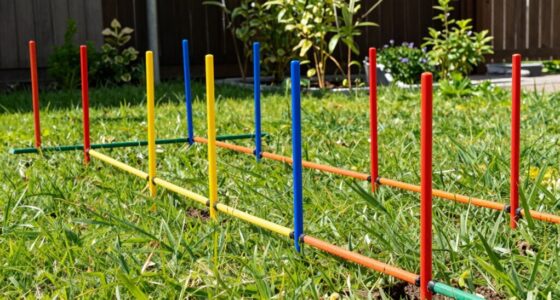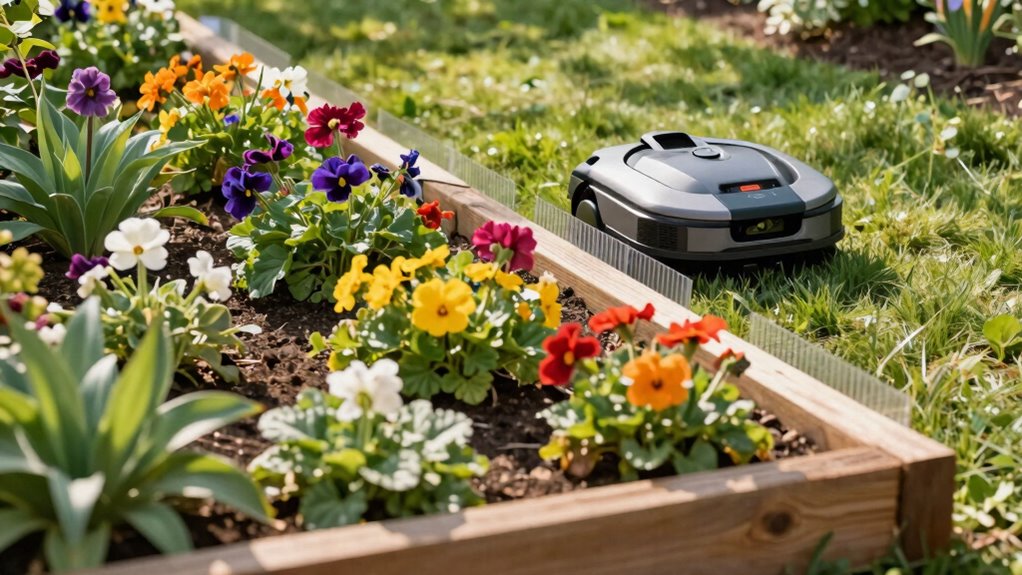

To protect your garden beds from a robotic mower, install physical barriers like low fences, edging, or natural deterrents that are tall enough to stop mower blades. Use durable materials such as wood, bricks, or stones and make sure barriers are flush or slightly raised. You can also set up boundary wires as invisible fences and regularly check obstacle sensors. Combining these methods along with proper mapping and monitoring helps keep your garden safe—there’s more to take into account for thorough protection.
Key Takeaways
- Install physical barriers like low fences, edging, or large stones around garden beds for direct protection.
- Use boundary wire systems to create invisible fences that prevent mower entry into planting areas.
- Secure wooden borders or line beds with bricks to withstand mower contact and movement.
- Regularly inspect and maintain obstacle sensors and boundary systems for optimal safety.
- Map and monitor mower operation initially to identify and address potential risks near garden beds.
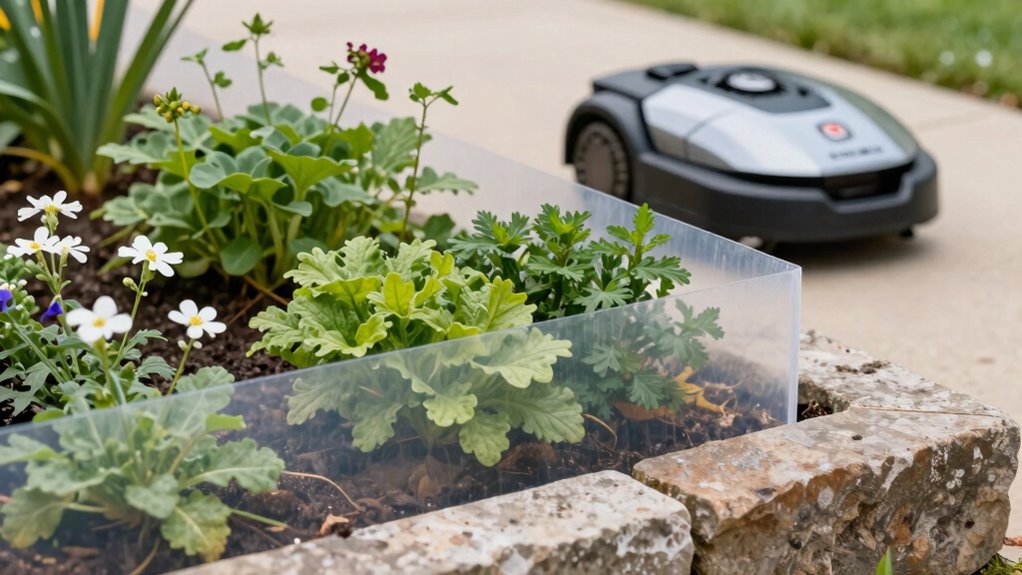
Robotic lawn mowers can make yard maintenance easier, but they can also pose a risk to your garden beds if you don’t take precautions. To guarantee robotic mower safety, you need to create clear boundaries that keep the mower from wandering into delicate planting areas. Installing garden bed barriers is one of the most effective ways to prevent accidental damage. These barriers don’t have to be elaborate; simple solutions like low fences, edging, or even natural deterrents can do the trick. The goal is to establish a physical boundary that the mower recognizes as off-limits, reducing the chance it will cut into your flowers or vegetables.
When selecting garden bed barriers, consider the height and material. The barrier should be tall enough to stop the mower’s blades but not so obtrusive that it ruins the aesthetic of your garden. Plastic or metal edging works well because it’s durable and low-maintenance. Wooden borders can also be effective, but ensure they are securely anchored to withstand the mower’s movement. You might also use bricks or large stones to line the perimeter of your beds. Whichever material you choose, make sure it’s flush with the ground or slightly raised to prevent the mower from slipping underneath or over the barrier. Additionally, understanding emerging trends in lawn equipment can help you select the most innovative and effective barriers for your needs.
Another essential aspect of robotic mower safety is properly mapping your lawn. Many robotic mowers come with boundary wire systems that you can install around your garden beds. These wires act as invisible fences, signaling the mower to stay within designated areas. Proper installation of these boundary wires is vital—ensure they are laid out smoothly and buried slightly below the surface so they don’t pose a tripping hazard or interfere with lawn equipment. Regularly check the boundary system to confirm it remains intact, especially after weather events or lawn work. Incorporating boundary wire systems into your setup can significantly enhance the mower’s safety and efficiency. Moreover, understanding lawn mapping can help you better plan and optimize your yard’s layout for robotic mower operation. Staying informed about lawn equipment safety and innovative barriers can further ensure your garden remains protected as technology advances.
Finally, always keep an eye on your robotic mower during its initial runs. Observe how it navigates the yard, and if you notice it approaching your garden beds, intervene to make adjustments. Many robotic mowers have safety features like obstacle sensors that should be enabled and tested regularly. Maintaining these features guarantees the mower can stop or change direction when it encounters unexpected objects. Using garden bed barriers combined with proper boundary setup creates a safe, efficient environment where your robotic mower can operate without causing harm. This way, you get the benefits of automated lawn care while protecting your garden’s beauty and health. Additionally, understanding media literacy can help you stay informed about the latest safety features and best practices for modern lawn equipment.

Robot Mower Fence Gate, Durable PETG Automatic Lawn Mower Accessory, Compatible with Robotic Lawnmowers, Weather-Resistant & Easy-Install Fence Door for Auto Mowing Systems
- Secure and Space-Saving Design: Encloses mowing area with pass-through
- Universal Compatibility: Fits most robotic lawn mowers
- Durable PETG Material: Resists cracks, UV, and weather
As an affiliate, we earn on qualifying purchases.
As an affiliate, we earn on qualifying purchases.
Frequently Asked Questions
Can Robotic Lawn Mowers Damage Delicate Plants?
A robotic mower can damage delicate plants if it’s not properly guided or if the plants are near the mower’s cutting path. You should keep the mower away from sensitive plants, as it might accidentally run over or trample them, causing harm. To protect your delicate plants, create barriers or define boundaries to prevent the robotic mower from reaching these areas, ensuring your garden stays healthy and undamaged.
What Safety Precautions Should I Take During Mower Operation?
Think of operating your robotic mower as steering a ship through calm waters—you need safety gear like gloves and goggles to shield yourself from unexpected splashes. Always activate emergency stops before starting, like raising the anchor when danger lurks. Keep children and pets at a safe distance, and stay alert during operation. These precautions guarantee smooth sailing, protecting both you and your garden’s delicate treasures from any mishaps.
How Do I Repair Damage Caused by the Mower?
If your garden beds are damaged by the mower, start by evaluating the extent of the harm. You may need to perform soil restoration by aerating or adding compost to improve soil health. For plant damage, remove and replace any affected plants with healthy ones. Confirm the mower’s safety features are active to prevent future damage, and consider installing barriers or protective edging to keep the mower at bay.
Are There Specific Mower Models Better for Garden Bed Protection?
Think of mower models like trusty guards for your garden beds. Opt for models with excellent mower compatibility and advanced edge trimming features—these make navigation along garden borders smoother and safer. Some brands specifically design mowers with customizable boundary settings and sensors that prevent accidental intrusion. By choosing the right model, you guarantee your garden stays protected, while the mower efficiently maintains your lawn without risking damage to your flower beds.
How Often Should I Check the Protective Barriers?
You should check your protective barriers regularly, ideally once a week, to guarantee they’re in good condition. Consistent barrier maintenance prevents gaps or damage that could let the mower intrude into your garden beds. During inspection, look for wear, tears, or loose sections, and repair or reinforce them promptly. Maintaining a consistent inspection frequency helps keep your garden beds safe and minimizes the risk of mower accidents.

GARDENA Boundary Wire, 165 ft, for Robotic Lawn Mowers – 04058
- Boundary Creation: Defines mowing areas in your lawn
- Extended Length: 165 ft spool for larger areas
- Guides Mower: Directs mower from charging station
As an affiliate, we earn on qualifying purchases.
As an affiliate, we earn on qualifying purchases.
Conclusion
By taking the right precautions, you can keep your garden beds safe from a robotic lawn mower’s wandering blades. Think of your garden as a delicate dance partner—guiding your mower away from soft, vulnerable spots guarantees it doesn’t step on delicate flowers or plants. With simple barriers and smart planning, you’re the choreographer who keeps the garden and mower in harmony, turning a potential chaos into a peaceful, well-tended oasis.
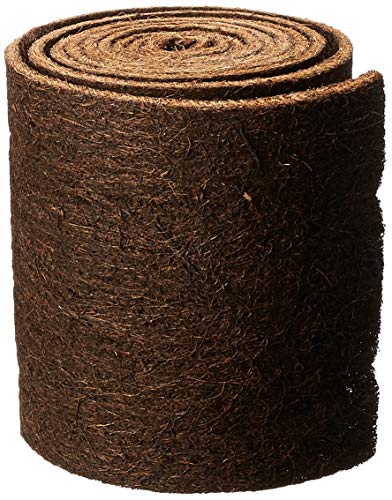
Bosmere Border Protection Edging Weed Mat, 10' x 9" Wide – Brown Landscape Fabric for Garden Beds, Pathways & Borders
- Targeted Weed Control: Prevents grass and weeds from spreading
- Durable Landscape Fabric: Weather-resistant and tear-resistant material
- Ideal Edging Size: 10-foot length, 9-inch width
As an affiliate, we earn on qualifying purchases.
As an affiliate, we earn on qualifying purchases.

50FT Black Corrugated Metal Landscape Edging – Flexible & Rustproof Garden Edging Border, Decorative Metal Trim for Flower Beds, Lawn, Driveway, Walkway & Raised Beds
- Material: Rustproof galvanized steel with black coating
- Weather Resistance: Suitable for all seasons and climates
- Flexibility: Bends to follow curves and corners
As an affiliate, we earn on qualifying purchases.
As an affiliate, we earn on qualifying purchases.