

Choosing the right smart thermostats for home can feel overwhelming given the sheer volume of options available. The Google Nest Smart Thermostat stands out as the best overall pick due to its seamless integration with Google Assistant and intuitive auto-scheduling. For those prioritizing ecosystem compatibility, the Amazon Smart Thermostat offers exceptional value for Alexa users, while the ecobee Smart Thermostat Premium excels in multi-room temperature sensing. The main tradeoff you will face is between ease of installation and advanced features like remote sensors or humidity control. This guide breaks down the specific strengths and weaknesses of each model to help you make an informed decision.

Get home appliances delivered free with Prime
- Fast, free delivery on millions of items
- Prime Video, Amazon Music and more included
- Member-only deals all year
Complete the kit



Key Takeaways
- Ecosystem lock-in is real: Google Nest models work best with Android/Google Home, while ecobee and Amazon models favor Alexa; mixing ecosystems often leads to reduced functionality.
- C-wire compatibility remains the biggest hurdle for DIY installation, with battery-powered options like the Honeywell Home T5 offering a workaround but requiring more frequent maintenance.
- Multi-room sensors significantly improve comfort in larger homes, making the ecobee Smart Thermostat Premium superior for two-story layouts compared to single-point controllers.
- Basic models like the Amazon Smart Thermostat sacrifice learning algorithms for price, making them ideal for renters or secondary properties where complex automation is unnecessary.
- Aesthetics and interface quality vary widely, with the Google Nest Learning Thermostat offering a premium metal design that justifies its higher price point for visible living spaces.
| Google Nest Smart Thermostat, Programmable Wi-Fi, Charcoal | 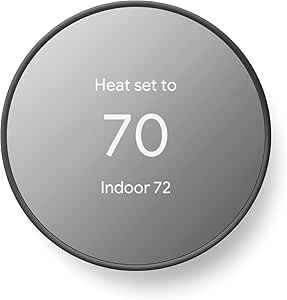 | Best for Straightforward Smart Scheduling | Color: Charcoal | Connectivity: Wi-Fi (2.4 GHz and 5 GHz), Bluetooth Low Energy | Display: 2-inch LCD | VIEW LATEST PRICE | See Our Full Breakdown |
| Google Nest Learning Thermostat (4th Gen) with Nest Temperature Sensor (2nd Gen), Obsidian |  | Best for Learning and Room-by-Room Comfort | Color and material: Polished Obsidian aluminum | Connectivity: Wi-Fi | Display: Touchscreen | VIEW LATEST PRICE | See Our Full Breakdown |
| Honeywell Home T5 Smart Wi-Fi Thermostat |  | Best for Custom Weekly Schedules | Model: RTH8800WF2022 | Connectivity: Wi-Fi | Display: 4.95-inch LCD touchscreen | VIEW LATEST PRICE | See Our Full Breakdown |
| ecobee Smart Thermostat Essential Wi-Fi Thermostat |  | Best for Broad HVAC Compatibility | Connectivity: Wi-Fi | Display: 3.74-inch LCD touchscreen | Power: Battery powered | VIEW LATEST PRICE | See Our Full Breakdown |
| Honeywell Home X2S Smart Wi-Fi Thermostat |  | Best for Matter-Compatible Setup | Model: RTH2SMC/N | Connectivity: Matter and Wi-Fi (2.4 or 5 GHz, 802.11 b/g/n) | Power: 24 VAC; C wire required | VIEW LATEST PRICE | See Our Full Breakdown |
| meross Matter Smart Thermostat for Electric Baseboard Heaters |  | Best for Electric Baseboard Heating | Brand: meross | Model: MTS215 | Compatibility: 120–240 V electric baseboard, convector, and fan-forced heaters | VIEW LATEST PRICE | See Our Full Breakdown |
| Google Nest Smart Thermostat, Programmable Wi-Fi, Fog |  | Best Balance of Features and Price | Color: Fog | Connectivity: Wi-Fi | System Compatibility: Approximately 85% of heating and cooling systems | VIEW LATEST PRICE | See Our Full Breakdown |
| Amazon Smart Thermostat |  | Best Value for Alexa Users | Model: S6ED3R | Compatibility: Most 24V HVAC systems | Connectivity: 2.4 GHz Wi-Fi only | VIEW LATEST PRICE | See Our Full Breakdown |
| Google Nest Thermostat – Smart Programmable Wi‑Fi Thermostat |  | Best for Google Ecosystem Integration | Power Source: Battery Powered | Voltage: 24 volts | Connectivity: Wi-Fi | VIEW LATEST PRICE | See Our Full Breakdown |
| Honeywell Home RTH9585WF1004 Wi-Fi Smart Color Thermostat |  | Best for Customizable Aesthetics | Model: RTH9585WF1004 | Display: Customizable color LED touchscreen | Power: AC power; C-wire required | VIEW LATEST PRICE | See Our Full Breakdown |
| ecobee Smart Thermostat Premium with Wi-Fi, Siri and Alexa, and SmartSensor |  | Best for Multi-Room Comfort | Connectivity: Wi-Fi | Voice Assistants: Siri and Alexa | Included Sensor: SmartSensor | VIEW LATEST PRICE | See Our Full Breakdown |
| Sensi Smart Wi-Fi Thermostat, ST55 |  | Best for Broad Smart Home Integration | Brand: Sensi | Model: ST55 | Connectivity: Wi-Fi | VIEW LATEST PRICE | See Our Full Breakdown |
| Amazon Smart Thermostat with Alexa and Ring Support, C-Wire Required, Pack of 2 | | Best Value Multi-Pack | Pack Size: 2 thermostats | Compatibility: Alexa and select Alexa devices; Ring | Wiring Requirement: C-wire required | VIEW LATEST PRICE | See Our Full Breakdown |
| ecobee Smart Thermostat Enhanced, Programmable Wi-Fi Thermostat |  | Best Balance of Features and Price | HVAC Compatibility: Compatible with 90% of HVAC systems | Connectivity: Wi-Fi | Voltage: 24 volts | VIEW LATEST PRICE | See Our Full Breakdown |
| Honeywell Home RTH9600WF Smart Color Thermostat – Wi‑Fi Programmable Touchscreen |  | Best for Aesthetic Customization | Model: RTH9600WF | Dimensions: 1″ D x 4.75″ W x 3.5″ H | Weight: 11.2 ounces | VIEW LATEST PRICE | See Our Full Breakdown |
| smart thermostats for home | Connectivity | Display | Power |
|---|---|---|---|
| Google Nest Smart Thermostat | Wi-Fi (2.4 GHz and 5 GHz), Bluetooth Low Energy | 2-inch LCD | Battery powered; 2 batteries included |
| Google Nest Learning Thermosta | Wi-Fi | Touchscreen | Battery powered; 1 CR2 battery included |
| Honeywell Home T5 Smart Wi-Fi | Wi-Fi | 4.95-inch LCD touchscreen | Corded electric |
| ecobee Smart Thermostat Essent | Wi-Fi | 3.74-inch LCD touchscreen | Battery powered |
| Honeywell Home X2S Smart Wi-Fi | Matter and Wi-Fi (2.4 or 5 GHz, 802.11 b/g/n) | — | 24 VAC; C wire required |
| meross Matter Smart Thermostat | Wi-Fi, Matter | — | — |
| Google Nest Smart Thermostat | Wi-Fi | — | Works without C-wire in most homes; some require accessory |
| Amazon Smart Thermostat | 2.4 GHz Wi-Fi only | — | C-wire or separate power adapter required |
| Google Nest Thermostat | Wi-Fi | 1.07-inch LCD | — |
| Honeywell Home RTH9585WF1004 W | Wi-Fi | Customizable color LED touchscreen | AC power; C-wire required |
| ecobee Smart Thermostat Premiu | Wi-Fi | — | — |
| Sensi Smart Wi-Fi Thermostat | Wi-Fi | 5-inch LED screen | — |
| Amazon Smart Thermostat with A | — | — | — |
| ecobee Smart Thermostat Enhanc | Wi-Fi | LCD, 4 inches | — |
| Honeywell Home RTH9600WF Smart | Wi‑Fi | — | — |
More Details on Our Top Picks
Google Nest Smart Thermostat, Programmable Wi-Fi, Charcoal
The Google Nest Smart Thermostat suits households that want app-based scheduling and automatic temperature adjustment without a learning-focused setup. Its auto-away feature can lower heating or cooling when the home is empty, while remote controls and HVAC alerts keep basic management within the Google Home app. Compared with the Nest Learning Thermostat (4th Gen), this model takes a more schedule-led approach and does not include a room sensor; it is a better fit if you do not need the thermostat to learn preferences or address hot and cold spots. The tradeoff is wiring uncertainty: some heat pumps, zone-controlled systems, and other setups may need a C wire or power accessory. I’d also skip it if dependable remote access matters where Wi-Fi is unreliable.
Pros:- Adjusts temperature when the home is unoccupied
- Remote control and scheduling through the Google Home app
- Compatible with voice assistants and smart home platforms
- Provides HVAC alerts and maintenance reminders
Cons:- Some systems may need a C wire or compatible power accessory
- Remote controls and notifications rely on an internet connection and Wi-Fi
- Does not include a room sensor for addressing temperature differences between rooms
Best for: Google Home households seeking remote control, scheduled temperature changes, and auto-away without a separate room sensor
Not ideal for: Homes with uncertain C-wire compatibility, weak Wi-Fi, or room-to-room temperature differences that call for a sensor
- Color:Charcoal
- Connectivity:Wi-Fi (2.4 GHz and 5 GHz), Bluetooth Low Energy
- Display:2-inch LCD
- Power:Battery powered; 2 batteries included
- Voltage:24 volts
- Mounting:Wall mount
- Controls:Google Home app, remote, and compatible voice assistants
- Compatible systems:Heating, cooling, and heat pumps
- Certification:ENERGY STAR
Our verdict“Choose this Nest for accessible app scheduling and auto-away, but pick the Nest Learning Thermostat if learning features and a room sensor matter more.”
Google Nest Learning Thermostat (4th Gen) with Nest Temperature Sensor (2nd Gen), Obsidian
The Nest Learning Thermostat (4th Gen) is the most comfort-focused Nest in this group: it learns household temperature preferences and includes a second-generation Nest Temperature Sensor to help manage hot and cold spots. That makes it a stronger choice than the standard Google Nest Smart Thermostat for homes where one central reading does not reflect comfort in bedrooms or other frequently used rooms. It also works with major voice ecosystems listed for the product, including Apple HomeKit, alongside Google and Alexa. The added automation and sensor flexibility bring more setup decisions than the simpler Nest, and smart features depend on completing setup in the Google Home app. Check HVAC compatibility before buying; broad 24V support does not mean every system is covered.
Pros:- Learns preferred temperatures and schedules
- Includes a second-generation temperature sensor
- Works with major voice and smart home platforms listed for the product
- C wire is not required in most homes
Cons:- HVAC compatibility still depends on the home’s system
- Some smart features require setup through the Google Home app
- Learning controls and sensor setup may be more than schedule-only households need
Best for: Households with uneven room temperatures that want a thermostat to learn routines and use a room sensor
Not ideal for: Buyers who want the simplest schedule-based control or do not want to configure smart features through the Google Home app
- Color and material:Polished Obsidian aluminum
- Connectivity:Wi-Fi
- Display:Touchscreen
- Power:Battery powered; 1 CR2 battery included
- Voltage:24 volts
- Mounting:Wall mount
- Temperature control:Heating and cooling
- Controller compatibility:Amazon Alexa, Android, Apple HomeKit, Google Assistant, and iOS
- Included accessory:Nest Temperature Sensor (2nd gen)
Our verdict“Choose this Nest when learning schedules and room-level temperature sensing justify more setup than the standard Google Nest offers.”
Honeywell Home T5 Smart Wi-Fi Thermostat
The Honeywell Home T5 is a good match for people who want direct control over a different routine each day, rather than relying on a thermostat to learn their habits. Its 7-day scheduling, geofencing, and vacation mode give more explicit routine control than the auto-scheduling emphasis of the ecobee Smart Thermostat Essential. The large LCD touchscreen also puts the schedule and settings on the wall, while app access and broad smart-home compatibility add remote flexibility. Those controls come with a wiring and system-compatibility check: a C-wire or adapter may be needed, and heating-only oil furnace systems require a C wire. I’d favor this over the Nest options when a manually shaped weekly program is the priority, but not for a system that falls outside its supported configurations.
Pros:- Seven-day scheduling supports different plans for each day
- Geofencing and auto-away can adjust temperatures around household routines
- Works with several major smart home platforms
- ENERGY STAR certified
Cons:- May need a C-wire power adapter
- Heating-only oil furnace systems require a C wire
- Schedule setup offers more manual control than a learning-based thermostat
Best for: Households with changing weekday and weekend routines that want explicit seven-day programming, geofencing, and vacation settings
Not ideal for: Homes with heating-only oil furnaces lacking a C wire, or buyers who want to avoid checking wiring and system compatibility
- Model:RTH8800WF2022
- Connectivity:Wi-Fi
- Display:4.95-inch LCD touchscreen
- Power:Corded electric
- Voltage:24 volts
- Features:7-day scheduling, geofencing, auto-away, fan control, and vacation mode
- Smart home compatibility:Amazon Alexa, Android, Apple HomeKit, Google Assistant, and iOS
- System compatibility:Most heat/cool oil furnace systems; heating-only oil furnace systems require a C wire
- Certification:ENERGY STAR
Our verdict“Pick the T5 if you want detailed weekly programming and geofencing, provided your HVAC system and wiring are compatible.”
ecobee Smart Thermostat Essential Wi-Fi Thermostat
The ecobee Smart Thermostat Essential stands out for the range of 24 VAC equipment it is designed to support, including boilers, heat pumps, and dual-fuel systems. That flexibility can make it a better starting point than the Honeywell Home T5 for homes with varied HVAC equipment, though buyers still need to check their exact wiring and system. Its touchscreen, app control, auto-away, and scheduling cover everyday comfort needs, while indoor humidity detection adds useful context beyond temperature alone. The tradeoff is that some pieces are separate: the Power Extender Kit and trim kit are sold separately, and adding room sensing requires a separately sold SmartSensor. Its eco+ energy features provide schedule and usage tools, but this is not the pick for shoppers seeking an included remote sensor.
Pros:- Supports many 24 VAC systems, including gas, oil, electric, dual fuel, forced air, heat pumps, and boilers
- Touchscreen and app control provide on-device and remote adjustments
- Auto-away and auto-scheduling help manage routine temperature changes
- Works with Apple HomeKit, Google Assistant, and Amazon Alexa
Cons:- Power Extender Kit and trim kit are sold separately
- SmartSensor is sold separately
- Compatibility depends on the home’s HVAC system
Best for: Owners of compatible 24 VAC systems, including boilers or dual-fuel setups, who want app control and flexible scheduling
Not ideal for: Buyers who need an included room sensor or want the Power Extender Kit and trim kit included
- Connectivity:Wi-Fi
- Display:3.74-inch LCD touchscreen
- Power:Battery powered
- Mounting:Wall mount
- Material:Plastic
- Compatible systems:Most 24 VAC HVAC equipment, including gas, oil, electric, dual fuel, forced air, heat pumps, and boilers
- Smart home compatibility:Apple HomeKit, Google Assistant, and Amazon Alexa
- Features:Auto-away, auto-scheduling, fan control, indoor humidity detection, and time-of-use scheduling
- System compatibility claim:Compatible with 85% of systems, according to the product description
Our verdict“Choose the ecobee Essential for broad supported HVAC types and app-based scheduling, but budget for separate accessories if your setup needs them.”
Honeywell Home X2S Smart Wi-Fi Thermostat
The Honeywell Home X2S is the clearest pick here for buyers who want a Matter-certified thermostat with flexible platform support. It connects with Alexa, Google Assistant, and Apple HomeKit, while scheduling options ranging from a seven-day plan to a non-programmable setting suit households with different levels of routine. Compared with the Honeywell Home T5, the X2S adds Matter and interchangeable white and gray accents, but it is less forgiving at installation: a C wire is required. Its compatibility is also defined by specific conventional and heat-pump configurations, and it does not support 120–240 V electric baseboard heat. Auto-away and filter reminders add practical everyday help, though this is not a fit for buyers who need broad, unspecified system compatibility.
Pros:- Matter-certified with Alexa, Google Assistant, and Apple HomeKit support
- Offers several scheduling formats, including seven-day and non-programmable modes
- Auto-away and filter reminders support routine HVAC management
- Includes interchangeable white and gray accent pieces
Cons:- Requires a C wire
- Does not support 120–240 V electric baseboard heat
- Compatible system configurations are limited to the listed conventional and heat-pump setups
Best for: Smart-home households with a compatible conventional or heat-pump system and an existing C wire that want Matter support
Not ideal for: Homes with electric baseboard heat, no C wire, or HVAC equipment outside the listed system configurations
- Model:RTH2SMC/N
- Connectivity:Matter and Wi-Fi (2.4 or 5 GHz, 802.11 b/g/n)
- Power:24 VAC; C wire required
- Display and control:LCD; app and buttons
- Conventional system compatibility:Up to 2 heat/2 cool
- Heat-pump compatibility:Up to 2 heat/1 cool with electric backup
- Scheduling:7-day, 5-1-1, 5-2, 1-week, or non-programmable
- Features:Auto-away, filter reminders, and optional humidity display
- Not compatible with:Electric baseboard heat (120–240 V)
Our verdict“Choose the X2S for Matter and flexible scheduling if your system matches its limits and a C wire is already available.”
meross Matter Smart Thermostat for Electric Baseboard Heaters
This thermostat fills a specific gap that most mainstream models like the Google Nest Thermostat ignore: controlling high-voltage electric baseboard heaters. While the Nest requires a 24V system, the meross MTS215 is engineered specifically for 120–240 V electric heating, making it one of the few reliable options for apartments or older homes without central HVAC. Its integration with Matter ensures broad compatibility with Apple Home, Google Home, and Alexa, avoiding the ecosystem lock-in seen in some proprietary alternatives. However, its niche focus is also its limitation; if you have a standard gas furnace or heat pump, this unit is physically incompatible and will not function. It lacks the advanced learning algorithms of premium units, relying instead on manual scheduling and energy monitoring to drive efficiency.
Pros:- Specifically designed for 120–240V electric baseboard heaters
- Full Matter compatibility works with Apple, Google, and Alexa ecosystems
- Includes open-window detection to pause heating and save energy
- Real-time energy monitoring helps track consumption costs
Cons:- Incompatible with standard 24V HVAC systems and heat pumps
- Lacks advanced learning algorithms found in premium models
- Limited to electric heating applications only
Best for: Homeowners with 120–240V electric baseboard, convector, or fan-forced heaters who need Matter-compatible smart control.
Not ideal for: Anyone with standard 24V central HVAC systems, heat pumps, or air conditioning units.
- Brand:meross
- Model:MTS215
- Compatibility:120–240 V electric baseboard, convector, and fan-forced heaters
- Connectivity:Wi-Fi, Matter
- Smart Home Support:Alexa, Apple Home, Google Home, SmartThings
- Key Features:Scheduling, energy monitoring, open-window detection
- Power Source:Corded electric (120–240V)
- Color:Black
Our verdict“Choose this if you have electric baseboard heaters and want modern smart home integration without replacing your heating infrastructure.”
Google Nest Smart Thermostat, Programmable Wi-Fi, Fog
The Google Nest Thermostat in Fog strikes a compelling balance between the basic functionality of the Amazon Smart Thermostat and the premium automation of the Nest Learning Thermostat. It offers ENERGY STAR certification and automatic savings features, such as turning down the heat when you leave, which the Amazon model lacks. The Google Home app provides a clean interface for scheduling and remote control, though it requires a stable Wi-Fi connection for full functionality. Unlike the Honeywell RTH9585WF1004, it does not require a C-wire in most installations, simplifying DIY setup. However, the design is more utilitarian than the sleek, circular Nest Learning models, and advanced features like humidity control are absent, making it a practical rather than luxurious choice.
Pros:- ENERGY STAR certified with automatic away detection
- Easy installation in most homes without a C-wire
- Seamless integration with Google Home and Alexa ecosystems
- Includes HVAC alerts and maintenance reminders
Cons:- Some systems require a C-wire or power accessory
- No humidity sensing or advanced air quality features
- Dependent on internet connectivity for remote control
Best for: Users with standard 24V HVAC systems who want smart features and energy savings without the premium price tag.
Not ideal for: Those with complex multi-stage HVAC systems requiring C-wire power accessories or users seeking a premium display aesthetic.
- Color:Fog
- Connectivity:Wi-Fi
- System Compatibility:Approximately 85% of heating and cooling systems
- Power:Works without C-wire in most homes; some require accessory
- Certification:ENERGY STAR
- Control:Google Home app, voice assistants
- Installation Time:Typically 30 minutes or less
Our verdict“This is the go-to choice for most homeowners wanting reliable smart heating and cooling with minimal installation hassle.”
Amazon Smart Thermostat
The Amazon Smart Thermostat is the most affordable entry point into smart heating, significantly undercutting the Google Nest Thermostat on price while delivering core functionality. It integrates deeply with the Alexa app and Echo devices, allowing for voice control and scheduling that is surprisingly robust for the cost. However, it lacks the sophisticated learning algorithms of Google’s offerings and does not support 5 GHz Wi-Fi, which can be a bottleneck in crowded networks. Unlike the Honeywell Home RTH9585WF1004, it has no touchscreen display, relying entirely on the app or voice commands. It is a utilitarian device designed for users who already live in the Alexa ecosystem and want to automate their heating without investing in premium hardware.
Pros:- Lowest cost of entry for major brand smart thermostats
- Deep integration with Alexa app and Echo devices
- Includes indoor humidity sensing and energy dashboard
- Compact design fits standard wall plates
Cons:- No on-device touchscreen; relies on app or voice
- Requires a C-wire or separate power adapter
- Only supports 2.4 GHz Wi-Fi, not 5 GHz
Best for: Budget-conscious homeowners already invested in Alexa who need basic scheduling and remote control.
Not ideal for: Users who prefer on-device touch interfaces or those with 5 GHz-only Wi-Fi networks.
- Model:S6ED3R
- Compatibility:Most 24V HVAC systems
- Connectivity:2.4 GHz Wi-Fi only
- Power:C-wire or separate power adapter required
- Control:Alexa app, voice, touch buttons
- Dimensions:3.56 x 3.56 x 0.84 inches
- Certifications:ENERGY STAR, ECOLOGO Gold
Our verdict“An excellent budget option for Alexa households who prioritize price over display aesthetics or advanced learning features.”
Google Nest Thermostat – Smart Programmable Wi‑Fi Thermostat
While functionally similar to the Fog model, this specific iteration of the Google Nest Thermostat emphasizes its battery-powered design and broad compatibility with Google Assistant and Alexa. It serves as a strong alternative to the Honeywell Home RTH9585WF1004 for users who want automatic energy-saving adjustments without the complexity of C-wire installations. The Google Home app offers superior insight into energy usage compared to many competitors, providing clear reports and suggestions. However, the reliance on batteries means periodic maintenance, and the small 1.07-inch LCD screen offers limited visibility from across the room. It is a solid performer for standard 24V systems, but lacks the advanced air quality monitoring found in the ecobee Smart Thermostat Premium.
Pros:- Automatic away detection saves energy when home is empty
- No C-wire required in most standard installations
- Strong integration with Google Assistant and Alexa
- ENERGY STAR certified for proven efficiency
Cons:- Battery-powered design requires periodic replacement
- Small LCD screen is difficult to read from a distance
- Limited on-device controls compared to touchscreen models
Best for: Users with 24V systems who want automatic energy savings and strong Google Assistant integration.
Not ideal for: Those who dislike battery replacements or need large, readable displays for manual adjustments.
- Power Source:Battery Powered
- Voltage:24 volts
- Connectivity:Wi-Fi
- Display:1.07-inch LCD
- Control:Voice, App, Button
- System Compatibility:Heat pumps and standard HVAC
- Certification:ENERGY STAR
Our verdict“A reliable, low-maintenance option for Google-centric homes seeking automatic energy savings without wiring headaches.”
Honeywell Home RTH9585WF1004 Wi-Fi Smart Color Thermostat
The Honeywell RTH9585WF1004 distinguishes itself with a customizable color touchscreen, a feature largely absent in the minimalist designs of the Amazon Smart Thermostat and Google Nest Thermostat. This model appeals to users who want their thermostat to match their home décor, offering various color themes and fonts. It supports a wider range of heating systems, including steam and hot water, making it more versatile than many modern smart-only units. However, it strictly requires a C-wire, which can complicate installation in older homes compared to the battery-powered Nest options. While it offers flexible scheduling, its app interface feels less modern than the polished Google or Alexa ecosystems, and it lacks the automatic learning capabilities of premium models.
Pros:- Customizable color touchscreen with multiple themes
- Supports steam, hot water, and forced-air systems
- Flexible scheduling with temporary and vacation holds
- Includes equipment maintenance alerts
Cons:- Mandatory C-wire installation can be difficult in older homes
- App interface is less intuitive than Google or Alexa counterparts
- No automatic learning or geofencing features
Best for: Homeowners with diverse heating systems (steam, hot water) who prioritize visual customization and on-device touch control.
Not ideal for: Those without a C-wire available or users who prefer minimalist, app-first control schemes.
- Model:RTH9585WF1004
- Display:Customizable color LED touchscreen
- Power:AC power; C-wire required
- Compatibility:Forced-air, hot water, steam, heat pumps
- Connectivity:Wi-Fi
- Voice Assistants:Alexa, Google Home
- Certification:ENERGY STAR
Our verdict“Ideal for those who want a visually striking thermostat with broad system compatibility and are willing to handle C-wire installation.”
ecobee Smart Thermostat Premium with Wi-Fi, Siri and Alexa, and SmartSensor
This model stands out because it includes a SmartSensor in the box, addressing the common frustration of uneven heating in multi-story homes. Unlike the ecobee Smart Thermostat Enhanced, which requires buying sensors separately, the Premium comes ready to monitor specific rooms immediately. It also features a built-in air quality monitor, providing alerts for VOCs and CO2 that most competitors lack. The screen offers Spotify integration, turning the thermostat into a minor media hub. However, this feature-rich experience comes with complexity; Siri integration demands an Apple Home Hub, and certain security features are behind a subscription. It is a premium choice for those who want detailed environmental data rather than just basic temperature control.
Pros:- Included SmartSensor enables immediate room-by-room temperature balancing
- Built-in air quality monitor tracks VOCs, CO2, and humidity
- Supports audio streaming for Spotify and podcasts directly via the screen
Cons:- Siri voice control requires a separate Apple Home Hub purchase
- Advanced security and smart features may require a paid subscription
- Higher complexity than basic models like the Amazon Smart Thermostat
Best for: Homeowners with multi-story layouts or rooms that consistently run too hot or too cold.
Not ideal for: Users who want a simple, subscription-free experience without extra hardware complexity.
- Connectivity:Wi-Fi
- Voice Assistants:Siri and Alexa
- Included Sensor:SmartSensor
- HVAC Compatibility:95% of HVAC systems
- Energy Certification:ENERGY STAR
- Air Quality Monitor:Built-in
- Installation Accessories:Power Extender Kit and trim kit
- Warranty:3 years
Our verdict“Choose this if you need precise room-by-room comfort and air quality monitoring without buying extra sensors.”
Sensi Smart Wi-Fi Thermostat, ST55
The Sensi ST55 is my pick for users invested in diverse smart home ecosystems beyond just Amazon or Google. It supports Apple HomeKit, SmartThings, and Vera, offering wider compatibility than the Amazon Smart Thermostat, which locks users into Alexa. The device features a 5-inch LED screen and a built-in level, simplifying the DIY installation process significantly. While it lacks the advanced occupancy sensing of the ecobee Smart Thermostat Enhanced, its strength lies in its flexibility and app-driven maintenance reminders. It does not require a C-wire in most applications, making it accessible for older homes. However, the plastic build feels less premium than metal-bodied competitors, and the interface can feel slightly dated compared to newer touchscreen models.
Pros:- Supports a wide range of platforms including HomeKit and SmartThings
- Built-in level and clear app instructions streamline DIY installation
- Does not typically require a C-wire for standard installations
Cons:- Plastic construction feels less durable than premium metal alternatives
- Lacks built-in occupancy sensing found in ecobee models
- Interface design appears dated compared to modern touchscreens
Best for: Users with mixed smart home platforms who need broad voice assistant and hub compatibility.
Not ideal for: Those seeking advanced AI learning or built-in occupancy sensors without extra purchases.
- Brand:Sensi
- Model:ST55
- Connectivity:Wi-Fi
- Compatibility:Amazon Alexa, Apple HomeKit, Google Assistant, SmartThings, Vera
- Voltage:24 volts AC
- Display:5-inch LED screen
- Controls:Buttons, app, touch, voice
- Compatible Systems:Air conditioner, boiler, furnace, heat pump
- C-wire:Not required in most applications
Our verdict“Ideal for tech enthusiasts who want a thermostat that plays nicely with multiple smart home ecosystems.”
Amazon Smart Thermostat with Alexa and Ring Support, C-Wire Required, Pack of 2
This two-pack offers exceptional value for landlords or homeowners managing multiple units. Built on Honeywell Home technology, it provides reliable core functionality without the premium price tag of the Google Nest Learning Thermostat. The integration with Ring and Alexa allows for presence detection that automatically adjusts settings when you leave or arrive, a feature that saves energy without manual input. The guided installation via the Alexa app is straightforward, though it strictly requires a C-wire. This is a significant barrier for older homes that lack this extra wire. Unlike the Sensi ST55, it does not support broad third-party platforms, keeping it firmly within the Amazon ecosystem. It is a no-frills, reliable choice for those already deep in the Amazon smart home world.
Pros:- Two-pack pricing provides significant savings for multi-unit installations
- Seamless integration with Ring devices for automatic presence detection
- ENERGY STAR certification ensures verified energy savings potential
Cons:- Strictly requires a C-wire, excluding many older HVAC systems
- Limited compatibility outside the Amazon Alexa and Ring ecosystem
- Basic feature set lacks advanced learning or room-by-room sensing
Best for: Landlords or homeowners needing multiple thermostats for consistent, Alexa-controlled environments.
Not ideal for: Homes without an existing C-wire or users who prefer non-Amazon smart home ecosystems.
- Pack Size:2 thermostats
- Compatibility:Alexa and select Alexa devices; Ring
- Wiring Requirement:C-wire required
- Control:Alexa app, schedules, and automatic temperature adjustment
- Installation:Do-it-yourself, guided by the Alexa app
- Technology:Honeywell Home thermostat technology
- Energy Savings:ENERGY STAR certified
Our verdict“The most cost-effective solution for outfitting multiple rooms or properties with reliable Alexa-enabled control.”
ecobee Smart Thermostat Enhanced, Programmable Wi-Fi Thermostat
The ecobee Enhanced hits the sweet spot for those who want advanced automation without the premium cost of the Premium model. It features occupancy sensing and humidity adjustment, allowing it to react to your home’s conditions automatically. Compared to the Honeywell Home RTH9600WF, the ecobee offers superior smart home integration with Apple HomeKit and SmartThings. While it includes the Power Extender Kit for C-wire-free installation, it lacks the built-in air quality monitor and speaker found in the Premium version. Room-by-room comfort is possible but requires purchasing SmartSensors separately. This makes it a flexible foundation that can grow with your needs, rather than an all-in-one solution. It is ideal for users who prioritize smart automation over audio or air quality features.
Pros:- Automatic temperature adjustment based on occupancy and humidity levels
- Includes Power Extender Kit for easy installation in older homes
- Wide compatibility with Alexa, Google Assistant, HomeKit, and SmartThings
Cons:- SmartSensors for room-by-room control must be purchased separately
- Lacks the air quality monitoring and speaker of the Premium model
- HVAC compatibility should be verified before purchase to ensure fit
Best for: Users who want automated comfort and broad smart home support without paying for audio features.
Not ideal for: Those who need immediate room-by-room control without buying additional sensors.
- HVAC Compatibility:Compatible with 90% of HVAC systems
- Connectivity:Wi-Fi
- Voltage:24 volts
- Display:LCD, 4 inches
- Control:App and voice assistant
- Included Accessories:Power Extender Kit (PEK) and Trim Kit
- Smart Home Compatibility:Amazon Alexa, Google Assistant, Apple HomeKit, SmartThings
- Warranty:3 years
Our verdict“A versatile middle-ground option that offers smart automation and C-wire flexibility at a reasonable price.”
Honeywell Home RTH9600WF Smart Color Thermostat – Wi‑Fi Programmable Touchscreen
This thermostat distinguishes itself with a customizable color touchscreen that can match your interior décor, a feature absent in the utilitarian designs of the Sensi ST55 or ecobee Enhanced. It uses Smart Response technology to learn your comfort preferences and adjust heating or cooling cycles accordingly. While it supports major voice assistants like Alexa and Google, it lacks the deep ecosystem integration of the Amazon Smart Thermostat or ecobee models. The requirement for a C-wire or power adapter limits its accessibility for older homes. Additionally, it is not compatible with electric baseboard heating, a niche but important consideration for some users. It is a stylish choice for those who value visual appeal and basic smart learning over complex sensor networks.
Pros:- Customizable color touchscreen allows the display to match home décor
- Smart Response technology learns comfort preferences for efficient cycling
- ENERGY STAR certified with smart alerts and automatic daylight savings updates
Cons:- Not compatible with electric baseboard heating systems
- Requires a C-wire or additional power adapter for installation
- Battery-powered operation requires periodic AAA battery replacement
Best for: Design-conscious homeowners who want a thermostat that visually blends with their wall décor.
Not ideal for: Homes with electric baseboard heating or those lacking a C-wire and willing to buy an adapter.
- Model:RTH9600WF
- Dimensions:1″ D x 4.75″ W x 3.5″ H
- Weight:11.2 ounces
- Power Source:Battery Powered (1 AAA battery)
- Connectivity:Wi‑Fi
- Display Type:LCD Color Touchscreen
- Compatibility:Forced air, hot water, steam, heat pumps; not electric baseboard
- C-Wire Required:Yes
Our verdict“Perfect for users who prioritize visual customization and basic smart learning over advanced sensor integration.”

How We Picked
I evaluated these 15 models based on compatibility with common HVAC systems, ease of installation, and the depth of smart features. Priority was given to units that offer reliable Wi-Fi connectivity and robust app interfaces, as these are critical for daily usability. I also considered the availability of remote sensors, which are essential for eliminating hot and cold spots in larger homes.
Ranking logic favored value and reliability over novelty. Models with widespread user support and clear documentation ranked higher than niche brands. I also penalized devices that require proprietary hubs or have limited voice assistant support, ensuring the recommendations remain accessible to the average homeowner without specialized technical knowledge.
Factors to Consider When Choosing Smart Thermostats For Home
Before clicking buy, you must assess your home’s infrastructure. A smart thermostat is only as good as its integration with your existing heating and cooling equipment. Here are the critical factors that dictate which model will actually work in your house.
Check Your HVAC Wiring
The most common reason a smart thermostat fails to install is a missing common wire, or C-wire. This wire provides continuous power to the thermostat, allowing it to maintain a Wi-Fi connection. While some models like the Honeywell Home T5 can run on batteries, they may drain quickly or lose connection. If you lack a C-wire, you will need to purchase a separate adapter kit or hire an electrician, which adds to the total cost. Always verify your wiring type before purchasing to avoid frustration.
Ecosystem Compatibility
Most smart thermostats work with multiple voice assistants, but integration depth varies. The Google Nest series offers the deepest integration with Google Home, including presence detection based on phone location. ecobee and Amazon models tend to have better Alexa integration. If you already have a smart home hub, choose a thermostat that matches that ecosystem to avoid conflicting automations. Mixing ecosystems often results in fragmented control and slower response times.
Sensor Needs for Large Homes
A single thermostat measures the temperature only where it is installed. In multi-story homes, this often means the living room is comfortable while the bedrooms are too hot or cold. Models like the ecobee Smart Thermostat Premium include remote sensors that you can place in specific rooms. The thermostat then averages the temperature or prioritizes the room where you are spending time. If you have a large or unevenly heated home, investing in a model with sensor support is worth the extra cost.
Learning vs. Programmable Schedules
There is a distinct difference between learning thermostats and programmable ones. Learning models, like the Google Nest Learning Thermostat, observe your habits and automatically create a schedule. Programmable models, such as the Honeywell Home RTH9585WF, require you to manually set specific times for temperature changes. Learning models are better for households with unpredictable schedules, while programmable models offer more precise control for those with rigid routines. Choose based on your willingness to manage settings manually.
Aesthetics and Display Quality
Since the thermostat is often mounted in a visible area, the design matters. The Google Nest Learning Thermostat features a circular, metal display that many homeowners prefer for its modern look. In contrast, the Amazon Smart Thermostat has a simpler, square interface that blends in but lacks visual flair. Consider whether the device will be a focal point in your hallway or tucked away in a utility closet. A better display also makes manual adjustments easier without opening the app.
Frequently Asked Questions
Do I really need a smart thermostat if I already have a programmable one?
You likely do not need one if your current programmable thermostat already meets your comfort and energy goals. Smart thermostats offer conveniences like remote control via smartphone and geofencing, which adjusts the temperature based on your location. However, if you rarely leave your home or prefer manual control, a basic programmable model is sufficient. The primary benefit of a smart thermostat is automated optimization, which may not yield significant savings if your schedule is already rigid and well-managed.
What happens if my Wi-Fi goes out?
Most smart thermostats will continue to operate using the last saved schedule even when disconnected from the internet. You can still adjust the temperature manually on the device itself. However, you will lose access to remote control features, voice commands, and software updates until the connection is restored. Some models may also stop sending energy usage reports. This limitation is rarely a dealbreaker, as the core heating and cooling functions remain intact during outages.
Can I install a smart thermostat on a high-voltage system?
No, most consumer smart thermostats are designed for low-voltage systems, which are standard in central air and heating. High-voltage systems, often found in older homes with baseboard heaters, use 120V or 240V power. Installing a low-voltage thermostat on a high-voltage system is dangerous and can damage the unit or create a fire hazard. You must use a thermostat specifically designed for line voltage, such as the meross Matter Smart Thermostat, or hire a professional to install a transformer.
Will a smart thermostat actually save me money on energy bills?
While manufacturers claim savings of 10-15%, actual results vary widely based on your climate and habits. The savings come primarily from avoiding heating or cooling an empty house. If you work from home and keep the thermostat set constantly, you may see little to no difference. The most significant savings occur in households with irregular schedules who often forget to adjust the temperature. Energy reports in the app can help you identify wasteful patterns, but hardware alone does not guarantee lower bills.
Is it worth buying a thermostat with built-in air quality sensors?
Built-in air quality sensors are useful if you have allergies or live in an area with poor outdoor air quality. Models like the ecobee Smart Thermostat Premium can detect VOCs and carbon dioxide, prompting ventilation when levels rise. However, these sensors are not medical-grade and should not replace a dedicated air purifier or monitor. If your primary concern is temperature control, the added cost for air quality features may not be justified unless you have specific health needs.
Conclusion
Selecting the right smart thermostats for home depends largely on your existing smart home ecosystem and housing situation. The Google Nest Smart Thermostat remains the best overall choice for its balance of design, functionality, and ease of use. For budget-conscious buyers or renters, the Amazon Smart Thermostat provides essential smart features without the premium price tag. Those with complex HVAC needs or large homes should look to the ecobee Smart Thermostat Premium for its superior sensor integration. Finally, the Honeywell Home T5 serves as a solid entry-level option for those new to smart home technology who want a straightforward, no-fuss experience.