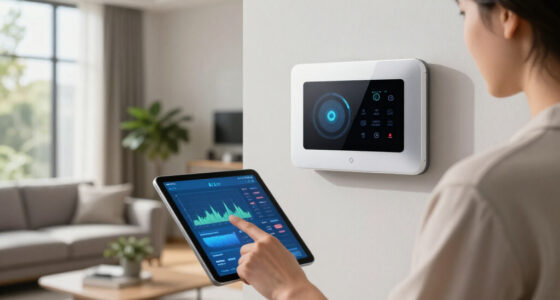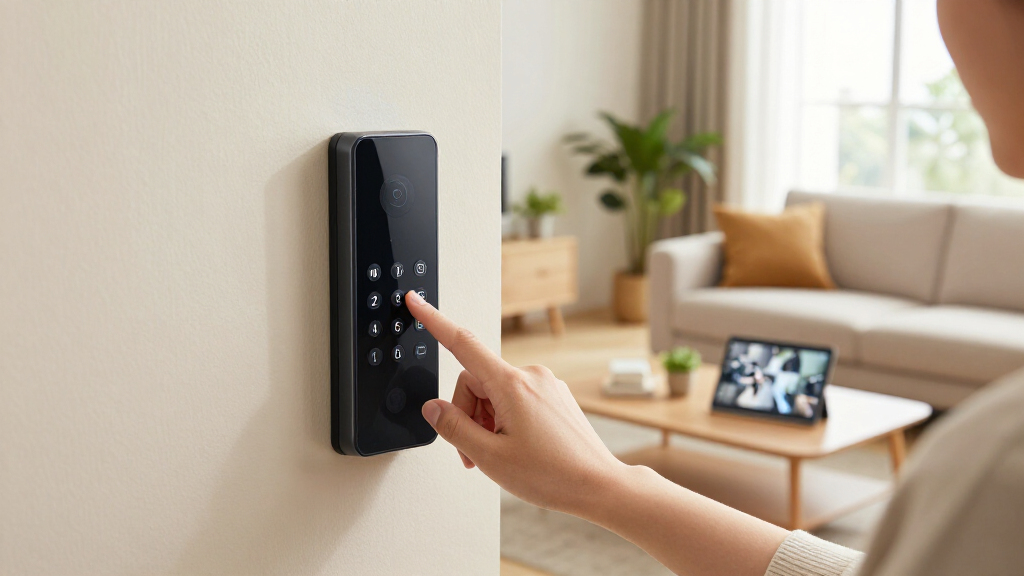

Smart home security systems now split into two camps: subscription-backed ecosystems like Ring and ADT that offer professional monitoring and polished apps, and no-monthly-fee DIY kits that trade convenience for long-term savings. My top pick is the Ring Alarm 14-Piece Kit, which balances reliable performance, Alexa integration, and affordable optional monitoring better than anything else in this lineup. For budget buyers who refuse to pay recurring fees, the 15-Piece WiFi DIY Kit delivers surprising sensor coverage at a fraction of the cost, while Eufy’s 5-Piece Kit is the cleanest entry point for small homes. The main tradeoffs come down to monthly costs versus monitoring quality, ecosystem lock-in, and how much installation effort you’re willing to take on. Read on for the full breakdown of all eight systems.

Get home appliances delivered free — and shop member deals
- Fast, free delivery on millions of items
- Access to Prime Big Deal Days deals on October 6–7
- Prime Video, Amazon Music and more included
Complete the kit


Key Takeaways
- Subscription-free kits (the 15-piece, 24-piece, and 21-piece WiFi systems) dominate on raw hardware value, but their apps, sensor reliability, and customer support lag well behind Ring and Eufy.
- Ring‘s two kits differ mainly in coverage scale: the 14-piece kit suits most homes, while the 8-piece kit only makes sense for apartments or as a business add-on where fewer entry points exist.
- ADT Blu is the only option here with a credible path to professional installation and monitoring, but it costs the most over a three-year horizon unless you value live human response.
- Eufy’s 5-piece kit wins for beginners because of its local storage approach and minimal setup friction, though its small sensor count limits it to apartments or single-floor homes.
- The 24-piece GSM/4G touch-screen kit stands out for rural properties or homes with unreliable internet, since it keeps working over cellular networks where WiFi-only kits fail.
| Ring Alarm 8-Piece Kit (Newest Model) Home and Business Security System |  | Best Overall | Includes: Base station, keypad, 4 contact sensors, motion detector, range extender | Suitable for: 1-2 bedroom homes | Connectivity: Wi-Fi | VIEW LATEST PRICE | See Our Full Breakdown |
| 15-Piece WiFi Home Security System DIY Wireless Alarm Kit No Subscription |  | Best Value | Sensors Included: 10 door sensors, 1 motion sensor | Remote Controls: 2 | Base Station: 1 | VIEW LATEST PRICE | See Our Full Breakdown |
| WiFi Wireless Home Security Alarm System with 4.3″ Touch Screen, GSM/4G, Alexa Compatibility, No Monthly Fees, 24 pcs |  | Best for Large Homes | Connectivity: WiFi (2.4GHz) + 4G cellular | Display: 4.3-inch color touch screen | Sensors Included: 5 PIR motion detectors, 10 door/window alarms | VIEW LATEST PRICE | See Our Full Breakdown |
| Ring Alarm 14-Piece Kit (Newest Model) – Wireless Smart Home Security System |  | Best for Whole-Home Monitoring | Included Components: Base station, 2 keypads, 8 contact sensors, 2 motion detectors, range extender | Suitable for: 2-4 bedroom homes | Compatibility: Alexa, Ring app | VIEW LATEST PRICE | See Our Full Breakdown |
| Home Security System Wireless, Smart WiFi Alarm Kit with Sensors, Siren, Remote, App Alerts, Compatible with Alexa & Google Home |  | Best Compact Starter | Included Sensors: 4 door/window magnetic sensors | Siren Volume: 120dB | Wireless Frequency: 433MHz | VIEW LATEST PRICE | See Our Full Breakdown |
| ADT Blu Home Security System Starter Kit, DIY Wireless Alarm |  | Best for Professional Monitoring | Includes: 1 base hub, 3 door/window sensors, 1 pet-friendly motion sensor, yard sign, 4 window stickers | Monitoring: No long-term contracts; month-to-month plans | Installation: Screws or adhesive tape, no wiring required | VIEW LATEST PRICE | See Our Full Breakdown |
| Eufy Security 5-Piece Home Alarm Kit, Home Security System |  | Best Fee-Free Starter | Includes: HomeBase, keypad, motion sensor, 2 entry sensors, owner’s manual, Happy Card | Number of Entry Sensors: 2 | Setup: Easy DIY installation, no professional help needed | VIEW LATEST PRICE | See Our Full Breakdown |
| WiFi Wireless Home Alarm System, 21 Pcs, Alexa-Compatible, No Monthly Fees |  | Best Value for Whole-Home Coverage | Pieces Included: 21 pcs | Connectivity: 2.4GHz Wi-Fi (no SIM card, no monthly fees) | Compatible Devices: Amazon Alexa, Smart Life, Tuya | VIEW LATEST PRICE | See Our Full Breakdown |
| smart home security system | Connectivity | Siren Volume |
|---|---|---|
| Ring Alarm 8-Piece Kit | Wi-Fi | — |
| 15-Piece WiFi Home Security Sy | WiFi (2.4GHz only) | 120dB |
| WiFi Wireless Home Security Al | WiFi (2.4GHz) + 4G cellular | 120dB |
| Ring Alarm 14-Piece Kit | Wi-Fi | — |
| Home Security System Wireless | — | 120dB |
| ADT Blu Home Security System S | — | — |
| Eufy Security 5-Piece Home Ala | — | — |
| WiFi Wireless Home Alarm Syste | 2.4GHz Wi-Fi (no SIM card, no monthly fees) | 120 dB audible alarm with push notifications |
More Details on Our Top Picks
Ring Alarm 8-Piece Kit (Newest Model) Home and Business Security System
This kit earns the top spot because it balances polished app experience, reliable hardware, and a clear upgrade path better than anything else here. The base station, keypad, four contact sensors, motion detector, and range extender cover a 1–2 bedroom home out of the box, and optional 24/7 professional monitoring is available when priorities change. Compared with the 15-Piece WiFi kit below, Ring’s ecosystem feels more mature — notifications are faster, the app is cleaner, and accessories like cameras and doorbells snap in seamlessly. The tradeoff is real, though: remote arming and professional monitoring sit behind a Ring Protect subscription, while the budget alternatives charge nothing monthly. This pick makes the most sense for buyers who value long-term ecosystem depth over zero recurring costs.
Pros:- Class-leading app with instant mobile notifications and remote arming
- Seamless expansion with Ring cameras, doorbells, and extra sensors
- Optional 24/7 professional monitoring for genuine emergency response
- Solid Alexa voice control integration
Cons:- Remote arming and app control require a paid Ring Protect subscription
- Extra sensors and accessories add up quickly beyond the included set
Best for: Owners of small homes or apartments who want an expandable, professionally monitored system they can grow into over years
Not ideal for: Buyers who refuse any monthly fees — core smart features and monitoring require a paid Ring Protect plan
- Includes:Base station, keypad, 4 contact sensors, motion detector, range extender
- Suitable for:1-2 bedroom homes
- Connectivity:Wi-Fi
- Compatibility:Ring Protect Plan, Alexa
- Professional Monitoring:Optional, 24/7 via subscription
- Pieces:8
Our verdict“The safest long-term choice for small-home buyers who want a monitored, expandable security ecosystem and accept a subscription for it.”
15-Piece WiFi Home Security System DIY Wireless Alarm Kit No Subscription
For pure dollars-per-sensor value, nothing in this lineup competes. You get a base station, ten door sensors, a motion sensor, two remotes, and a 120dB siren — roughly double the sensor count of the Ring 8-Piece kit at a lower price, with zero monthly fees. The catch is that it stays local: there’s no professional monitoring option, no cellular backup, and it only connects to 2.4GHz Wi-Fi, so a power or internet outage leaves it blind. Compared with Ring, the app experience is more basic and alerts feel less refined, but for renters and budget-conscious owners who mainly want a loud deterrent and phone alerts, this option stands out for doing the fundamentals without a subscription hanging over your head.
Pros:- Ten door sensors included — far more coverage per dollar than brand-name kits
- No subscription fees for app control or alerts
- Expandable to 20 sensors and 5 remotes
- Works with Alexa for basic voice control
Cons:- 2.4GHz-only Wi-Fi with no cellular or professional monitoring fallback
- App and alert experience are noticeably rougher than Ring’s
Best for: Renters and first-time buyers who want maximum sensor coverage and loud deterrence without recurring costs
Not ideal for: Homeowners who want professional monitoring or cellular backup during outages — neither is offered here
- Sensors Included:10 door sensors, 1 motion sensor
- Remote Controls:2
- Base Station:1
- Connectivity:WiFi (2.4GHz only)
- Siren Volume:120dB
- Expansion Support:Up to 20 sensors and 5 remote controls
- Monthly Fees:None
- Pieces:15
Our verdict“The smartest pick if your priority is covering every door and window cheaply with no strings attached.”
WiFi Wireless Home Security Alarm System with 4.3″ Touch Screen, GSM/4G, Alexa Compatibility, No Monthly Fees, 24 pcs
This 24-piece system is the scalability champion of the roundup, supporting up to 100 sensors — ten times the ceiling of the 15-Piece WiFi kit. With five PIR motion detectors, ten door/window alarms, RFID keychain disarming, and a 4.3-inch touch screen hub, it’s built for multi-story homes where a phone-only interface gets clumsy. Its standout trick is 4G cellular connectivity: insert a SIM card and the system can send SMS and place voice-call alerts when Wi-Fi fails, something no other budget option here can do. The tradeoffs? You’ll pay for a SIM and manage prepaid credit, 5G isn’t supported, and setup of the RFID and touch-screen layers takes more fiddling than Ring’s plug-and-play flow. Compared with the Ring 14-Piece kit, you trade ecosystem polish for sheer scale and redundancy.
Pros:- Supports up to 100 sensors for whole-property coverage
- 4G cellular backup for SMS and voice-call alerts when Wi-Fi drops
- 4.3-inch touch screen hub plus RFID keychain arming and disarming
- Battery backup keeps the system alive during power cuts
Cons:- Requires a paid SIM card for SMS and voice-call notifications
- No 5G support and more complex setup than Ring’s app-guided install
Best for: Owners of large or multi-story homes who need dozens of sensors and want cellular alert backup without monitoring fees
Not ideal for: Small-apartment dwellers — the 24-piece inventory and touch-screen hub are overkill they’ll pay for unnecessarily
- Connectivity:WiFi (2.4GHz) + 4G cellular
- Display:4.3-inch color touch screen
- Sensors Included:5 PIR motion detectors, 10 door/window alarms
- Siren Volume:120dB
- Sensor Capacity:Up to 100
- Control Options:Touch screen, mobile app, remote, RFID keychains
- Battery Backup:Yes
- Compatibility:Alexa, Google Assistant
- Monthly Fees:None (SIM costs apply for cellular alerts)
Our verdict“The clear choice for big homes that need massive sensor capacity and a cellular safety net, provided you’ll manage a SIM card.”
Ring Alarm 14-Piece Kit (Newest Model) – Wireless Smart Home Security System
Think of this as the Ring 8-Piece kit’s bigger sibling: eight contact sensors, two motion detectors, and two keypads — one for the front door, one for the garage or bedroom, which is a genuine quality-of-life upgrade the smaller kit can’t match. It’s sized for 2–4 bedroom homes and keeps the same clean Ring app and Alexa integration. Compared with the 24-piece touchscreen system above, it gives up raw sensor count and cellular backup but gains a far friendlier interface and the option of professional 24/7 monitoring, which no fee-free competitor here offers at all. The same subscription math applies: without a Ring Protect plan, remote features and monitoring stay locked, and the hardware premium over generic kits stings up front. For mid-size homes that want monitored protection, this model makes the most sense.
Pros:- Two keypads allow arming from multiple entrances
- Eight contact sensors and two motion detectors cover a full house out of the box
- Optional 24/7 professional monitoring unavailable on fee-free rivals
- Deep Alexa and Ring ecosystem integration with easy expansion
Cons:- Professional monitoring and full app features require paid Ring Protect plans
- Meaningfully pricier upfront than comparable no-fee kits
Best for: Families in 2-4 bedroom homes who want monitored protection with keypad access at multiple entry points
Not ideal for: Budget-focused buyers — the higher upfront price plus required subscription makes it the most expensive path here over time
- Included Components:Base station, 2 keypads, 8 contact sensors, 2 motion detectors, range extender
- Suitable for:2-4 bedroom homes
- Compatibility:Alexa, Ring app
- Monitoring:24/7 professional monitoring (subscription required)
- Subscription:Ring Protect Plan (sold separately)
- Connectivity:Wi-Fi
- Pieces:14
Our verdict“The right pick for mid-size households willing to pay for monitoring and multi-keypad convenience across a larger footprint.”
Home Security System Wireless, Smart WiFi Alarm Kit with Sensors, Siren, Remote, App Alerts, Compatible with Alexa & Google Home
This is the lightest-footprint entry in the batch — four door/window sensors, a 120dB siren, remotes, and app alerts, installable in about 15 minutes. Its hidden strength is headroom: it accepts up to 100 accessories on its 433MHz wireless band, so what starts as a modest apartment kit can grow into a fuller setup, and its built-in rechargeable backup battery keeps the siren alive during outages. Unlike the 15-Piece WiFi kit, it covers both Alexa and Google Home, which matters in Google-centric households. What holds it back is the thin starter bundle — only four sensors means larger homes will be buying expansions almost immediately, and like its budget rivals it’s stuck on 2.4GHz Wi-Fi with no monitoring option. Compared with Ring’s 8-piece kit, you trade polish and monitoring for a lower price and no fees.
Pros:- 15-minute DIY installation with no tools or subscription
- Supports both Alexa and Google Home voice control
- Expandable to 100 accessories for long-term growth
- Rechargeable backup battery keeps protection running in outages
Cons:- Only four sensors included — thin coverage for anything beyond a small apartment
- 2.4GHz-only Wi-Fi with no professional monitoring option
Best for: Apartment dwellers and Google Home users who want a small, fee-free starter kit they can expand later
Not ideal for: Houses with more than a few entry points — four sensors won’t come close to full coverage without extra purchases
- Included Sensors:4 door/window magnetic sensors
- Siren Volume:120dB
- Wireless Frequency:433MHz
- WiFi Compatibility:2.4GHz only
- Backup Battery:Built-in rechargeable
- Sensor Support:Up to 100 accessories
- Voice Assistants:Alexa, Google Home
- Monthly Fees:None
Our verdict“A sensible low-cost entry point for small spaces, provided you accept that real coverage means buying more sensors.”
ADT Blu Home Security System Starter Kit, DIY Wireless Alarm
Buyers who want professional monitoring without a long-term contract have few options as flexible as this one. The ADT Blu stands out for bringing a legacy security brand’s monitoring infrastructure to a DIY package — mount the hub and sensors with adhesive or screws, then add month-to-month monitoring only when you want it. Compared with the Eufy 5-Piece Kit, which is purely self-monitored, this system gives you a dispatch service behind your alarms, something Eufy simply cannot offer. The tradeoff is cost: Eufy charges nothing after purchase, while meaningful protection here means a recurring subscription. The starter kit is also thinner on hardware than the 21-piece WiFi system — three door sensors and one motion detector won’t cover a larger home without add-ons.
Pros:- No long-term contracts — monitoring is month-to-month
- Pet-friendly motion sensor reduces false alarms
- Scalable with cameras and extra sensors over time
- Real-time app alerts with professional dispatch backup
Cons:- Full value depends on a paid monitoring subscription
- Starter kit covers only a few entry points out of the box
- Some functionality breaks down if the app connection drops
Best for: Homeowners who want DIY installation but the backup of a professional monitoring service they can cancel anytime
Not ideal for: Budget-conscious buyers avoiding subscriptions — without a monitoring plan this kit loses most of its advantage over cheaper fee-free alternatives
- Includes:1 base hub, 3 door/window sensors, 1 pet-friendly motion sensor, yard sign, 4 window stickers
- Monitoring:No long-term contracts; month-to-month plans
- Installation:Screws or adhesive tape, no wiring required
- Control:App control with real-time alerts
- Scalability:Add cameras and sensors as needed
Our verdict“This is the pick for people who want a big-brand monitoring safety net on their own terms, not for anyone committed to zero recurring costs.”
Eufy Security 5-Piece Home Alarm Kit, Home Security System
For straightforward protection with zero monthly fees, this kit from Eufy makes a strong case as the simplest path to self-monitored security. The HomeBase hub, keypad, motion sensor, and two entry sensors install without professional help, and instant smartphone alerts replace a monitoring service entirely. Unlike the ADT Blu kit, there’s no subscription tier nudging you to pay more — what you buy is what you get. The compromise is scope: two entry sensors is thinner hardware than even the ADT starter kit provides, and far short of the 21-piece WiFi system. There’s also no battery-backup spec on par with pricier hubs, and alerts depend entirely on your smartphone. This pick makes the most sense for apartments and small homes where five devices genuinely cover the space.
Pros:- No monthly fees, ever
- Genuine DIY setup with no professional installation
- Instant breach and motion alerts via the Eufy app
- Keypad makes arming and disarming routine for the whole household
Cons:- Only two entry sensors in the box
- Requires a smartphone to receive alerts
- Basic feature set — no built-in professional monitoring option at all
Best for: Apartment dwellers and small-home owners who want set-and-forget security with no recurring costs
Not ideal for: Large or multi-entry homes — two entry sensors and one motion detector simply can’t cover the footprint
- Includes:HomeBase, keypad, motion sensor, 2 entry sensors, owner’s manual, Happy Card
- Number of Entry Sensors:2
- Setup:Easy DIY installation, no professional help needed
- Monitoring:Self-monitored, no monthly fees
- Alerts:Instant app notifications for motion and breaches
Our verdict“If you want fee-free security for a modest space and don’t need professional backup, this is the cleanest low-commitment option in the lineup.”
WiFi Wireless Home Alarm System, 21 Pcs, Alexa-Compatible, No Monthly Fees
When hardware quantity per dollar is the deciding factor, this 21-piece kit delivers coverage the smaller kits can’t touch. Compared with the Eufy 5-Piece Kit, you’re getting roughly four times the components — enough sensors to monitor doors, windows, and motion across a whole house rather than one apartment’s entry points. The 120dB siren is a genuine deterrent, and the rechargeable battery backup keeps the system alive through power cuts, unlike cheaper mains-only kits. Alexa and Smart Life integration brings voice control and push notifications without any subscription. The tradeoffs are practical: it’s locked to 2.4GHz WiFi, configuration happens entirely through the app, and battery backup runs out after about 48 hours. Like Eufy and unlike the ADT Blu, there’s no professional dispatch behind the alarm — when it sounds, you’re the responder.
Pros:- 21 pieces of hardware covers whole-home or small-business layouts
- No monthly fees and no SIM card required
- Alexa and Smart Life voice control with a color status screen
- Rechargeable battery backup and loud 120dB siren
Cons:- 2.4GHz WiFi only — incompatible with 5GHz-only networks
- Full setup and configuration must be done manually through the app
- Battery backup lasts only about 48 hours
Best for: Homeowners or small-business operators who want maximum sensors, a loud siren, and voice control without paying for monitoring
Not ideal for: Homes on 5GHz-only networks or buyers who want a professional service responding to alarms — this is self-monitored and network-limited
- Pieces Included:21 pcs
- Connectivity:2.4GHz Wi-Fi (no SIM card, no monthly fees)
- Compatible Devices:Amazon Alexa, Smart Life, Tuya
- Control Methods:App, push button, remote, voice
- Siren Volume:120 dB audible alarm with push notifications
- Power Source:AC adapter with rechargeable battery backup (up to 48 hours)
- Maximum Range:330 feet
- Sensor Technology:Magnetic contact, passive infrared (PIR), RFID
Our verdict“This is the value pick for buyers who judge a security system by how many doors it can actually cover — provided they’re comfortable being their own monitoring service.”
How We Picked
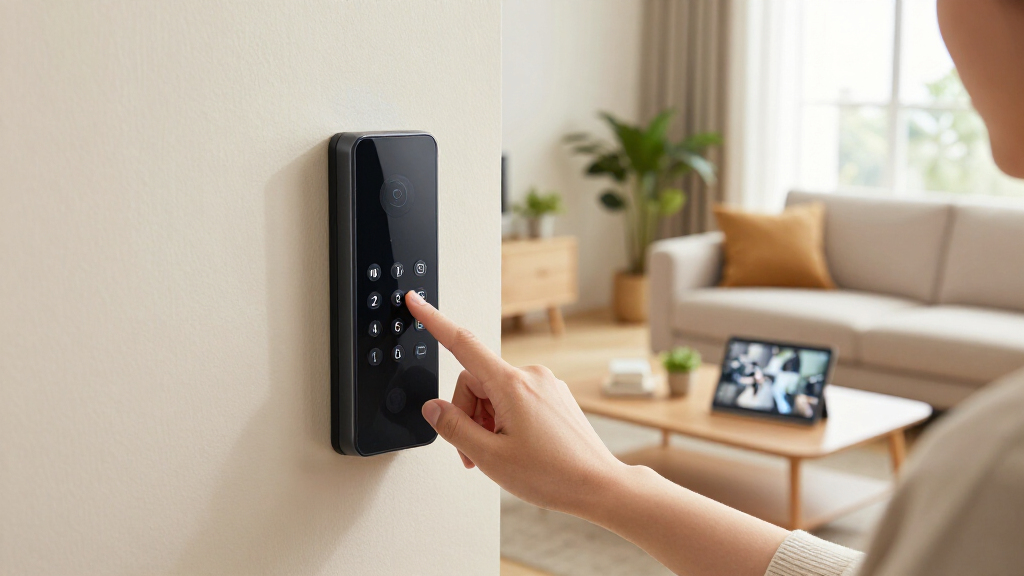
I evaluated these eight systems against the factors that actually drive long-term satisfaction: total cost of ownership (hardware plus three years of fees), sensor coverage per dollar, app quality and alert reliability, smart home compatibility with Alexa and Google Home, and installation difficulty. Subscription-backed systems had to justify their recurring fees with genuinely better monitoring options and software polish, while no-fee kits had to prove their hardware wouldn’t feel cheap within the first year.
The ranking logic favors systems that fit how most people actually live. Ring’s 14-piece kit earns the top spot because it scales well, offers optional (not mandatory) monitoring, and integrates cleanly into an Alexa household. DIY no-fee kits rank according to sensor count, connectivity redundancy, and app maturity — which is why the GSM/4G touch-screen model outranks the cheaper WiFi-only alternatives. Eufy and ADT Blu fill specific niches: one for simplicity, one for professional-grade service. No system got credit for features that only work on paper or require expensive add-ons to be useful.
Factors to Consider When Choosing Smart Home Security Systems
Before choosing a system, it helps to understand the structural decisions that shape every option in this category. These six factors separate the kits that protect your home for years from the ones that end up unplugged in a drawer.
Subscription Fees Are the Real Cost
The sticker price of a security kit is rarely the number that matters. A $200 no-fee system and a $200 system with a $20 monthly plan differ by $720 over three years. The mistake most buyers make is comparing hardware boxes side by side without modeling the long-term cost. That said, subscription fees buy real things: cellular backup, professional monitoring that dispatches emergency services when you can’t answer your phone, and cloud event storage. If you’re a heavy traveler or have medical concerns in the household, that monthly fee can be genuinely worth it. If you’re home most of the time and comfortable self-monitoring through app alerts, a no-fee kit pays for a lot of extra sensors instead. Decide which camp you’re in before looking at a single product page.
Sensor Count Versus Home Layout
Manufacturers advertise impressive piece counts, but coverage depends on your floor plan, not the box number. A 24-piece kit for a one-bedroom apartment wastes half its sensors, while a 5-piece kit for a two-story house leaves the entire upstairs unprotected. Map your entry points first: every ground-level door and window needs a contact sensor, and hallways leading to bedrooms need motion coverage. A common mistake is clustering sensors at the front door while ignoring back doors, garage entries, and ground-floor windows — the actual preferred entry points for most burglars. Buy for your layout, then leave one or two spare sensors for expansion. If a brand sells add-on sensors cheaply, a smaller starter kit often beats a large one from a brand with expensive proprietary extras.
Connectivity: What Happens When WiFi Drops
Most budget kits are WiFi-only, which means a power outage plus a dead router equals a completely blind security system. Systems with cellular or GSM/4G backup — or the option to add it through a monitoring plan — keep reporting even when your internet fails. This matters more in rural areas and older neighborhoods with unstable connections. Ethernet-connected base stations with battery backup offer another layer of redundancy worth checking for. A related and often-ignored failure mode: WiFi-only kits with cloud-dependent apps stop sending alerts if the manufacturer’s servers go down. Local sirens still trigger during a break-in, which is why every kit here earns some baseline protection credit, but remote alerts are only as reliable as the connection path behind them.
Ecosystem Lock-In and Voice Assistant Fit
A security system becomes the hub your other smart devices orbit around, so choosing a brand is choosing an ecosystem. Ring ties deeply into Alexa — including Echo devices acting as sirens and extenders — but has limited Google Home support. Generic no-fee kits advertise both Alexa and Google compatibility, though that support is often limited to basic arm/disarm voice commands rather than rich routines. If you already own a Nest thermostat and Google speakers, forcing a Ring system into that household creates friction every day. Lock-in also affects future costs: proprietary sensors only work with their own brand, so switching later means replacing everything. Match the system to the assistant you already use, and check whether sensors from the same brand (cameras, doorbells, smart locks) are priced competitively before committing.
DIY Installation Reality Check
Every system in this roundup is marketed as DIY, but the difficulty range is wide. Adhesive-mounted wireless sensors take minutes per door; configuring a GSM panel with SIM cards, zone programming, and app pairing can take an afternoon. The honest question is whether you’ll actually finish setup or leave the system half-configured — a common and dangerous outcome with complex kits. Beginners should prioritize systems with guided in-app installation and pre-paired sensors. Renters should confirm adhesive mounting won’t damage frames and that base stations don’t require hardwiring. If a kit needs a landline, a SIM card with active service, or drilling, factor that time and cost in. Simplicity has real security value: an armed simple system protects better than a sophisticated one stuck in its box.
Self-Monitoring Versus Professional Monitoring
Self-monitoring means your phone gets the alert and you decide whether to call the police — which fails if you’re asleep, on a plane, or in a meeting. Professional monitoring means a trained center verifies the alarm and dispatches responders, typically for $8–$30 monthly. Many buyers overestimate their availability and underestimate how quickly a break-in progresses; average police response to an unverified self-reported alarm is far slower than a professionally monitored one. Some insurers also discount homeowners policies for professionally monitored systems, which can offset part of the fee. The hybrid path Ring popularized — self-monitor free, upgrade to professional monitoring only when traveling — is worth taking seriously. Whatever you choose, verify whether the monitoring contract is month-to-month or locks you into multi-year terms.
Frequently Asked Questions
Can I start with a small kit and expand later?
Yes, but expansion costs vary dramatically between brands and should shape your starting purchase. Ring sells individual sensors and keypads at reasonable prices, so its 8-piece kit genuinely scales into a full-home setup over time. The no-fee generic kits are less predictable: many use proprietary sensor pairing, and replacement or add-on sensors can be hard to source a year later when the exact model rotates out of stock. My practical advice is to buy the sensor count you need within six months, not the minimum, unless the brand has a well-established accessory catalog. Also check the hub’s zone limits — some budget panels cap out at a fixed number of sensors, which silently blocks expansion.
Do these systems still work during a power or internet outage?
It depends on the backup layers, and this is where price differences become real. All the systems here include battery-backed base stations, so a short power cut won’t disable them. Internet outages are the bigger weakness: WiFi-only kits with no cellular option lose remote alerts entirely, though the local siren still sounds during an actual break-in. Ring’s monitoring plans add cellular backup through the base station’s LTE chip, and the GSM/4G touch-screen kit can operate over cellular networks with an active SIM card. If your area has unreliable internet, treat cellular capability as a requirement rather than a nice-to-have. Ask specifically whether cellular backup is built in, tied to a paid plan, or unavailable at all.
Are no-monthly-fee systems actually as safe as monitored ones?
For deterrence and immediate response, often yes — a 100+ dB siren scares off most opportunistic burglars regardless of who’s listening. The gap opens in the minutes when you can’t respond: asleep, driving, or without signal. A professionally monitored system has a human verifying the alarm and dispatching police without any action from you, which self-monitored systems simply can’t replicate. No-fee kits also typically lack cloud video storage and verified-alarm priority, so police may treat a self-reported alarm less urgently. The honest framing: no-fee systems are excellent burglar deterrents, while monitored systems are emergency-response services. Households with kids, elderly residents, or frequent travelers get more real-world value from monitoring than single adults who work from home.
Will a DIY alarm system lower my home insurance premium?
Possibly, but only for certain system types, and it’s worth calling your insurer before buying. Most insurers offer discounts of 5–15% for professionally monitored systems with a certificate from the monitoring provider — which Ring’s paid plan and ADT’s service can provide, but generic no-fee kits cannot. Some insurers extend smaller discounts for self-monitored smart systems with remote alerts, but policies vary widely. Burglary-related claims affect premiums far more than any discount, so the primary financial benefit of any security system is avoiding a claim in the first place. If insurance savings are a priority, confirm the paperwork requirements with your insurer first — a certificate of monitoring is usually the qualifying document, not just a receipt for hardware.
What’s the difference between the Ring 8-piece and 14-piece kits besides size?
The core hardware — base station, keypad, range extender, and sensor quality — is identical between the two, so this is purely a coverage decision rather than a quality one. The 8-piece kit covers roughly one or two entry points plus a motion detector, which suits apartments, condos, or small business storefronts with a single door. The 14-piece kit adds enough contact sensors for a typical three-to-four-bedroom home with multiple ground-floor doors and windows. Because Ring sells components individually, starting with the 8-piece and expanding costs slightly more per sensor than buying the 14-piece upfront. My rule of thumb: count your ground-floor doors and accessible windows before choosing. If that number exceeds four, the 14-piece kit is the better-value starting point.
Conclusion
Matching the right system to your situation matters more than any single spec sheet. For best overall, the Ring Alarm 14-Piece Kit earns it with scalable coverage, optional rather than mandatory monitoring, and the most mature app in this lineup. The 15-Piece WiFi DIY Kit takes best value — its sensor-per-dollar ratio is untouchable if you’re committed to zero recurring fees. For beginners and small spaces, the Eufy 5-Piece Kit is the gentlest on-ramp with the least setup friction and no subscription pressure. The ADT Blu Starter Kit is the closest thing here to a premium, professionally backed option for buyers who want a path to expert monitoring and don’t mind paying for it. For specific needs: the Ring 8-Piece Kit fits apartments and small businesses, the 24-piece GSM/4G kit suits large properties or unreliable-internet areas, and the 21-piece Alexa-compatible kit and smart WiFi alarm kit with siren and remote serve as solid middle-ground no-fee options for multi-bedroom homes. Whichever you choose, size the kit to your floor plan and decide your subscription stance first — those two decisions narrow this list faster than any feature comparison.
Fall yard work Picks
leaf blowers
As an affiliate, we earn on qualifying purchases.