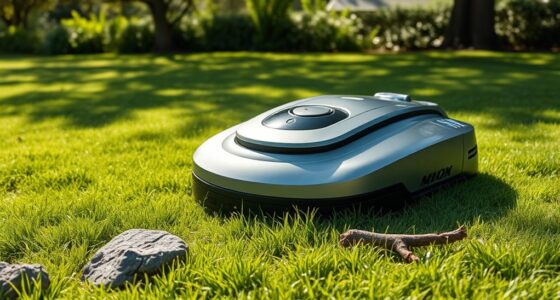

Robot mower blades are designed with your safety in mind, featuring sharp, durable blades housed within protective decks or housings. They include safety sensors like lift, tilt, and obstacle detection that automatically stop the blades if issues arise. Enclosed blades reduce direct contact, and their design balances cutting efficiency with injury prevention. If you want to understand how these safety features work together, keep exploring to learn more about their mechanisms.
Key Takeaways
- Modern robot mower blades are enclosed within a protective deck, minimizing direct contact during operation.
- Safety sensors such as lift, tilt, and obstacle detection automatically halt blades to prevent injuries.
- High-quality blades made from durable materials reduce breakage and flying debris risks, enhancing safety.
- Boundary wires or virtual fences restrict mower movement, preventing accidental entry into unsafe areas.
- Overall safety relies on integrated features combining sturdy blades, safety sensors, and protective design measures.
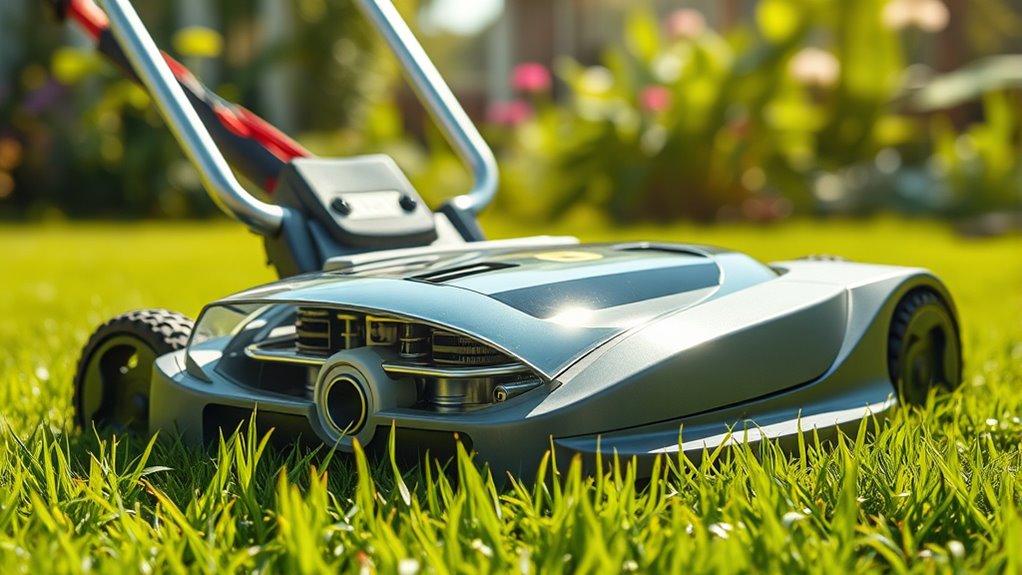
Robot mower blades are designed with safety in mind, but it’s natural to wonder how secure they really are. When considering the safety of these devices, it’s important to understand how their cutting mechanisms work and what measures are in place to protect you. One key aspect is blade durability. High-quality blades are built to withstand frequent use and tough grass conditions, which means they’re less prone to breaking or malfunctioning unexpectedly. Durable blades stay sharp longer, ensuring clean cuts and reducing the risk of jagged edges that could pose safety hazards. Manufacturers often choose materials like hardened steel or composite alloys for their blades, boosting their resilience and longevity. This durability not only improves performance but also minimizes the chance of accidental breakage that could cause flying debris or other safety concerns.
In addition to blade durability, safety features are integral to making robotic mowers safer for everyday use. Modern models are equipped with multiple safety mechanisms designed to prevent injuries. For example, many come with lift and tilt sensors—if you lift or tilt the mower, the blades automatically stop spinning. This feature prevents accidental contact when you’re handling or inspecting the device. Some models also have obstacle detection sensors that stop the blades if they sense a person, pet, or object nearby, reducing the risk of injury. Additionally, boundary wires or virtual fences help keep the mower within designated areas, preventing it from wandering into unsafe zones. These safety features work together to create a secure environment, giving you peace of mind while your mower is operating.
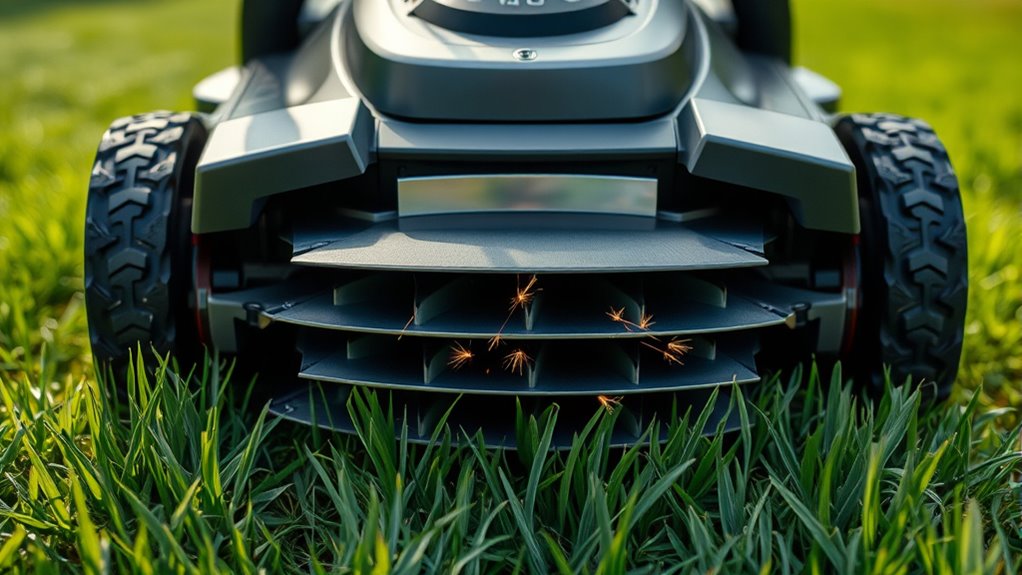
Furthermore, the design of the blades themselves often includes safety considerations. Instead of traditional, exposed blades, many robot mowers use rotary blades that are enclosed within a protective deck or housing. This design prevents direct contact with the blades during operation and minimizes the chances of accidental cuts or injuries. The blades are also engineered to spin at speeds that maximize cutting efficiency while reducing the likelihood of injury if contact does occur. The combination of sturdy, durable blades and advanced safety features ensures that your mower operates effectively without compromising safety.
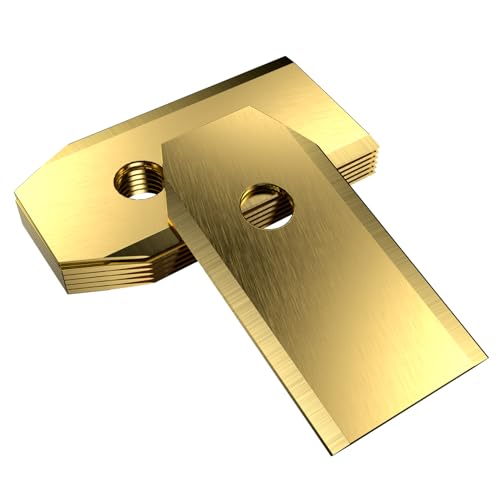
Headley Tools Replacement Robotic Mower Blades (Titanium Coating) for Husqvarna Automower,Gardena Robot Mower, Compatible with Segway Navimow Robotic Mower, Pack of 30
Long service life: Robotic Mower Blade is from superior Stainless Steel Material, titanium Coating on corrosion prevention, super-tough,…
As an affiliate, we earn on qualifying purchases.
As an affiliate, we earn on qualifying purchases.
Frequently Asked Questions
Can Robot Mower Blades Cut Through Thick or Woody Plants?
Robot mower blades typically can’t cut through thick plants or woody plants. Their blades are designed for grass and light vegetation, so when you encounter thick or woody plants, the mower might struggle or get stuck. You should clear away any dense or woody growth before mowing to prevent damage or malfunction. Always check your mower’s specifications to ascertain it can handle the type of vegetation you plan to cut.
Are There Safety Features to Prevent Accidental Blade Contact?
Yes, robot mowers have safety features like safety sensors and an emergency stop button that prevent accidental blade contact. You might worry about safety, but these features detect obstacles or human presence and stop the blades instantly. This way, you can relax knowing the mower won’t harm anyone or anything nearby. Always make certain these safety features are active and well-maintained for maximum protection during mowing.
How Often Should Blades Be Inspected or Replaced?
You should inspect your robot mower blades every 1 to 3 months, depending on usage, for signs of dullness or damage. Regular blade sharpening helps maintain cutting efficiency, but if blades become nicked, bent, or excessively dull, replacement is necessary. Typically, replacing blades every 6 to 12 months guarantees ideal performance and safety. Always follow your mower manufacturer’s guidelines for specific replacement frequency and sharpening recommendations.
Do Blades Pose Risks to Children or Pets Nearby?
Robot mower blades can pose potential risks to children and pets nearby. You should always be aware of child safety and pet protection by keeping kids and animals away from the mower during operation. Modern models include safety sensors and automatic shut-offs, but it’s crucial to supervise closely and verify the mower is turned off before handling or maintaining blades. Prioritize safety to prevent accidental injuries and protect your loved ones.
What Are the Safety Guidelines for Maintenance and Cleaning?
For maintenance safety, always turn off your robot mower and disconnect the power before cleaning or servicing. Follow specific cleaning protocols, such as removing debris carefully with gloves and avoiding direct contact with blades. Regularly inspect blades for wear or damage, and replace them as recommended. Keep children and pets away during maintenance, and work in a well-lit, dry area to guarantee your safety during cleaning and upkeep.
Headley Tools Replacement Robotic Mower Blades (Titanium Coating) for Husqvarna Automower,Gardena Robot Mower, Compatible with Segway Navimow Robotic Mower, Pack of 30
Long service life: Robotic Mower Blade is from superior Stainless Steel Material, titanium Coating on corrosion prevention, super-tough,…
As an affiliate, we earn on qualifying purchases.
As an affiliate, we earn on qualifying purchases.
Conclusion
Overall, robot mower blades are designed with safety in mind, reducing the risk of injury compared to traditional mowers. Did you know that over 90% of injuries from lawn equipment occur with push mowers, not robotic ones? This shows how advanced safety features make robot mowers a smarter choice. By understanding their cutting mechanisms, you can feel more confident about letting your robot handle yard work while you stay safe and enjoy your free time.
Headley Tools Replacement Robotic Mower Blades (Titanium Coating) for Husqvarna Automower,Gardena Robot Mower, Compatible with Segway Navimow Robotic Mower, Pack of 30
Long service life: Robotic Mower Blade is from superior Stainless Steel Material, titanium Coating on corrosion prevention, super-tough,…
As an affiliate, we earn on qualifying purchases.
As an affiliate, we earn on qualifying purchases.
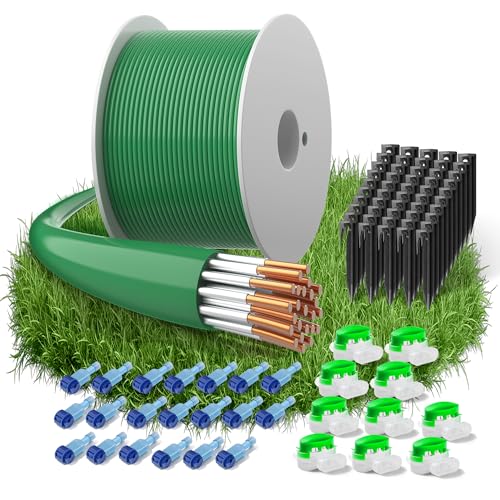
150m/492ft Boundary Cable for Robot Lawnmower, Garden Wire Accessory Set, with 50 Pegs, 10 Cable Connectors, 20 Sets of Connection Terminal, Universal Boundary Wire, Compatible with Husqvarna/Worx
Compatibility — The boundary wire is compatible with robotic lawn mowers from brands including Husqvarna Automower, Worx Landroid,…
As an affiliate, we earn on qualifying purchases.
As an affiliate, we earn on qualifying purchases.