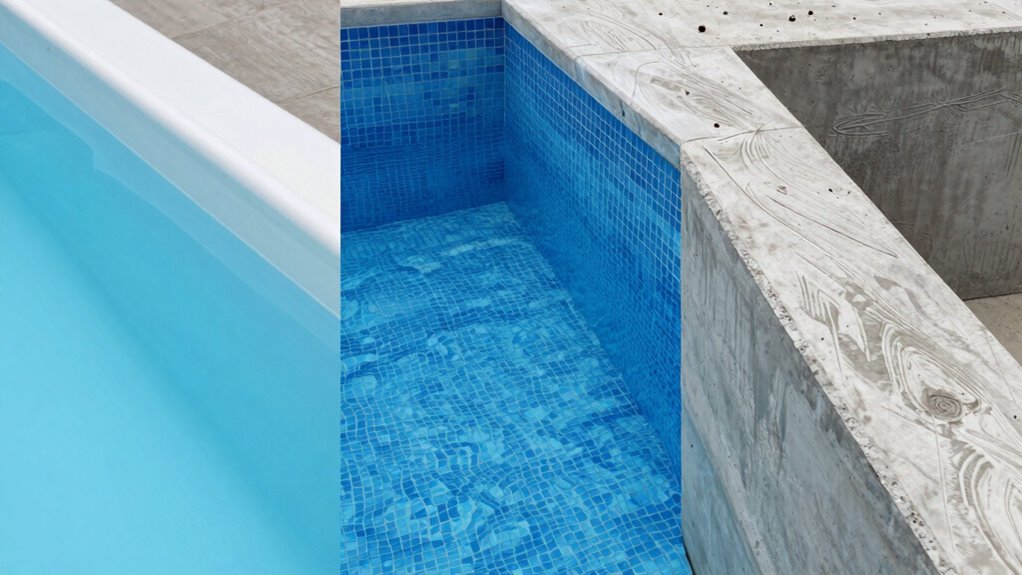

You need to take into account each pool type differently because fiberglass, vinyl, and concrete pools have unique installation, maintenance, and safety needs. Fiberglass pools are quick to install, low maintenance, and have smooth surfaces, but limited shapes. Vinyl pools are flexible in design but require liner replacements and careful handling. Concrete pools offer customization but need ongoing upkeep and safety measures. Understanding these differences helps you choose the right pool for your space and lifestyle—more details await.
Key Takeaways
- Each pool type has unique installation, size, and shape options that influence setup and customization needs.
- Maintenance requirements vary, with fiberglass needing less upkeep and concrete demanding more cleaning and resurfacing.
- Surface safety features differ; smooth fiberglass surfaces reduce injury risks compared to rough or puncture-prone vinyl and concrete.
- Long-term costs depend on durability, with fiberglass being more durable and concrete requiring ongoing maintenance.
- Safety regulations and design considerations vary, necessitating tailored fencing, barriers, and installation practices for each type.

Are you trying to decide which type of pool best fits your backyard and lifestyle? Each option—fiberglass, vinyl, or concrete—comes with its own set of considerations that can influence your decision. Understanding these differences helps you plan for the long-term, especially when it comes to pool maintenance and adhering to safety regulations. Fiberglass pools are known for their smooth surfaces and quick installation, but they require less ongoing maintenance compared to vinyl and concrete pools. The non-porous surface resists algae growth, which means fewer chemicals are needed to keep the water clean. Additionally, the high-quality materials used in fiberglass pools often contribute to their color stability, ensuring the pool retains its appearance over time. However, you’ll want to consider the size restrictions, as fiberglass pools come in pre-made shapes and sizes, limiting customization options. Safety regulations also play a role here; since fiberglass surfaces are smooth, they reduce the risk of scrapes and injuries, making them a safer choice for families with young children.
Fiberglass pools offer quick installation, low maintenance, and a safer, smooth surface ideal for families.
Vinyl pools, on the other hand, are typically more customizable in shape and size, offering flexibility in design to match your backyard’s layout. The liner needs regular inspection and replacement over time, which adds to the ongoing pool maintenance. Vinyl liners can be punctured or torn if not handled carefully, so safety precautions are essential during installation and upkeep. Vinyl pools also have specific safety regulations regarding fencing and barriers, requiring you to ensure your pool area is secure to prevent accidents. These pools tend to be more affordable upfront but can incur higher costs over time due to liner replacements and repairs.
Concrete pools are the most durable and customizable, allowing you to create a pool that perfectly fits your space and style. However, they demand more intensive pool maintenance, including regular cleaning, resurfacing, and chemical balancing. The porous surface of concrete pools can harbor algae if not properly maintained, so adhering to safety regulations around water quality and chemical levels is critical. They also pose safety concerns, such as rough surfaces and sharp edges, especially if not properly finished. Ensuring compliance with local safety regulations, like fencing, alarms, and covers, is vital to prevent accidents.
In choosing the right pool, you need to weigh these considerations carefully. Think about your willingness to invest time and money into pool maintenance, your safety priorities, and how flexible you need the design to be. Whether you prefer the low-maintenance fiberglass, the customizable vinyl, or the durable concrete, each type requires different considerations to keep your backyard safe, fun, and compliant with safety regulations.

Sepetrel Deluxe Swimming Pool Cleaning Kit with Spa Jet Vacuum Cleaner,Brush, Semi-deep Skimmer Net & Adjustable 57.5-inch Pole,Ideal for Cleaning Above Ground,Inflatable Pools
This kit includes spa jet vacuum cleaner,a 13.5-inch pool brush,a semi-deep skimmer net and a 57.5-inch pole
As an affiliate, we earn on qualifying purchases.
As an affiliate, we earn on qualifying purchases.
Frequently Asked Questions
How Does Pool Material Affect Long-Term Maintenance Costs?
Your pool’s material greatly influences long-term maintenance costs through its durability and maintenance frequency. Fiberglass pools require less upkeep due to their smooth surface, which resists algae growth. Vinyl pools need periodic liner replacements, increasing costs over time. Concrete pools are durable but demand frequent cleaning and resurfacing. Choosing the right material matches your budget and maintenance willingness, ultimately affecting your long-term expenses.
Are Certain Pool Types More Eco-Friendly Than Others?
Imagine a shimmering pool reflecting sunlight, made from eco-friendly materials that respect nature. Certain pool types, like those with sustainable pool options, are more eco-friendly because they use eco-friendly materials and reduce energy consumption. Fiberglass pools often need less chemical treatment, vinyl pools can incorporate recycled materials, and concrete pools can be designed with eco-conscious finishes. Choosing these options helps you enjoy your oasis while minimizing environmental impact.
Which Pool Material Offers Better Resistance to Pool Chemicals?
Fiberglass pools offer superior resistance to pool chemicals, making them highly durable against chemical reactions that can damage other materials. Vinyl pools, while also resistant, may require more frequent repairs due to liner issues. Concrete pools, though durable, can be more susceptible to chemical reactions that cause surface deterioration over time. If chemical resistance is your priority, fiberglass is the best choice for long-term pool durability.
How Do Installation Times Vary Between Pool Types?
Pool installation times vary depending on the material, with fiberglass pools typically taking 1-2 weeks due to quick setup and minimal finishing. Vinyl pools usually require 2-4 weeks, involving liner installation and wall assembly. Concrete pools take the longest, often 4-12 weeks, because of extensive curing and finishing. Material durability influences installation pace, as stronger materials like fiberglass allow faster setup, while concrete demands more time for proper curing and finishing.
What Are the Best Options for Customizing Pool Shapes?
Choosing a pool shape is like painting on a blank canvas, offering endless possibilities. For unique design options and custom shape flexibility, concrete pools stand out—they can be molded into virtually any form you envision. Vinyl pools also allow some customization with liners, while fiberglass pools are more limited but maintain sleek, pre-designed shapes. Your choice depends on how much flexibility you want versus ease of installation.

Tiki Island Pool Express Vinyl Liner Repair Patch 2 ft x 8" Pebble Design for Swimming Pool Liner Inground/Above Ground
√ Vinyl Liner Repair Patch 2 ft x 8" Pebble Design for Swimming Pool Liner Inground/Above Ground
As an affiliate, we earn on qualifying purchases.
As an affiliate, we earn on qualifying purchases.
Conclusion
Understanding the unique needs of fiberglass, vinyl, and concrete pools helps you make informed choices. You consider the durability, maintenance, and cost for each type. You evaluate the installation process, lifespan, and aesthetic options. You weigh your lifestyle, budget, and preferences. By recognizing these differences, you guarantee your pool suits your needs, enhances your backyard, and provides years of enjoyment. You make a decision that’s right for you, your home, and your future.

Olympic Pool Paint – Paralon 2 – Black – 1 Gallon – Chlorinated rubber-base swimming pool paint – high gloss enamel for chlorinated rubber, bare plaster and concrete pools.
Includes 1 gallon.
As an affiliate, we earn on qualifying purchases.
As an affiliate, we earn on qualifying purchases.
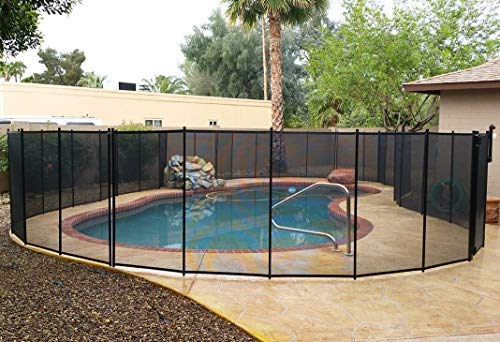
VINGLI Pool Fence 4Ft x 96Ft Swimming Pool Fence in Ground Pool Safety Fencing, Black
pool fence
As an affiliate, we earn on qualifying purchases.
As an affiliate, we earn on qualifying purchases.