
TL;DR

Get home appliances delivered free with Prime
- Fast, free delivery on millions of items
- Prime Video, Amazon Music and more included
- Member-only deals all year
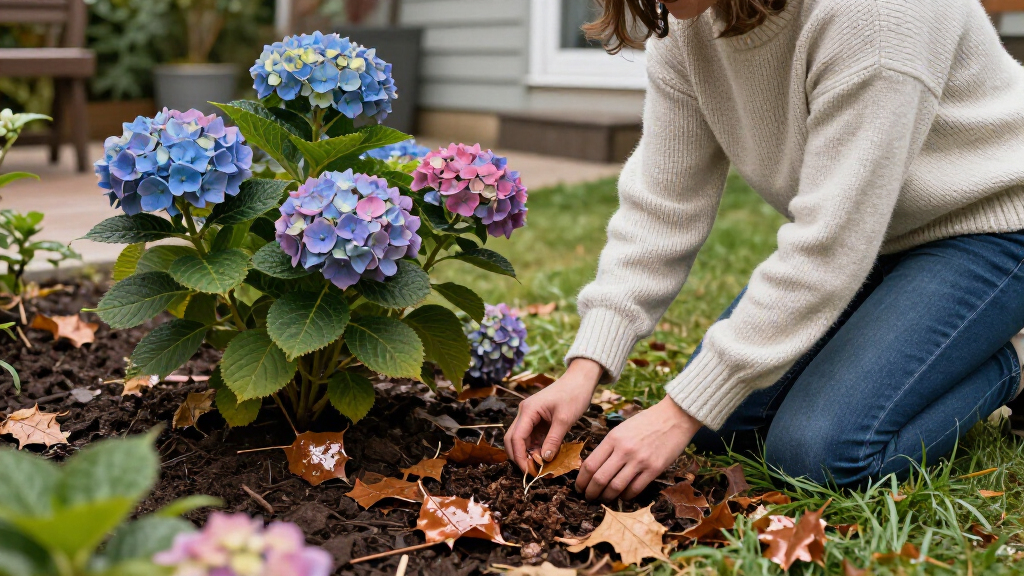
October care for hydrangeas is mainly about protecting plants and avoiding pruning that could remove next year’s flower buds. Gardening experts cited by Ideal Home advise leaving faded flowerheads in place, reducing routine watering and feeding as growth slows, and adding mulch around the roots.
Gardeners preparing hydrangeas for winter should generally leave faded flowerheads and avoid substantial autumn pruning, according to advice from horticulturists in an Ideal Home report. The recommendations matter because some hydrangeas form next year’s flower buds on existing stems, so cutting those stems in October can reduce flowering next summer.
The report’s central advice is to hold off on major pruning as temperatures cool. Shelley Davis, a plant expert at Flying Flowers, says faded heads can offer some protection from frost and that cutting stems may remove developing buds. She also warns that pruning can encourage tender new growth before winter, when there may be too little time for it to harden.
The timing depends on the hydrangea. Pim Dickson, senior horticulturist at Fothergills, says traditional mophead and lacecap hydrangeas, including Hydrangea macrophylla, flower on growth from the previous season. He advises retaining their main stems and faded heads over winter, then removing old heads in spring after the risk of severe frost has passed. Panicle hydrangeas flower on new growth and can be shaped in spring; Dickson advises against cutting them back hard in October.
Experts say gardeners can remove dead, diseased or damaged stems when necessary, but should save significant pruning for the right time of year. Charlotte McGrattan, hardy nursery stock buyer at Hillier Nurseries, recommends using October to assess established plants and plan next year’s pruning. The report also advises checking soil before watering, giving plants a drink during a dry spell without leaving them in soggy soil, pausing regular fertiliser, and laying organic mulch around the roots while keeping it clear of the stems.
Protecting Next Summer’s Blooms
The main risk in October is treating every hydrangea the same or pruning simply to make the garden look tidy. For varieties that carry next season’s buds on older stems, an autumn cut can remove the growth needed for flowers. Leaving faded heads and stems intact can help preserve those buds while offering some protection from frost.
Winter preparation also involves the plant’s growing conditions, not just its shape. A layer of organic mulch around the root area can help soil retain moisture and moderate temperature changes, while avoiding waterlogged soil reduces the risk of keeping roots excessively wet. These steps offer practical protection without prompting fresh growth through feeding or hard pruning.
The advice is not a guarantee against frost damage or a promise of a particular display. Hydrangea type, local weather and garden conditions affect what care is appropriate. Identifying the variety before pruning is the most useful way to avoid removing potentially flower-bearing stems.
As an affiliate, we earn on qualifying purchases.
Why Hydrangea Type Matters
Hydrangeas do not all produce flowers on the same growth. The Ideal Home report distinguishes old-growth flowering mopheads and lacecaps from panicle varieties that flower on new growth. That difference affects when pruning is least likely to remove future flowers: older-stem types are generally left intact through winter, while panicle hydrangeas can be pruned in spring.
Even within that framework, the report does not prescribe one exact pruning method for every plant. McGrattan says pruning intensity can affect plant size and flower display: hard pruning can produce vigorous growth with fewer, larger flowerheads, while light pruning can encourage earlier flowering with more numerous, smaller heads. October is presented as a time to assess and plan, rather than carry out a substantial cut.
““The best approach is generally to leave the plant’s faded flowerheads in place and leave cutting back until spring.””
— Shelley Davis, plant expert at Flying Flowers, quoted by Ideal Home
As an affiliate, we earn on qualifying purchases.
Local Conditions Shape Care
The report gives general seasonal guidance, but does not specify a single date for spring pruning or a mulch depth that suits every garden. Frost timing and soil conditions vary, and the best approach depends on the plant’s variety and local climate. It is also not clear from the guidance whether a particular hydrangea has suffered damage or is growing in soil that drains poorly.
The advice to retain faded heads is general rather than an instruction that every stem must remain untouched. Gardeners may remove damaged or diseased growth when needed, and should identify their hydrangea before pruning. The report does not provide a location-specific forecast or guarantee that mulch will prevent frost damage.
As an affiliate, we earn on qualifying purchases.
Plan Pruning for Spring
For October, gardeners can inspect their plants, identify the variety if possible, remove only stems that are dead, diseased or damaged, and leave healthy faded heads in place. They can check soil moisture during dry spells, stop routine feeding as growth slows, and spread bark, compost or leaf mould around the root area without piling it against the stems.
In spring, once the risk of severe frost has passed, gardeners can revisit pruning according to hydrangea type and their desired plant size and flower display. The report does not give a universal date, so timing should follow local conditions and the plant’s growth.
As an affiliate, we earn on qualifying purchases.
Key Questions
Should I prune hydrangeas in October?
Avoid substantial pruning in October, according to the experts quoted by Ideal Home. Remove dead, diseased or damaged stems if needed, but leave healthy stems and faded flowerheads until the appropriate spring pruning period.
Why should faded hydrangea flowers be left over winter?
Faded heads may provide some protection from frost, and pruning stems can remove developing buds on varieties that flower on older growth. The advice is general and does not mean damaged growth must be left in place.
Do all hydrangeas need the same pruning schedule?
No. Mophead and lacecap hydrangeas often form next year’s buds on stems from the previous growing season, while panicle varieties flower on new growth. The report advises waiting until spring for pruning and avoiding a hard cut in October.
Should I water or feed hydrangeas in October?
Check the soil rather than following a fixed watering schedule. Water during a dry spell, but avoid waterlogged soil. The report advises pausing regular fertiliser in autumn and resuming in spring as new growth begins.
How should I mulch hydrangeas for winter?
Spread organic material such as bark, compost or leaf mould around the plant’s root area to help the soil retain moisture and buffer temperature changes. Keep mulch away from the stems rather than piling it against the base.
Source: rss
Fall Picks
fall essentials
As an affiliate, we earn on qualifying purchases.