
TL;DR
Cars today collect detailed data about drivers, including location, behavior, and even facial expressions. New regulations will expand data collection, raising privacy and security concerns. The full extent and use of this data remain uncertain.
Automakers are set to implement new regulations requiring cars to install biometric cameras and other sensors that will collect detailed data about drivers, including behavioral and biometric information. This development significantly expands the scope of data collection, raising privacy concerns among experts and consumers alike.
Recent investigations and policy reviews reveal that modern vehicles are equipped with numerous sensors and cameras capable of capturing a wide range of personal data, from location and driving habits to facial expressions and physiological states. A 2023 Mozilla analysis found all major car brands scrutinized failed to meet privacy standards, with policies allowing data collection on sensitive topics like health and even sexual activity. The upcoming regulations will mandate biometric sensors to monitor driver alertness and behavior, further increasing data collection. Car companies often share or sell this data, sometimes without explicit consumer consent, as evidenced by recent legal actions against firms like General Motors for selling location data without permission. Experts warn that this data can be used to infer psychological profiles, political beliefs, and other personal traits.
Why It Matters
This matters because the extensive data collection could lead to privacy violations, increased surveillance, and potential misuse of personal information. Consumers may face higher insurance costs or targeted advertising based on their behaviors, and the lack of transparency about data use raises ethical and legal concerns. As connected cars become more prevalent, understanding how this data is collected, stored, and shared is crucial for protecting personal privacy and rights.

CountureMode Hidden Camera Detectors, 7-in-1 Anti Spy Camera Finder, Bug Detector for RF Signal, WiFi Scanner, GPS Tracker, Listening Device, Portable Privacy Protection for Hotel Office Car Travel
- 7-in-1 Detection Functions: Covers camera, RF, infrared, magnetic, vibration, SOS, flashlight
- Adjustable Sensitivity Levels: 6 levels for precise detection from 1 MHz to 6.5 GHz
- Broad Signal Detection: Captures wireless signals, infrared, and magnetic fields
As an affiliate, we earn on qualifying purchases.
As an affiliate, we earn on qualifying purchases.
Background
The trend toward connected and autonomous vehicles has accelerated in recent years, with estimates suggesting that by 2030, nearly all new cars will have internet connectivity. Past investigations, including a 2023 Mozilla report, revealed widespread privacy policy shortcomings among major automakers. Legal actions against companies like GM, Honda, and Hyundai highlight ongoing issues with data sales and misuse. Regulatory efforts are now focusing on expanding biometric monitoring capabilities, which will further increase data collection from drivers.
“It basically means your life can be recreated almost on a second-by-second basis from the data collected by modern cars.”
— Darrell West, Brookings Institute
“We have never collected data on drivers’ sex lives or health. The privacy policies list sensitive data, but we only share data with insurance companies if drivers opt in.”
— Kia spokesperson James Bell

SVPRO 1080P 60FPS USB Camera Module with Dual M12 Lens Sync 3840×1080 UVC Computer Vision 3D Stereo Camera for Face Recognition VR Biometrics and Robotics
- 3D Stereo Camera: Dual lens sync recording in 4MP HD
- High-Quality Lens: Distortion-free M12 mount with 85° FOV
- Plug-and-Play USB-C: High-speed USB 2.0 interface, no drivers needed
As an affiliate, we earn on qualifying purchases.
As an affiliate, we earn on qualifying purchases.
What Remains Unclear
It remains unclear exactly how much data will be collected under the new regulations, how it will be used, and what safeguards will be in place to protect consumer privacy. The extent of data sharing between automakers, third parties, and government agencies is also still being determined.
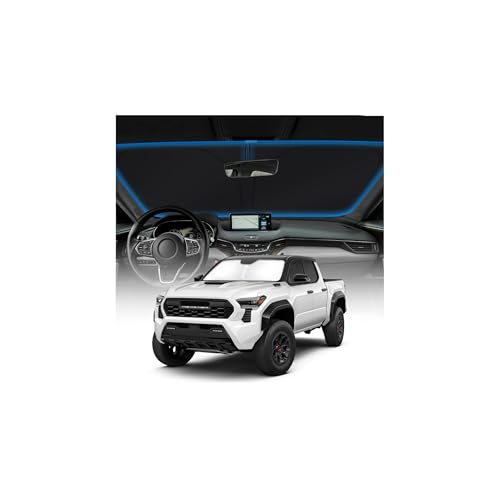
KUST Windshield Sun Shade for Toyota Tacoma Accessories 2016-2025 2026 2Dr 4Dr Pickup Truck, Custom Fit Car Front Window Sunshade Sun Visor Protector Foldable Blocks UV Rays Keep Car Cooler
- Custom Fit for Toyota Tacoma: Fits 2016-2026 2Dr and 4Dr models
- High-Quality Reflective Fabric: Made of 250T double-layer material
- Blocks UV Rays and Heat: Blocks up to 99% of UV rays and heat
As an affiliate, we earn on qualifying purchases.
As an affiliate, we earn on qualifying purchases.
What’s Next
Next steps include the implementation of the new biometric and behavioral monitoring regulations, expected to roll out in the coming months. Consumers should anticipate increased transparency requirements from automakers and ongoing investigations into data practices. Monitoring legal and regulatory developments will be key to understanding how privacy protections evolve.

4Pack Magnetic Car Window Shades, Strong Light Blocking UV Protection Privacy Curtains, Universal Auto Interior Accessory, Essential for Baby Sleeping Camping Napping, Fit Most Car Windows (Black)
- Material: High-quality blackout cloth for durability
- Function: Blocks sunlight and insulates heat
- Privacy Protection: Ensures in-car privacy without obstructing view
As an affiliate, we earn on qualifying purchases.
As an affiliate, we earn on qualifying purchases.
Key Questions
What types of data are modern cars collecting?
Cars collect location data, driving behavior, biometric information via cameras and sensors, facial expressions, and potentially sensitive health or personal information, depending on the vehicle and its policies.
Are my personal details safe with these connected cars?
The safety of personal data varies. Many automakers do not provide full transparency, and some have been found to sell or share data without clear consent. New regulations may increase data collection, raising privacy concerns.
Can I limit what data my car collects?
Options are limited but include opting out of certain data sharing with insurance companies or third-party apps, and disabling some sensors or cameras if possible. However, regulations will soon mandate more comprehensive data collection.
What legal protections exist for drivers’ privacy?
Current laws are limited, but new regulations are being proposed to regulate biometric data and increase transparency. Enforcement and scope of these protections are still evolving.
What should consumers do to protect their privacy?
Stay informed about your vehicle’s data policies, disable unnecessary features, and advocate for stronger privacy protections. Monitoring updates from regulators is also recommended.
Source: Hacker News