
If your De’Longhi espresso machine is leaking water unexpectedly, it can disrupt your daily coffee routine and potentially cause damage to the machine. Leaks are often caused by simple issues such as loose fittings, worn-out seals, or mineral build-up. Fortunately, most leaks can be fixed with some basic troubleshooting and maintenance. This guide provides clear, step-by-step instructions to help you identify and resolve water leaks in your De’Longhi Magnifica Evo Next Fully Automatic Espresso Machine, ensuring it runs smoothly again.

Get home appliances delivered free with Prime
- Fast, free delivery on millions of items
- Prime Video, Amazon Music and more included
- Member-only deals all year
Before starting any repair, ensure your machine is unplugged and cooled down to prevent injury or further damage. Regular maintenance and timely replacements of parts like filters and descalers can also help prevent leaks in the future.
Key Takeaways
| Identify leak sources | Leaks often originate from hoses, seals, or the water tank. |
| Check seals and fittings | Worn or loose seals and fittings are common culprits. |
| Inspect water tank | Cracks or improper placement can cause leaks. |
| Perform regular descaling | Mineral buildup can lead to blockages and leaks. |
| Replace worn parts promptly | Using genuine replacement parts ensures reliability. |
Step 1: Unplug and Prepare the Machine
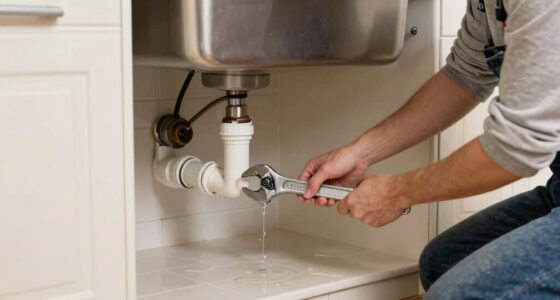
Before starting any troubleshooting, unplug your De’Longhi espresso machine and allow it to cool down completely. Remove the water tank carefully, inspecting for cracks or damage. Place a towel or container underneath to catch any residual water and avoid messes during the inspection process.
Step 2: Check the Water Tank and Connection Points
- Ensure the water tank is properly seated in its compartment. Sometimes, an improperly fitted tank can cause leaks.
- Inspect the water tank for cracks or damage. Replace it if you notice any visible issues.
- Check the connection point where the water tank attaches to the machine. Tighten or reseat it if necessary.
Step 3: Examine Seals, Gaskets, and Hoses
Leaks often occur due to worn-out or loose seals and gaskets. Carefully inspect all visible seals and replace any that appear cracked, hardened, or deformed. Also, check hoses for cracks, clogs, or disconnections. If hoses are loose, secure them firmly; if damaged, replace them with compatible parts.
Step 4: Inspect Internal Components and Fittings
If the leak persists, open the access panels or service areas as per your model’s manual. Look for loose fittings or connections inside the machine. Tighten any loose fittings with appropriate tools, but avoid overtightening to prevent damage. Be cautious not to disturb electrical components.
Step 5: Perform Descaling and Maintenance
Mineral deposits can cause internal blockages leading to water leaks. Use a descaling solution like De’Longhi EcoDecalk Descaler, following the manufacturer’s instructions. Regular descaling prevents mineral buildup, ensuring smooth operation and reducing leak risks.
Step 6: Test the Machine
After completing the above steps, reassemble any removed parts, refill the water tank, and plug in the machine. Run a brew cycle or steam function to check for leaks. Observe carefully; if water still leaks, further inspection or professional servicing may be necessary.
Tips and Warnings for Safe Repair
- Always unplug the machine before performing any maintenance or repair.
- Use genuine replacement parts to ensure compatibility and safety.
- If unsure about internal components or uncomfortable with disassembly, consult a professional technician.
- Regularly clean and descale your machine to prevent mineral buildup that can cause leaks.
The Products in This Guide
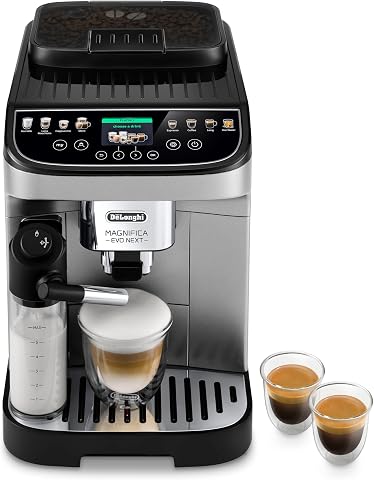
De’Longhi Magnifica Evo Next Fully Automatic Espresso Ma
- ✔ Weight: 17.6 lbs
- ✔ Voltage: 120V
- ✔ Warranty: 1 year

De’Longhi Replacement Water Filter
- ✔ Compatibility: Select De’Longhi models
- ✔ Filter Type: Activated carbon
- ✔ Replacement Indicator: Yes
De’Longhi Magnifica Evo Next Fully Automatic Espresso Ma
The De’Longhi Magnifica Evo Next Fully Automatic Espresso Machine is renowned for its ease of use, diverse drink options, and consistent performance. Its programmable features and built-in grinder make it a favorite among coffee enthusiasts, and it’s generally reliable with proper maintenance.
Pros:
- Easy to use with one-touch recipes
- Built-in conical burr grinder
- Automatic milk frother for lattes and cappuccinos
- Programmable settings for customization
Cons:
- Can leak if not maintained properly
- Requires regular descaling
- Some parts may need replacement over time
Best for: Home baristas seeking a versatile and automatic espresso machine
Not ideal for: Users looking for a manual or semi-automatic machine
Bottom line: A versatile, feature-rich espresso machine that benefits from proper maintenance to prevent leaks.
De’Longhi Replacement Water Filter
The De’Longhi Replacement Water Filter is designed to improve water quality, which helps prevent mineral buildup and leaks. Regular replacement of the filter ensures your machine operates efficiently and your coffee tastes great.
Pros:
- Improves water quality
- Prevents lime scale buildup
- Easy to install
- Enhances coffee flavor
Cons:
- Requires regular replacement
- Only compatible with select models
- Additional cost over time
Best for: Maintaining optimal water quality in your espresso machine
Not ideal for: If your machine is leaking due to mechanical damage, replace parts instead
Bottom line: A simple solution to improve water quality and potentially reduce leaks caused by mineral deposits.
Frequently Asked Questions
Why is my De’Longhi espresso machine leaking water?
Leaks can be caused by worn-out seals, loose fittings, cracks in the water tank, or mineral buildup inside the machine. Regular maintenance and inspection can help prevent and fix leaks.
How often should I descale my De’Longhi espresso machine?
It’s recommended to descale your machine every 2-3 months, or more frequently if you have hard water. Use a descaling solution like De’Longhi EcoDecalk Descaler for best results.
Can I fix a leak myself, or should I call a professional?
Many minor leaks caused by loose fittings or worn seals can be fixed at home with caution. However, if you’re unsure or the leak persists after troubleshooting, consulting a professional technician is advised.
What safety precautions should I take when repairing my espresso machine?
Always unplug the machine before opening or inspecting it. Allow it to cool down completely. Use genuine replacement parts and avoid overtightening fittings to prevent damage.
How can regular maintenance prevent leaks?
Regular descaling, replacing water filters, and inspecting seals and hoses help prevent mineral buildup and wear that cause leaks over time.
Keep Your Coffee Flowing Smoothly
Addressing water leaks in your De’Longhi espresso machine doesn’t have to be daunting. With careful inspection, regular maintenance, and timely replacement of worn parts, you can keep your machine running efficiently and ensure every cup tastes perfect. Remember, a well-maintained espresso machine not only prevents leaks but also extends its lifespan, providing you with delicious coffee for years to come.
Affiliate disclosure: As an Amazon Associate we earn from qualifying purchases. Prices and availability are accurate as of the time of publishing.
NFL season / tailgating Picks
team gear
As an affiliate, we earn on qualifying purchases.