
TL;DR

Get home appliances delivered free with Prime
- Fast, free delivery on millions of items
- Prime Video, Amazon Music and more included
- Member-only deals all year
Smart home learning assistants use AI to personalize education, making learning more engaging at home. Recent advances improve interaction and safety, but privacy remains a key concern. They’re a valuable supplement—not a replacement—for traditional schooling.
Imagine a device that answers your child’s questions, helps with homework, and adapts to their learning style — all from your living room. That’s the promise of smart home learning assistants. They’re not just gadgets; they’re becoming the new classroom helpers, making learning more fun and personalized.
In this article, you’ll discover what these assistants can do, how they’re evolving, and what to watch out for. Whether you’re a parent, teacher, or curious learner, understanding this tech helps you make smarter choices for home education.
Smart home learning assistants personalize education, making it engaging and adaptable to individual needs.
Recent AI advances improve conversational ability, content relevance, and integration with other devices.
Parental controls and privacy settings are essential to keep children safe and data secure.
Choose devices based on safety features, content access, and your family’s tech ecosystem.
Use these assistants as supplementary tools, complementing traditional learning methods.
What exactly are smart home learning assistants — and how do they work?
Smart home learning assistants are AI-powered devices or software that sit in your home, ready to support educational activities. Think of them as a friendly, ever-ready tutor that responds to voice commands. They process what you say, pull relevant info from the internet, and deliver answers or exercises.
For example, a child might ask, “What’s 7 times 8?” and the assistant responds instantly, providing the answer and a quick explanation. These assistants use natural language processing to understand speech, personalize responses based on who’s asking, and connect to educational content sources.
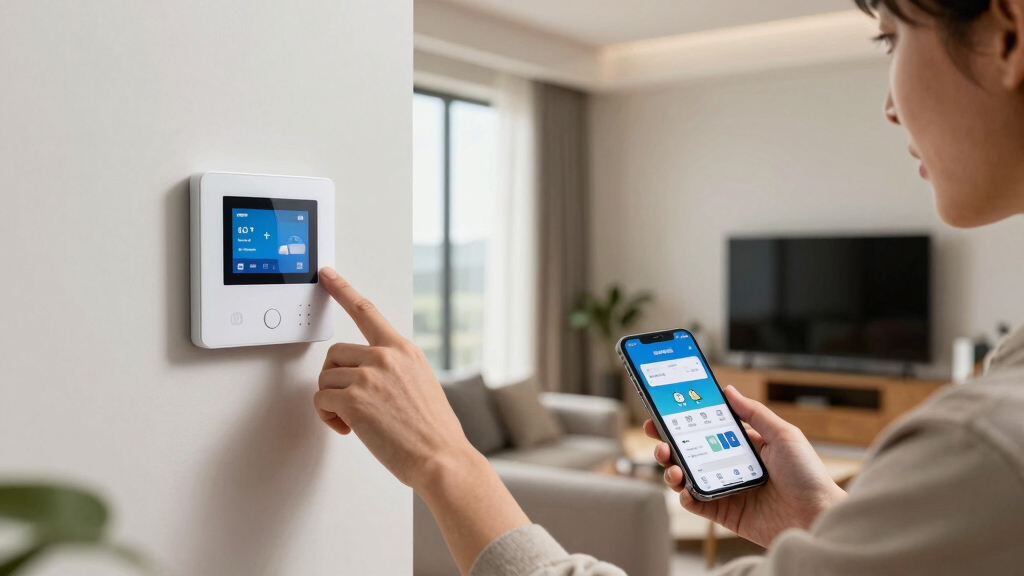
They integrate with smart speakers, displays, and IoT devices, creating a seamless learning environment. Just like Alexa or Google Assistant, but with a focus on education and safety features tailored for home learning.
Understanding how these assistants work is crucial because it reveals their potential to adapt to your child’s unique learning style, providing tailored support that traditional methods might lack. However, it also underscores the importance of managing their responses to ensure accuracy and appropriateness, especially since AI can sometimes misinterpret or oversimplify complex topics.
smart home learning assistant for kids
As an affiliate, we earn on qualifying purchases.
As an affiliate, we earn on qualifying purchases.
Top features that make these assistants your child’s digital tutor
- Voice Interaction: Kids ask questions naturally, and the assistant responds in real time, mimicking a conversational tutor. This interaction helps children develop verbal skills and confidence, but it also raises questions about over-reliance on technology for social learning.
- Personalization: The device adjusts content based on age, interests, and learning pace, which can significantly boost engagement and retention. Yet, this customization requires careful calibration to avoid reinforcing misconceptions or biases present in the data sources.
- Content Access: Curated educational materials, videos, and quizzes are just a voice command away, providing diverse learning modalities. However, the quality of content varies, and overexposure to certain media can impact attention spans and critical thinking skills if not monitored.
- Parental Controls: You set boundaries, monitor usage, and restrict inappropriate content, essential for safety. The effectiveness of these controls depends on how well they are implemented and regularly updated to adapt to evolving technology and content.
- Connectivity: They sync with other smart devices and educational platforms, creating a cohesive learning ecosystem. This interconnectedness enhances learning opportunities but also introduces potential vulnerabilities related to data security and privacy that need ongoing management.
These features matter because they shape how children interact with knowledge and technology. While they can foster independence and curiosity, they also require careful oversight to prevent negative impacts like misinformation, reduced social interaction, or privacy breaches.
As an affiliate, we earn on qualifying purchases.
How recent tech advances make these assistants smarter and more helpful
Recent improvements in AI have supercharged their capabilities. Natural language understanding has deepened, meaning they grasp context better. Now, they can hold longer, more natural conversations, like a real tutor.
Many devices now adapt to each child’s learning style. If your kid struggles with fractions, the assistant suggests targeted exercises. These updates are powered by machine learning, which learns from interactions and refines responses.
These advancements matter because they directly influence the effectiveness of the learning experience. Smarter assistants can identify gaps in understanding, tailor content to individual needs, and foster more engaging and meaningful interactions. However, this also means that data collection increases, raising concerns about how information is used and stored. The tradeoff lies in balancing personalized support with safeguarding privacy.
Plus, integration with smart displays, speakers, and educational platforms creates a connected learning environment. Privacy upgrades ensure data is handled securely, addressing parental worries about safety and confidentiality.
For instance, a smart speaker might recommend a science experiment video after a question about planets, making learning dynamic and engaging.
child-friendly voice assistant device
As an affiliate, we earn on qualifying purchases.
As an affiliate, we earn on qualifying purchases.
Compare the latest smart home assistants for education — which one fits your family?
| Feature | Amazon Alexa for Kids | Google Nest Hub Max | Custom Educational Devices |
|---|---|---|---|
| Content Quality | Curated kid-friendly skills, quizzes, stories | Access to Google’s vast info, educational apps | Designed specifically for education, safety-focused |
| Parental Controls | Robust, easy to set up | Strong, with screen time limits | Highly customizable, strict safety features |
| Price Range | $60–$150 | $200–$300 | Varies, often $150–$400 |
| Privacy & Security | Data controls, kid profiles | Encryption, privacy mode | Focus on safety, limited data collection |
Choosing depends on your priorities: budget, safety, content preferences, and device ecosystem. For example, if privacy and safety are top concerns, a dedicated educational device might be best. If you want broad info access, Google’s platform shines.
As an affiliate, we earn on qualifying purchases.
Practical tips to get the most out of a smart home learning assistant
- Set clear boundaries: Use parental controls to restrict content and set time limits.
- Personalize content: Adjust settings for your child’s age and interests.
- Engage actively: Join your child’s learning by asking questions and exploring together.
- Monitor interactions: Regularly review activity logs and usage patterns.
- Integrate with daily routines: Use the assistant for morning vocab drills or bedtime stories.
For example, schedule a daily quiz about animals during breakfast, making learning part of your routine without extra effort.
What you should watch out for — safety, privacy, and content quality
While these assistants are powerful tools, they come with risks. Data privacy is a big concern. Look for devices with clear privacy policies and strong parental controls.
Be aware of screen time. Excessive use can impact sleep and attention spans. Set daily limits and encourage offline activities.
Content quality varies. Some AI responses might be inaccurate or incomplete. Always verify critical info with trusted sources and use curated educational content.
For example, a device might suggest a fun science fact, but double-check it on a reputable website before letting your child memorize it.
In essence, treat these assistants as helpful guides, not infallible authorities.
Conclusion
Smart home learning assistants are changing how kids explore the world of knowledge from home. They’re more than gadgets — they’re becoming trusted learning partners, tailored to each child’s curiosity and pace.
Remember, the key is balance: harness their power wisely, keep safety a priority, and stay engaged. With the right approach, these assistants can make learning an exciting, interactive adventure right in your living room.
NFL season / tailgating Picks
team gear
As an affiliate, we earn on qualifying purchases.