
Robotic pool cleaners operate independently, using smart navigation to thoroughly clean your pool with less energy and maintenance. Suction cleaners depend on your pool’s existing pump system, making them simple and budget-friendly but less all-encompassing. Pressure cleaners use a dedicated pressure line, great for heavy debris but often more costly and energy-intensive. If you’re curious about which option suits your needs best, you’ll find detailed comparisons that can help you decide.

Get home appliances delivered free with Prime
- Fast, free delivery on millions of items
- Prime Video, Amazon Music and more included
- Member-only deals all year
Key Takeaways
- Robotic cleaners operate independently with smart navigation, offering thorough cleaning and low energy usage, unlike suction and pressure models that rely on the pool’s pump.
- Suction cleaners connect to the skimmer or suction line, are budget-friendly, and require minimal maintenance, but may have less comprehensive coverage.
- Pressure cleaners use a dedicated pressure line, excel at removing large debris, but depend heavily on pump power, increasing energy costs.
- Robotic models typically have higher upfront costs but save on energy and maintenance over time, whereas suction and pressure cleaners are more affordable initially.
- The best choice depends on your pool size, debris type, energy preferences, and budget, considering the differences in technology and system compatibility.

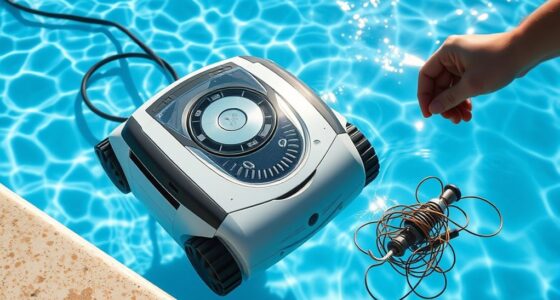
When choosing a pool cleaner, understanding the differences between robotic, suction, and pressure models is essential to finding the right fit for your needs. Each type has unique features that impact your pool maintenance routine, especially when considering energy efficiency and maintenance costs. Robotic cleaners are known for their advanced technology and independence from your pool’s pump system. They typically operate on their own electric power, making them energy-efficient because they don’t draw additional power from your pool’s filtration system. This means you’ll often see lower energy bills over time. Plus, robotic models usually require less maintenance since they have their own filters that are easy to access and clean, reducing the wear and tear on your pool’s existing equipment. Additionally, robotic cleaners often include smart navigation features that ensure thorough coverage of the pool surface, enhancing cleaning efficiency.
Robotic pool cleaners are energy-efficient and low-maintenance, operating independently from your pool’s filtration system.
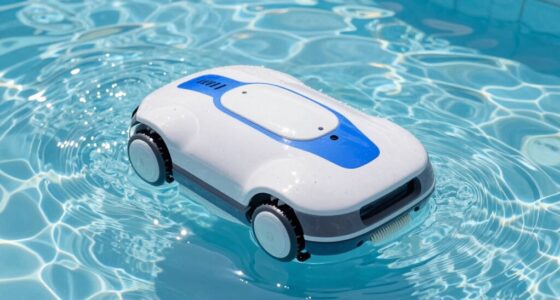
Suction cleaners are generally more straightforward and tend to be less expensive upfront. They connect directly to your pool’s skimmer or dedicated suction line, relying on your pool’s pump to generate the vacuum needed for cleaning. While they are simple to operate and require minimal setup, they tend to be less energy-efficient because they depend on your pump’s power, which can be significant if your system isn’t optimized. Over time, this can lead to higher energy bills, especially if the cleaner runs frequently. Maintenance costs for suction cleaners are usually low, as they have fewer moving parts, but they do rely on your pool’s filter system. Regularly cleaning or replacing the filter can keep the cleaner working effectively, but if the filter gets clogged or damaged, it might require repairs or replacement.
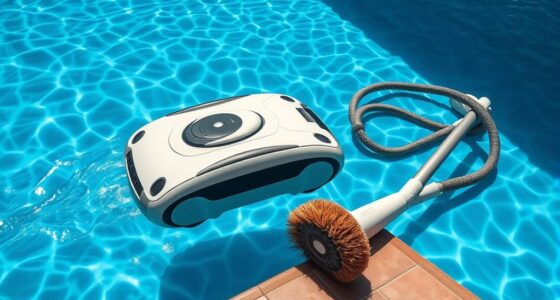
Pressure cleaners, on the other hand, connect to a dedicated pressure line from your pool’s pump. They use the pressure created by your system to propel themselves around the pool and scrub surfaces. These cleaners tend to be robust and effective at cleaning large debris, but they often consume more energy because they rely heavily on your pump’s power. This can increase your energy costs, especially if your system isn’t energy-efficient. Maintenance costs for pressure cleaners are moderate; they usually have fewer parts that need replacing, but the hoses and moving parts can wear out over time, requiring occasional repairs. For optimal performance, selecting a compatible system is important to ensure efficient operation and longevity.
In the end, the choice depends on your priorities. If you want a highly efficient, low-maintenance option that saves on energy, a robotic cleaner is often the best choice. If you’re looking for a budget-friendly solution with minimal setup, a suction cleaner might suit you. For heavy-duty cleaning with larger debris, and if your system can handle the extra load, a pressure cleaner could be the right fit.
robotic pool cleaner with smart navigation
As an affiliate, we earn on qualifying purchases.
As an affiliate, we earn on qualifying purchases.
Frequently Asked Questions
Which Pool Cleaner Is Best for Uneven or Textured Surfaces?
You should choose a robotic pool cleaner for uneven or textured surfaces because of its superior surface adaptation and textured compatibility. These cleaners are designed with adjustable brushes and flexible tracks, allowing them to navigate complex surfaces easily. Suction and pressure cleaners often struggle with textured areas, making robotic options the best for thorough cleaning on uneven pools. They ensure consistent coverage, leaving your pool spotless regardless of surface irregularities.
How Often Should I Run Each Type of Pool Cleaner?
You should run your pool cleaner at least once a week to maintain cleanliness, but more frequent cleaning may be necessary during heavy use or after storms. For robotic cleaners, schedule cleaning every 48-72 hours; suction and pressure cleaners can be run daily if needed. Incorporate these into your regular cleaning schedules and maintenance routines to keep your pool sparkling and reduce long-term debris buildup.
Are Robotic Pool Cleaners Energy-Efficient Compared to Others?
Robotic pool cleaners are generally more energy-efficient, using about 90% less energy than pressure or suction models. This means lower energy consumption and better cost efficiency over time. With their smart navigation and targeted cleaning, they save power while effectively maintaining your pool. If you’re looking to reduce energy bills and improve efficiency, robotic cleaners are a smart choice, helping you keep your pool clean without high energy costs.
Can These Pool Cleaners Handle Large Debris Like Leaves?
Yes, these pool cleaners can handle large debris like leaves, but their effectiveness varies. Robotic cleaners often feature dedicated leaf collection modes and decent debris capacity, making them good for large debris. Suction models typically excel at picking up smaller debris and may struggle with big leaves unless equipped with a larger debris bag. Pressure cleaners, with their powerful jets, can also tackle leaves but might require more frequent debris removal.
What Maintenance Is Required for Each Type of Cleaner?
You need to regularly replace filters to keep your cleaner running efficiently, and check the motor for signs of wear or overheating. Keep an eye on power consumption to spot potential issues early. For robotic cleaners, inspect and replace brushes when worn. Suction and pressure models may require occasional hose or filter cleaning. Proper maintenance guarantees these cleaners operate smoothly and last longer, saving you time and money.
suction pool cleaner for skimmer connection
As an affiliate, we earn on qualifying purchases.
As an affiliate, we earn on qualifying purchases.
Conclusion
Choosing the right pool cleaner depends on your pool size and cleaning needs. For example, if you have a large, debris-heavy pool, a robotic cleaner might be your best bet for thorough, automated cleaning. Conversely, a small pool with light debris could be easily managed with a suction or pressure cleaner. Assess your pool’s specifics, and you’ll find a cleaner that keeps your water crystal clear without the hassle.
pressure pool cleaner for large debris
As an affiliate, we earn on qualifying purchases.
As an affiliate, we earn on qualifying purchases.
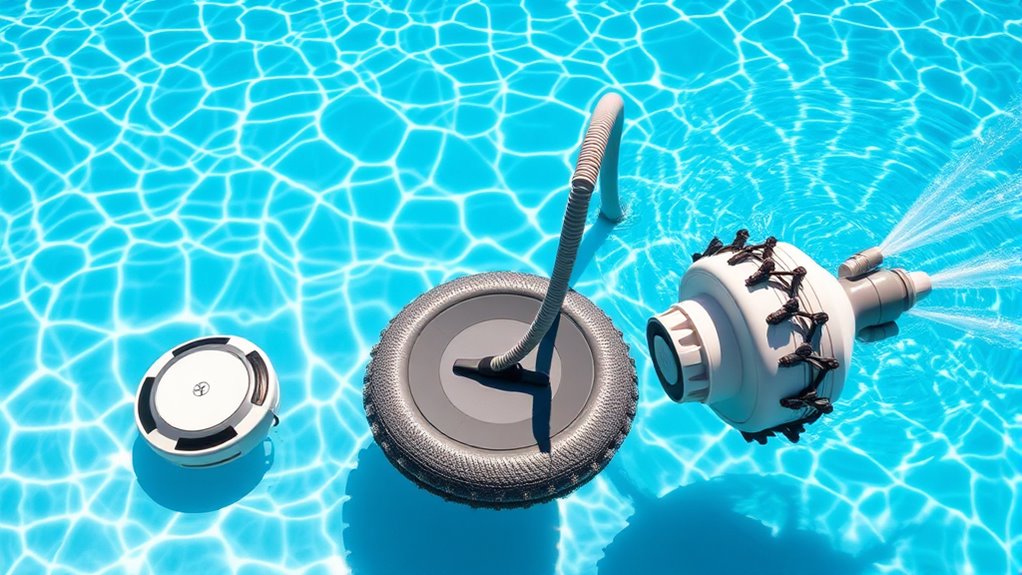
automatic pool cleaner comparison
As an affiliate, we earn on qualifying purchases.
As an affiliate, we earn on qualifying purchases.
Halloween Picks
halloween
As an affiliate, we earn on qualifying purchases.