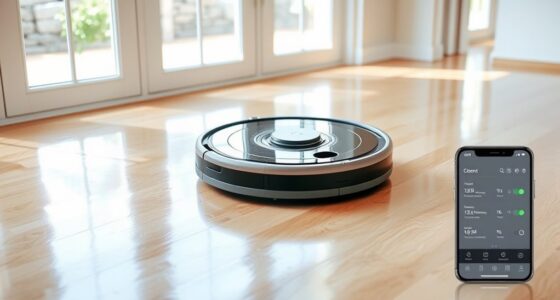

Robot mops are excellent for cleaning floors by removing dirt, debris, and pet hair efficiently. However, they aren’t designed to fully sanitize or eliminate germs and bacteria without manual help. Most can’t use disinfectants effectively or perform UV sterilization needed for true sanitization. To keep your space hygienic, it’s important to combine their use with manual cleaning and disinfectant methods. Keep exploring to learn about features that can improve their sanitizing abilities and best practices for a germ-free environment.
Key Takeaways
- Robot mops primarily clean surfaces but generally lack effective disinfection or sterilization capabilities.
- They cannot reliably eliminate bacteria or viruses without manual intervention or specialized features.
- Most robot mops are not designed to dispense or handle disinfectants properly for thorough sanitization.
- Features like UV sterilization are typically absent, limiting their ability to disinfect shaded or hard-to-reach areas.
- Manual cleaning or dedicated disinfecting tools are necessary for comprehensive sanitization beyond surface cleaning.
How Do Robot Mops Clean Floors?
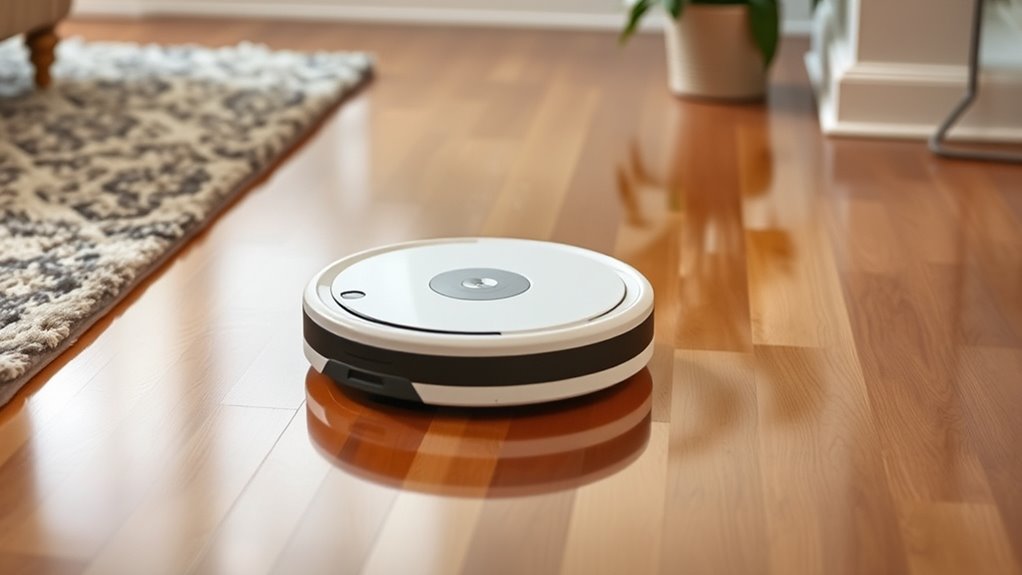
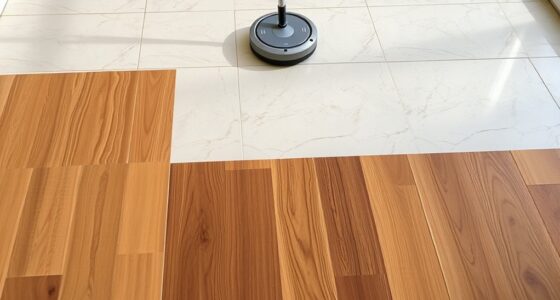
Robot mops clean floors by using built-in sensors and navigation systems to detect dirt and obstacles. This technology allows them to map your space and target dirty spots efficiently. To keep your robot mop functioning at its best, regular robot mop maintenance is essential—cleaning the brushes, emptying the water tank, and checking sensors help prevent malfunctions. Different floor surface types require specific care; for example, hardwood floors need gentle cleaning to avoid scratches, while tile can handle more aggressive scrubbing. Understanding your floor surface types helps you select appropriate cleaning settings and accessories. Proper maintenance ensures the robot operates smoothly, effectively removing dirt and grime without damaging your floors. With the right upkeep, your robot mop can keep your floors spotless with minimal effort.
The Difference Between Cleaning and Sanitizing

Cleaning removes dirt and debris from your floors, while sanitizing kills germs and bacteria. Robot mops are effective at cleaning, but their ability to sanitize depends on their features and cleaning solutions. Understanding this difference helps you choose the right approach for a healthier home.
Cleaning vs. Sanitizing Tasks
While cleaning and sanitizing are often used interchangeably, they serve different purposes in maintaining hygiene. Cleaning removes dirt, dust, and debris that can degrade air quality and trap allergens, especially important if you or your pets suffer from allergies. Sanitizing, on the other hand, reduces bacteria and germs on surfaces, helping prevent illness. Regular cleaning improves overall air quality by reducing dust and pet dander, which is crucial for allergy sufferers. Sanitizing adds an extra layer of protection by killing germs that cleaning alone might leave behind. While robot mops excel at cleaning surfaces efficiently, they typically don’t sanitize in the true sense unless equipped with disinfecting features. Understanding this distinction helps you choose the right tools to keep your home healthy and allergy-friendly.
Effectiveness of Robot Mops
Despite their efficiency at removing dirt and debris, robot mops typically fall short when it comes to truly sanitizing surfaces. They excel at picking up pet hair and polishing floors to a shine, but they don’t reliably kill bacteria or viruses. While some models claim to disinfect, they often lack the necessary contact time and cleaning solutions for effective sanitization. Additionally, they may spread dirt or pet hair around if not properly maintained. For thorough sanitizing, you’ll need to supplement robot mops with manual cleaning or use chemical disinfectants. Relying solely on a robot mop might leave behind germs or allergens that could impact health, especially in homes with pets or vulnerable individuals. Therefore, understanding the limitations helps you set realistic expectations for their cleaning capabilities.
Types of Disinfectants Used in Manual Mopping

When choosing disinfectants for manual mopping, you need to take into account common household options like bleach or alcohol-based solutions. It’s important to get the right concentration and dilution ratios to ensure effectiveness without waste or hazards. Also, check that the disinfectant is safe for your surfaces and won’t cause damage or safety issues.
Common Household Disinfectants
Common household disinfectants play a crucial role in manual mopping to eliminate germs and bacteria from surfaces. When choosing disinfectants, consider these options:
- Bleach solutions—powerful but can impact air quality and irritate pets’ respiratory systems.
- Alcohol-based cleaners—effective and quick-drying, with minimal air quality impact.
- Quaternary ammonium compounds—safe for surfaces and pets when used properly, with less odor.
While these disinfectants help maintain a clean home, their use also affects air quality and pet safety. Always follow label instructions to prevent overuse or improper dilution. Ventilate well during and after mopping to reduce airborne chemicals. Being mindful of these factors ensures you keep your home sanitized without compromising your pet’s health or indoor air quality.
Concentration and Dilution Ratios
Choosing the correct concentration and dilution ratios is essential to guarantee disinfectants are effective without causing damage or health risks. Proper ratios ensure the disinfectant maintains the right pH balance, which is vital for peak performance. If the solution is too concentrated, it can damage surfaces or leave harmful residues; if too diluted, it won’t effectively kill germs. When preparing your cleaning solution, pay attention to organic residues like food or dirt, which can interfere with disinfectant action. Diluting disinfectants properly helps remove these residues and maintains their effectiveness. Always follow manufacturer instructions for accurate ratios. This approach ensures your manual mopping cleans thoroughly, reduces risks of residue buildup, and keeps surfaces safe for your household.
Safety and Material Compatibility
Using the right disinfectants for manual mopping isn’t just about effectiveness; it’s also about safety and compatibility with your surfaces. You need to take into account how chemical reactions might affect your materials, ensuring they don’t cause damage or deterioration. Here are key points to keep in mind:
- Choose disinfectants compatible with your surface materials to prevent damage or reduced material durability.
- Verify that disinfectants won’t trigger harmful chemical reactions, such as corrosion or discoloration.
- Opt for formulas that balance effective sanitization with safety, avoiding harsh chemicals that could weaken surfaces over time.
Can Robot Mops Use Disinfectants Effectively?

Are robot mops capable of effectively using disinfectants to sanitize your floors? It depends on their disinfectant compatibility. Many robot mops are designed to handle water or specific cleaning solutions, but not all can safely use strong disinfectants. Using incompatible disinfectants can damage the mop’s components or reduce its effectiveness. Additionally, robot mop limitations mean they may not dispense disinfectants evenly or at the right concentration needed for proper sanitation. Some models lack the ability to adjust cleaning solutions based on chemical properties. Thus, before adding disinfectants, check your device’s specifications and manufacturer’s recommendations. Relying solely on a robot mop with limited disinfectant compatibility might not achieve the best sanitization, so consider manual cleaning or specialized equipment for thorough disinfection.
The Role of Heat and Chemical Agents in Killing Germs

Heat can effectively kill many germs on surfaces, but it may not reach all hidden areas. Chemical disinfectants are commonly used to enhance sanitation, yet their effectiveness depends on proper application. Keep in mind, there are limitations to sanitization methods, so combining heat and chemicals offers the best protection.
Heat’s Germicidal Power
When it comes to killing germs, heat plays a crucial role by disrupting the proteins and cell structures that sustain microorganisms. This is the core of heat’s germicidal power, making thermal sterilization an effective method. Here’s how heat works:
- It denatures enzymes, stopping essential processes.
- It damages cell membranes, causing leakage.
- It destroys DNA, preventing reproduction.
Chemical Disinfectants Used
Chemical disinfectants play a vital role in eliminating germs by destroying cell components and disrupting essential biological functions. The effectiveness of these agents depends on their chemical composition, which determines how they interact with microbes. Common disinfectant types include alcohol-based solutions, quaternary ammonium compounds, and chlorine-based agents. Alcohol disinfectants, like isopropanol, denature proteins and dissolve cell membranes rapidly. Quaternary ammonium compounds break down microbial cell walls, making them effective against bacteria and fungi. Chlorine-based disinfectants, such as bleach, oxidize cellular structures, killing a wide range of pathogens. When used correctly, these disinfectants can considerably reduce germ presence on surfaces, complementing heat-based methods. However, their effectiveness depends on proper contact time, concentration, and surface compatibility.
Limitations of Sanitization
Although heat and chemical agents are effective in killing germs, they have notable limitations that can reduce their overall impact. First, ultraviolet sterilization relies on direct exposure, so shadows or obstructions can prevent full disinfection. Second, chemicals may not reach all surfaces during manual cleaning, leaving some germs behind. Third, heat treatments like steam can damage delicate surfaces or be impractical for large areas. These factors mean that relying solely on heat or chemicals might not ensure complete sanitization. Robot mops, while helpful, can’t perform UV sterilization effectively in shadowed areas or replace thorough manual cleaning. Recognizing these limits helps you understand that combining methods offers the best protection against germs.
Limitations of Robot Mops in Eliminating Bacteria

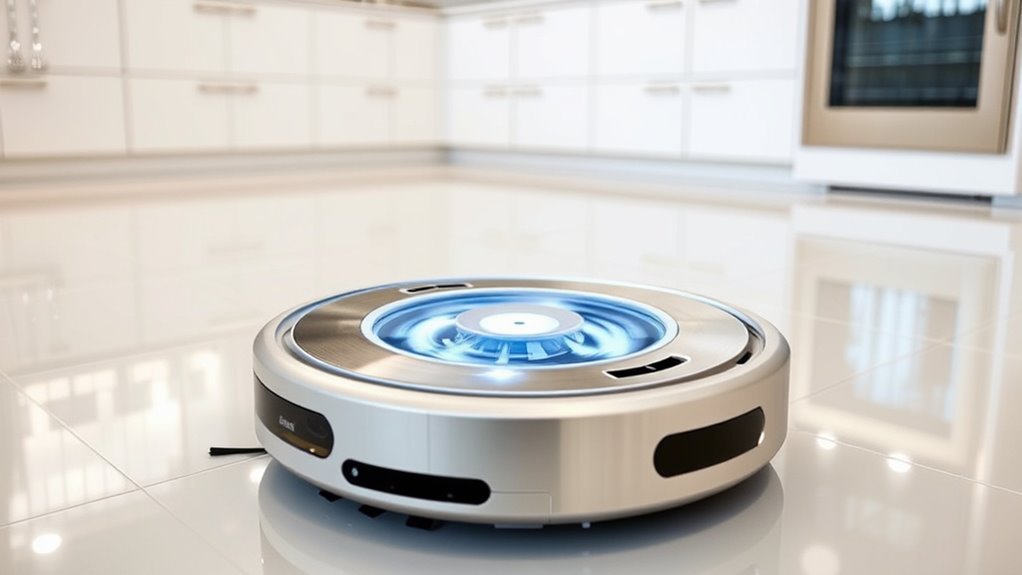
Despite their advanced technology, robot mops have limitations when it comes to fully eliminating bacteria from surfaces. While UV sterilization can help reduce bacteria in hard-to-reach areas, most robot mops lack strong UV systems capable of thorough sterilization. Additionally, antimicrobial coatings applied to floors or surfaces can inhibit bacterial growth, but robot mops usually don’t rely on these coatings to sanitize effectively. They primarily focus on cleaning surfaces rather than sterilizing at a microscopic level. As a result, bacteria can survive in areas the robot doesn’t thoroughly clean or reach. So, while robot mops are useful for daily cleaning, they shouldn’t be solely relied upon to eliminate all bacteria, especially in environments requiring strict sterilization standards.
Features to Look for in a Sanitizing Robot Mop

When choosing a sanitizing robot mop, you should prioritize features that enhance its cleaning and sterilization capabilities. First, look for models with adjustable spray or steam functions to improve disinfectant distribution, addressing robot mop limitations. Second, verify the mop is compatible with chemical disinfectants you plan to use, increasing its effectiveness. Third, opt for units with intelligent sensors that detect dirt and high-touch areas, maximizing sanitization. These features help overcome limitations, like uneven cleaning or chemical incompatibility. Also, confirm the device’s ability to use approved disinfectants safely. Prioritizing these features ensures your robot mop delivers thorough sanitization while working within its technical limits.
Industry Standards and Certifications for Sanitization

Understanding industry standards and certifications is essential to guarantee your sanitizing robot mop meets safety and effectiveness benchmarks. These standards ensure the device performs reliably and safely in your environment. Certification processes evaluate factors like disinfection efficacy, safety protocols, and device durability. To visualize this, consider the following overview:
| Standard/Certification | Focus Area | Validity |
|---|---|---|
| EPA Registration | Chemical safety | Regulatory approval for disinfectants |
| NSF Certification | Surface sanitization | Ensures cleaning efficacy |
| UL Certification | Electrical safety | Meets electrical safety standards |
| ISO Standards | Quality management | Consistent performance across devices |
Best Practices for Ensuring a Germ-Free Environment
To maintain a truly germ-free environment, it’s important to follow proven best practices that complement your sanitizing robot mop’s capabilities. First, confirm your robot mop has good durability; a sturdy device lasts longer and maintains cleaning efficiency. Second, optimize cleaning robot navigation by removing obstacles and setting clear paths, allowing thorough coverage. Third, regularly update your robot’s software to improve navigation and cleaning patterns, preventing missed spots. Additionally, manually pre-clean high-traffic or heavily soiled areas before using the robot. Combining these practices maximizes the mop’s effectiveness, helps prevent germs from spreading, and ensures consistent sanitation. Remember, a well-maintained robot, paired with strategic cleaning routines, is your best defense against germs.
Combining Robot Mops With Other Cleaning Strategies
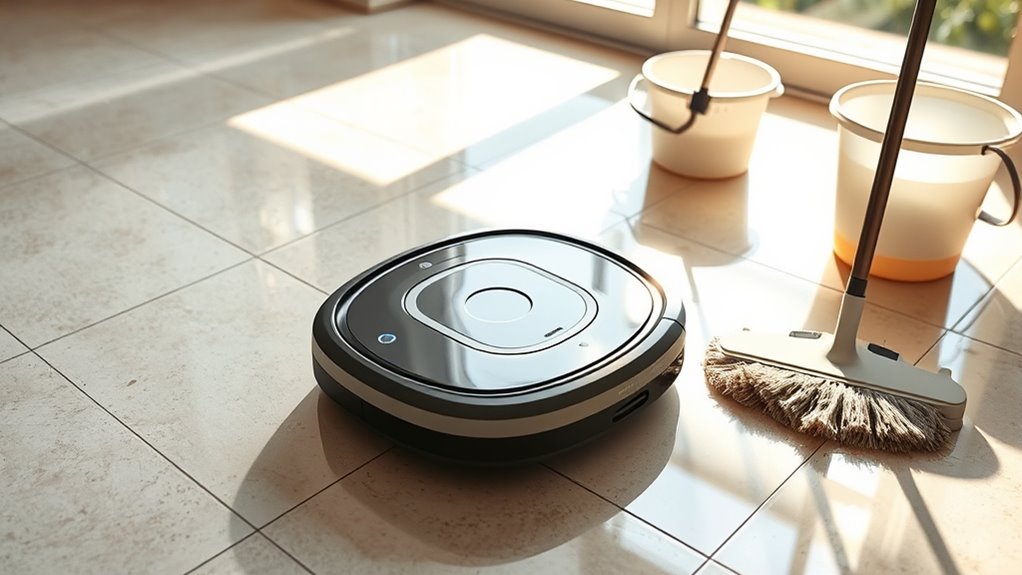
While robot mops are effective for routine sanitation, combining them with other cleaning strategies can considerably enhance overall hygiene. Relying solely on robot mop technology may leave gaps, especially in high-touch areas or deep cleaning. To maximize effectiveness, integrate manual cleaning, disinfecting, and scheduled deep cleans into your routine. Create a cleaning schedule that aligns with your robot mop’s routine, ensuring thorough coverage. Consider using manual mops or disinfectants periodically to target stubborn germs and hidden dirt. This approach reduces the risk of cross-contamination and boosts cleaning efficiency.
| Strategy | Frequency | Purpose |
|---|---|---|
| Routine robot mopping | Daily or as scheduled | Basic surface sanitation |
| Manual cleaning | Weekly or bi-weekly | Target stubborn dirt |
| Disinfecting | After spills, high-touch areas | Eliminate germs |
| Deep cleaning | Monthly | Deep grime and bacteria removal |
Frequently Asked Questions
Can Robot Mops Eliminate Viruses Like COVID-19?
Robot mops cannot fully eliminate viruses like COVID-19 through surface sterilization alone. They typically rely on water and cleaning solutions, which may have limited chemical compatibility for killing all viruses. While they can reduce dirt and some germs, they aren’t a substitute for thorough disinfecting methods. To guarantee safety, combine their use with proper disinfectants and manual cleaning, especially on high-touch surfaces.
How Often Should Robot Mops Be Used for Effective Sanitization?
Think of your robot mop as a diligent garden gnome, consistently tending to your floors. For effective sanitization, you should run it at least 2-3 times a week, depending on foot traffic and household size. Incorporate it into your cleaning schedules and maintenance routines to keep germs at bay. Regular use guarantees your floors stay cleaner and safer, just like a trusty guardian watching over your home.
Are Robot Mops Suitable for All Types of Flooring?
Robot mops are suitable for most flooring types, including hardwood, but you should check for hardwood compatibility to avoid damage. They’re generally not effective on carpets for cleaning or sanitizing. If you have hardwood floors, make sure your robot mop has gentle settings to protect the surface. For carpets, consider a vacuum or specialized carpet cleaning device instead. Always follow manufacturer guidelines to keep your flooring safe.
Do Robot Mops Require Special Cleaning Solutions for Sanitizing?
Nope, you don’t need special cleaning chemicals for robot mops. They’re designed to work with standard floor-compatible solutions, so you can stick to your usual cleaning chemicals without worry. Ironically, you might think these high-tech devices need fancy sanitizers, but they just follow basic instructions. Just guarantee your cleaning solutions are compatible with your floor type, or you risk damage—simple as that.
How Do Robot Mops Compare to Manual Disinfecting Methods?
You’ll find that robot mops are convenient, but manual cleaning with disinfectants often provides better disinfectant effectiveness. While robot mops can handle routine cleaning and some sanitizing, they might not reach all surfaces or use stronger disinfectants that manual methods can. If you prioritize thorough disinfecting, manual cleaning with proven disinfectants is more reliable, especially for high-touch areas. Use robot mops for maintenance, but don’t rely on them solely for complete sanitation.
Conclusion
While robot mops can effectively clean your floors, they can’t replace thorough sanitizing like a pro. Think of them as a gentle breeze—great for maintenance but not enough to eliminate every germ. For a truly germ-free home, combine your robot mop with disinfectants and good cleaning habits. This way, you’ll keep your space as safe and fresh as a spring morning, ensuring germs don’t have a chance to settle in.