AI-powered obstacle avoidance helps your robot vacuum detect hazards like poop and cables more effectively. By combining advanced sensors such as infrared, ultrasonic, and cameras, the vacuum creates a detailed map of its surroundings. Machine learning enables it to recognize common hazards and adapt over time, reducing false alarms and preventing mishaps. This smarter system guarantees your cleaning is safer and more thorough—continue to discover how these technologies work together to protect your home.
Key Takeaways
- AI-enhanced sensors enable robot vacuums to detect and differentiate small, subtle hazards like pet waste and thin cables in real-time.
- Machine learning models improve obstacle recognition accuracy by learning typical shapes and positions of hazards over time.
- Sensor fusion combines infrared, ultrasonic, and camera data to create a comprehensive environment map, reducing false detections.
- AI allows vacuums to adapt to changing environments, better avoiding hazards as layouts or obstacle appearances evolve.
- Advanced obstacle avoidance systems minimize collisions with cords and poop, ensuring safer, more efficient cleaning without manual intervention.
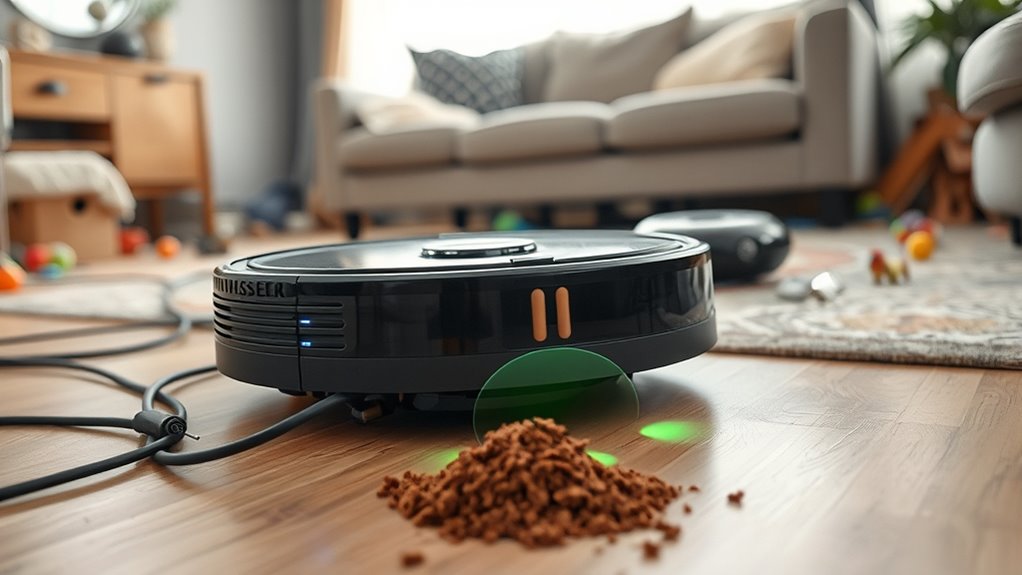
Obstacle avoidance has become a critical feature in modern robotics and autonomous systems, enabling machines to navigate complex environments safely and efficiently. When it comes to robot vacuums, this means smarter detection of obstacles like cords, pet waste, or uneven surfaces. To achieve this, developers have turned to advanced techniques such as sensor fusion and machine learning. Sensor fusion combines data from multiple sensors—like infrared, ultrasonic, and cameras—to create a thorough understanding of the environment. This layered sensing approach helps the robot distinguish between different types of obstacles, ensuring it doesn’t mistake a cable for a wall or overlook a small pile of poop. By integrating these sensors, the robot gains a more accurate, real-time map of its surroundings, reducing false alarms and missed detections. Moreover, the use of next-generation sensors enhances the robot’s ability to detect subtle hazards more reliably.
Machine learning plays a crucial role in refining obstacle recognition and avoidance. As the robot operates, it collects vast amounts of data, which it then processes to improve its decision-making capabilities. For example, if your vacuum often encounters and gets confused by a tangled cord, the system learns to recognize the cord’s typical shape and position, avoiding it more effectively in future passes. Over time, the robot becomes better at predicting where hazards might be, even if they aren’t present during every cleaning session. It learns from past experiences, adapting to changes in your home environment. This continuous learning process allows the vacuum to develop a nuanced understanding of different obstacles, making it less likely to get stuck or cause accidents.
The combination of sensor fusion and machine learning results in a more intelligent obstacle avoidance system. Instead of relying solely on fixed rules—like “stop when an object is detected”—your robot develops an adaptive strategy. It can differentiate between a stray sock, a cable, or a pet’s toy, and decide whether to navigate around or avoid altogether. This not only enhances cleaning efficiency but also protects your belongings. The robot’s ability to process complex sensor data through fusion, paired with the predictive power of machine learning, means fewer collisions and less need for manual intervention.

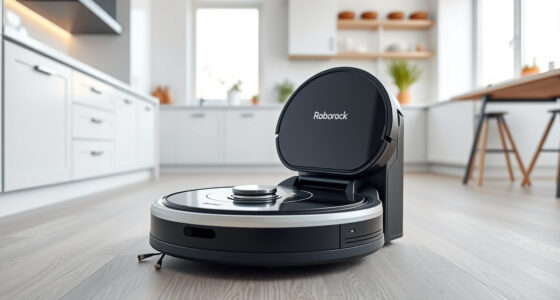
roborock Q10 S5+ Robot Vacuum and Mop, 10,000Pa Suction
- Long-Lasting Self-Emptying: 70 days of maintenance-free cleaning
- Powerful Suction: 10,000 Pa for deep cleaning
- Anti-Tangle Dual System: Reduces hair tangling for smooth operation
As an affiliate, we earn on qualifying purchases.
As an affiliate, we earn on qualifying purchases.
Frequently Asked Questions
How Do Ai-Powered Vacuums Detect Hidden Obstacles?
You can rely on AI-powered vacuums to detect hidden obstacles through advanced sensor integration, such as infrared and ultrasonic sensors. These devices enhance mapping accuracy by creating detailed room maps and identifying objects beneath surfaces or around corners. When you operate the vacuum, it actively scans and updates its environment in real time, allowing it to avoid surprises like cables or pet waste, ensuring thorough cleaning without getting stuck or missing spots.
Can Obstacle Avoidance AI Adapt to New Environments Automatically?
Imagine your robot vacuum steering your home’s maze, seamlessly adjusting to new obstacles. Yes, AI-powered vacuums use machine learning to adapt automatically to unfamiliar environments. They analyze surroundings in real-time, updating their data to improve obstacle detection and avoidance. This environmental adaptation allows your vacuum to handle changes like new furniture or clutter without manual programming, ensuring efficient cleaning every time you press start.
What Sensors Are Used for Advanced Obstacle Detection?
You use sensor fusion and infrared detection for advanced obstacle detection. Sensor fusion combines data from multiple sensors like ultrasonic, infrared, and bump sensors, giving you a thorough view of your environment. Infrared detection helps identify obstacles in low-light conditions and near the floor, such as poops or cables. Together, these sensors enable your robot vacuum to navigate efficiently, avoid hazards, and adapt to new environments seamlessly.
How Does AI Improve Obstacle Recognition Accuracy?
Did you know AI markedly boosts obstacle recognition accuracy, reducing false alarms by up to 30%? You see, it uses machine learning to analyze sensor data, improving detection over time. Sensor fusion combines inputs from multiple sensors, giving the robot a clearer understanding of its surroundings. This combination helps your robot vacuum dodge poop, cables, and furniture more precisely, making cleaning safer and more efficient.
Are There Privacy Concerns With AI Mapping My Home?
Yes, there are privacy concerns with AI mapping your home, especially regarding data security. Your robot vacuum collects detailed maps of your space, which could be vulnerable if not properly protected. To safeguard your privacy, guarantee your device uses strong encryption, updates firmware regularly, and limits data sharing. Being aware of these measures helps you maintain control over your information and reduces potential privacy risks.

Shark AV2501S AI Ultra Robot Vacuum, with Matrix Clean, Home Mapping, 30-Day Capacity HEPA Bagless Self Empty Base, Perfect for Pet Hair, Wifi, Dark Grey
- Powerful Suction: Cleans all floor types effectively
- Matrix Clean Navigation: Ensures thorough, precise cleaning coverage
- Self-Emptying Base: Holds up to 30 days of debris
As an affiliate, we earn on qualifying purchases.
As an affiliate, we earn on qualifying purchases.
Conclusion
Imagine a robot vacuum that effortlessly dodges poop, cables, and other tricky obstacles without you even noticing. Thanks to advanced AI, this isn’t just a dream—it’s reality. As technology continues to evolve, do you think your smart home will soon handle every mess with perfect precision? With smarter obstacle avoidance, you can enjoy a cleaner home with less hassle. Isn’t it time your vacuum did more than just clean—it outsmarted every obstacle in its way?
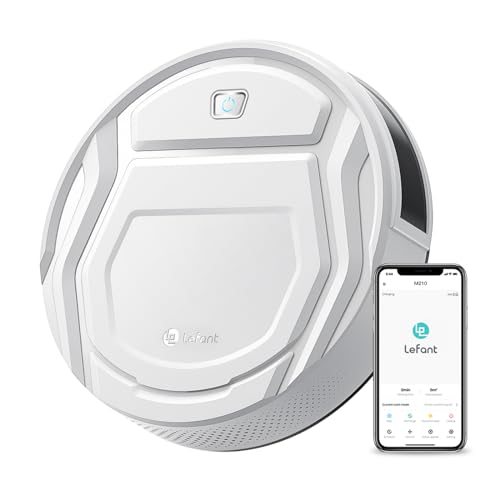
Lefant Robot Vacuum Cleaner, Strong Suction, 120 Mins Runtime, Slim, Low Noise, Automatic Self-Charging, Wi-Fi/App/Alexa Control, Ideal for Pet Hair Hard Floor and Daily Cleaning, M210
- Pet-Friendly Design: Ideal for homes with pets
- App Connectivity: Requires new Lefant app for full features
- Compact Size: 11-inch diameter, 2.99-inch height for tight spaces
As an affiliate, we earn on qualifying purchases.
As an affiliate, we earn on qualifying purchases.
roborock Q10 S5+ Robot Vacuum and Mop, 10,000Pa Suction
- Long-Lasting Self-Emptying: 70 days of maintenance-free cleaning
- Powerful Suction: 10,000 Pa for deep cleaning
- Anti-Tangle Dual System: Reduces hair tangling for smooth operation
As an affiliate, we earn on qualifying purchases.
As an affiliate, we earn on qualifying purchases.