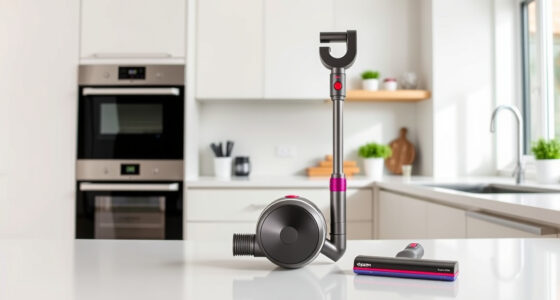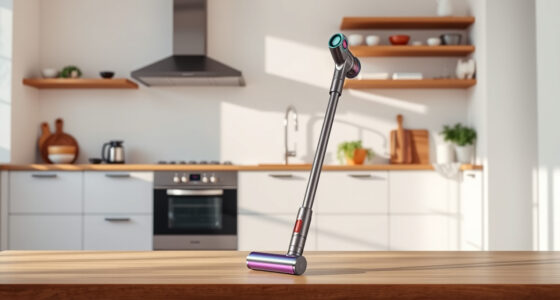
Before your first run, know that your robot vacuum works best on clear surfaces and may struggle with thick carpets or long pet hair. Regularly emptying the dustbin, checking brushes, and understanding filter technology like HEPA can improve performance and air quality. Adjusting suction levels and using smart mapping features help it navigate better. Proper setup and maintenance are key to avoiding surprises. Keep going, and you’ll discover even more tips to maximize your vacuum’s efficiency.
Key Takeaways
- Understanding your home’s surface types helps optimize suction and brush settings for better cleaning.
- Regularly emptying the dustbin and checking brushes prevents clogs and maintains suction power.
- Adjusting sensor and navigation settings improves obstacle avoidance and cleaning coverage.
- Choosing a model with advanced filters like HEPA enhances allergy relief and air quality.
- Preparing the environment by clearing clutter and blocking off sensitive areas ensures thorough, efficient cleaning.
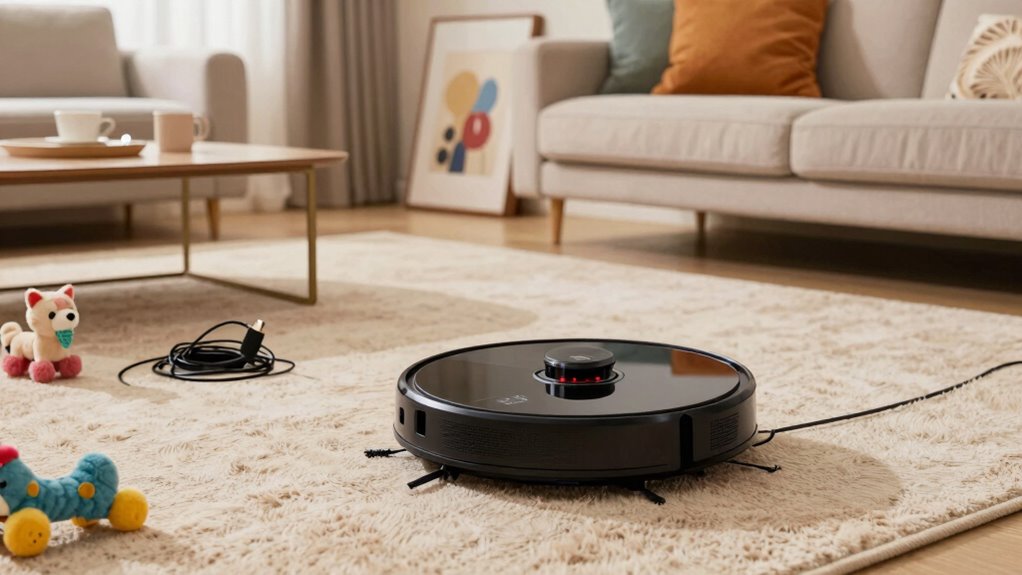
Are you new to using robot vacuums and wondering how to get the most out of your device? Starting with a robot vacuum can seem straightforward, but there are a few tips that seasoned owners wish they’d known before their first run. One of the most common surprises is how well these devices handle pet hair. If you have pets, you’ll quickly discover that a good robot vacuum can make a considerable difference in keeping your home tidy. However, not all models are equally effective at picking up pet hair, especially on thick carpets or long-haired animals. You might find that some vacuums get clogged or struggle to pick up hair in tight corners. Investing in a model with a strong suction power and specialized brushes designed for pet hair can save you frustration. Regularly emptying the dustbin and checking the brushes will guarantee your vacuum maintains peak performance. Additionally, understanding the importance of filter technology in your vacuum’s ability to trap allergens can help improve its overall effectiveness. Moreover, choosing a model with adjustable suction settings can further enhance its capability to clean different surfaces thoroughly.
Another aspect many owners overlook is allergy management. If you or your family members suffer from allergies, you’ll want to choose a robot vacuum equipped with advanced filters, such as HEPA filters, to trap airborne allergens like dust mites, pollen, and pet dander. These filters can greatly improve indoor air quality and reduce allergy symptoms. When you first start using your robot vacuum, make sure to run it frequently, especially in areas where allergens tend to settle, like bedrooms and living rooms. Consistent cleaning helps prevent the buildup of irritants in your home, making it more comfortable for allergy sufferers. Also, keep in mind that some vacuums allow you to schedule cleanings during times when you’re not home, so your space stays allergen-free without manual effort. Additionally, understanding the importance of contrast ratio in your vacuum’s lighting and sensor capabilities can help optimize its navigation and cleaning efficiency in various lighting conditions. To maximize the effectiveness of your vacuum, it’s helpful to understand how sensor technology influences its ability to adapt to different environments and obstacles. Furthermore, selecting a model with smart mapping features can significantly streamline the cleaning process and reduce missed spots. Regular maintenance and proper space preparation will further enhance your vacuum’s performance and longevity.

Shark AV2501AE AI Robot Vacuum with XL HEPA Self-Empty Base, Bagless, 60-Day Capacity, LIDAR Navigation, Perfect for Pet Hair, Compatible with Alexa, Wi-Fi Connected, Carpet & Hard Floor, Black
INCREDIBLE SUCTION: Powerful Shark suction picks up dirt and debris on all floor types—tackling even the toughest of…
As an affiliate, we earn on qualifying purchases.
As an affiliate, we earn on qualifying purchases.
Frequently Asked Questions
How Do I Reset My Robot Vacuum if It Gets Stuck?
If your robot vacuum gets stuck, start with navigation troubleshooting by removing any obstacles and clearing its path. Then, follow the resetting procedures specific to your model—usually, press and hold the power or home button for a few seconds until it restarts. Sometimes, a simple reset can fix navigation issues, allowing your vacuum to resume cleaning efficiently. Always consult your user manual for detailed resetting instructions.
Can Robot Vacuums Clean Carpets and Hard Floors Simultaneously?
Yes, robot vacuums can clean carpets and hard floors simultaneously, thanks to features like carpet shift settings and floor sensors. These sensors detect surface changes and automatically adjust suction power or navigate more carefully over carpets. Make sure your vacuum’s settings are optimized for mixed surfaces, and enable any specific carpet boost modes. This way, you get thorough cleaning on both surfaces without manual adjustments during your cleaning routine.
What’s the Best Way to Maintain the Vacuum’s Battery Life?
Think of your vacuum’s battery as a delicate seed; proper battery optimization is key to growth. To nurture it, keep your charging habits consistent—avoid letting the battery fully drain or stay constantly plugged in. Regularly clean the charging contacts and don’t overuse quick-charges. By tending to these habits, you’ll extend your vacuum’s battery life, ensuring it’s ready to clear your floors whenever you need.
Are Robot Vacuums Safe for Pet Hair and Allergies?
Robot vacuums are generally safe for pet hair removal and allergy prevention, especially models designed with HEPA filters. They effectively pick up pet hair and reduce allergens, helping improve indoor air quality. However, regularly emptying the dustbin and maintaining filters is essential to prevent allergen buildup. Be sure to choose a vacuum specifically designed for pet hair and allergy concerns for the best safety and cleaning efficiency in your home.
How Often Should I Schedule a Deep Clean or Maintenance?
Think of your robot vacuum like a car—regular maintenance keeps it running smoothly. You should schedule deep cleans and maintenance every one to three months, depending on usage and pets. Follow cleaning schedules and maintenance tips like emptying the bin frequently, checking brushes, and cleaning filters. Doing so prevents clogs and guarantees peak performance, extending your vacuum’s lifespan and keeping your home spotless.
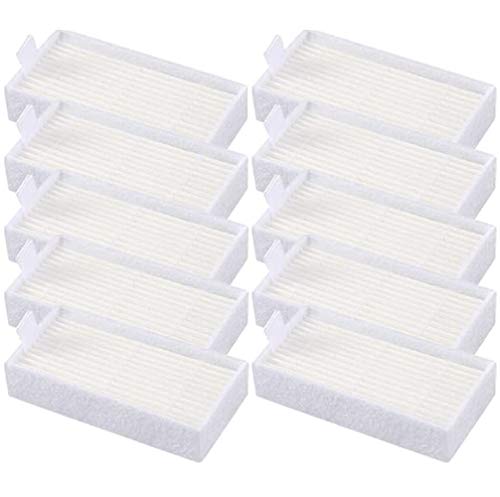
10pcs HEPA Filters Replacement for ILIFE V3s V3s pro V5 V5s V5s Pro V5s Pro 2 V5s Plus Noisz S5 Robotic Vacuum Cleaner ILIFE V3s pro Filters ILIFE Robot Vacuum Filter
Hepa filters for Ilife Vacuum model V3, V3s V3s pro V5 V5s V5s Pro Vacuum Cleaning Robot. Ilife…
As an affiliate, we earn on qualifying purchases.
As an affiliate, we earn on qualifying purchases.
Conclusion
Before your first run, remember that patience often reveals the best results. Embrace the learning curve as a gentle guide, helping you discover the quirks and charms of your robot vacuum. With a bit of preparation and a watchful eye, you’ll find your cleaning routine becoming smoother and more efficient. In time, your device will become a trusted partner, quietly keeping your space tidy—turning small lessons into big comfort, one thoughtful sweep at a time.

ROPVACNIC Robot Vacuum Cleaner Robot Vacuum and Mop Combo with 5200Pa Suction, Personalized Cleaning Adjustments, Self-Charging Robotic Vacuum Cleaner, Advanced Obstacle Avoidance
【2-in-1 Mopping and Vacuuming】 The ROPVACNIC Robot S1 integrates advanced electronically controlled mopping technology, significantly enhancing both cleaning…
As an affiliate, we earn on qualifying purchases.
As an affiliate, we earn on qualifying purchases.

Tikom Robot Vacuum and Mop Combo, 5000Pa Robotic Vacuum Cleaner, 150 Min Max, App & Remote Control, Ideal for Hard Floor, Carpet, Pet Hair, Self-Charge(G8000 Max)
5000Pa Strong Suction: Robot Vacuum With 5000Pa suction power, it effortlessly removes pet hair, dust, and debris from…
As an affiliate, we earn on qualifying purchases.
As an affiliate, we earn on qualifying purchases.