
Robot vacuums use considerably less energy than traditional uprights, typically consuming between 15 and 50 watts during operation. Their efficient small motors and energy-saving features mean they hardly impact your electricity bill. Running a robot vacuum regularly only adds a few cents a month, making the cost minimal. If you want to learn more about how these devices are designed to conserve energy and keep costs low, keep going.

Get home appliances delivered free with Prime
- Fast, free delivery on millions of items
- Prime Video, Amazon Music and more included
- Member-only deals all year
Key Takeaways
- Robot vacuums typically consume between 15 and 50 watts, much lower than traditional vacuums, resulting in minimal energy costs.
- Energy-saving modes and smart features help optimize power use, further reducing their impact on electricity bills.
- Regular use for about 30 minutes daily adds only a few cents to monthly electricity expenses.
- Modern robot vacuums are designed with energy-efficient technology to minimize power consumption without sacrificing cleaning quality.
- Overall, their impact on electricity bills is generally negligible, making them a cost-effective cleaning solution.

Robot vacuums have become a popular convenience, but many people worry about how much they’ll increase their electricity bills. It’s a valid concern, especially if you’re trying to keep your energy costs low. The good news is that most robot vacuums are designed with energy efficiency in mind, which helps keep their power consumption relatively low compared to traditional vacuum cleaners. When considering whether a robot vacuum will considerably impact your electricity bill, it’s helpful to understand how they operate and what factors influence their energy use.
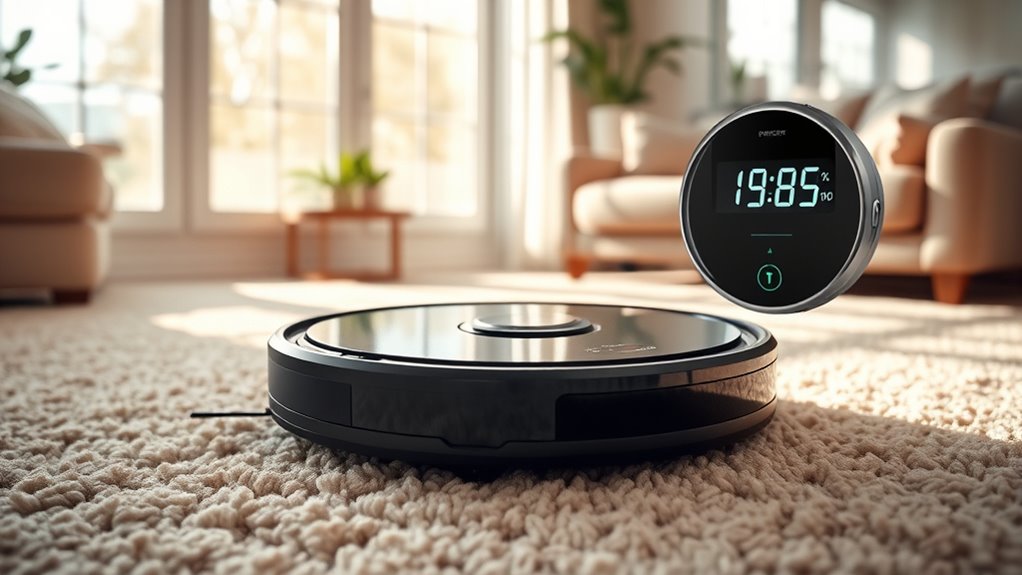
Typically, the power consumption of a robot vacuum ranges between 15 and 50 watts while in operation. This is much lower than a standard upright vacuum, which can use hundreds of watts. Because robot vacuums are compact and optimized for efficiency, they use energy more conservatively. Their smaller motors and smart features allow them to clean effectively without drawing excessive power. Additionally, many models have energy-saving modes, allowing you to reduce power usage during lighter cleaning tasks or when the battery is running low.
Energy efficiency is a key feature to look for when choosing a robot vacuum. Modern models often incorporate smart sensors and adaptive cleaning algorithms that help them optimize their cleaning paths and avoid unnecessary energy expenditure. Some vacuums even return to their charging stations automatically when their batteries get low, ensuring they don’t waste energy running on empty or during inefficient cleaning cycles. These design elements make energy efficiency a priority, helping you save on electricity without sacrificing cleaning quality.
The amount of power your robot vacuum consumes ultimately depends on how often you run it and the duration of each cleaning session. Running it for 30 minutes a day, for example, typically adds only a few cents to your monthly electricity bill. Over time, the cumulative cost remains minimal, especially when compared to the savings of not having to do manual cleaning. Furthermore, the integration of energy-efficient technology in modern vacuum models ensures that they use even less power while maintaining cleaning performance. Many users find that the convenience of automated cleaning outweighs any slight increase in energy use.
As an affiliate, we earn on qualifying purchases.
Frequently Asked Questions
How Does the Energy Efficiency of Robot Vacuums Compare to Traditional Vacuums?
Robot vacuums are generally more energy-efficient than traditional vacuums because they use less power and are designed for ideal battery longevity. Their power management features help conserve energy during operation, making them cost-effective and eco-friendly. You’ll notice they consume less electricity overall, especially since they run on rechargeable batteries that maximize usage time without unnecessary power drain. This makes robot vacuums a smarter, energy-efficient cleaning option for your home.
Do Different Brands of Robot Vacuums Have Significantly Different Electricity Consumptions?
Absolutely, different brands of robot vacuums vary wildly in energy consumption, making your decision as exciting as watching paint dry. A brand comparison reveals some models guzzle power with less battery longevity, while others are energy-efficient marvels. If you’re all about saving on the electric bill, look for those boasting longer battery life and smarter power management. Otherwise, prepare for your wallet to cry just a little louder.
Can Using a Robot Vacuum Reduce Overall Household Energy Consumption?
Using a robot vacuum can help reduce your overall household energy consumption by replacing manual cleaning, which often uses more power-consuming tools like traditional vacuums and cleaning equipment. Since robot vacuums are energy-efficient and operate automatically, they promote energy conservation. This not only saves you money on your electricity bill but also makes maintaining a clean home more sustainable, encouraging eco-friendly habits effortlessly.
Are There Specific Features That Make Some Robot Vacuums More Energy-Efficient?
Yes, some robot vacuums are more energy-efficient due to features like optimized motor systems and smart sensors. Look for models with longer battery longevity, which use less power over time, and quieter operation, indicating efficient energy use. These features help reduce overall energy consumption while maintaining cleaning performance, making your vacuum more eco-friendly and cost-effective.
How Often Should I Run My Robot Vacuum to Save on Electricity Costs?
You should run your robot vacuum about 2-3 times a week to save on electricity costs. This frequency helps maintain battery lifespan while preventing overuse. Stick to a consistent cleaning schedule that matches your home’s needs, and avoid running it excessively. Properly managing your cleaning routines guarantees your vacuum stays efficient, and you minimize energy consumption without sacrificing cleanliness.
low wattage robot vacuum cleaner
As an affiliate, we earn on qualifying purchases.
As an affiliate, we earn on qualifying purchases.
Conclusion
In the end, a robot vacuum is like a tiny, hardworking ant quietly doing its job without draining your energy bill. While it does use some power, it’s a small splash compared to larger appliances. So, don’t worry—your smart little helper won’t turn your home into an energy monster. It’s a cost-effective way to keep your space tidy, letting you enjoy a cleaner home without worrying about your electricity bill ballooning like a balloon on a hot day.
smart robot vacuum with energy saving mode
As an affiliate, we earn on qualifying purchases.
As an affiliate, we earn on qualifying purchases.
compact robot vacuum for small apartments
As an affiliate, we earn on qualifying purchases.
As an affiliate, we earn on qualifying purchases.
Halloween Picks
halloween
As an affiliate, we earn on qualifying purchases.