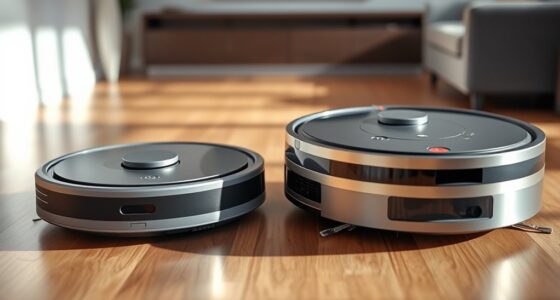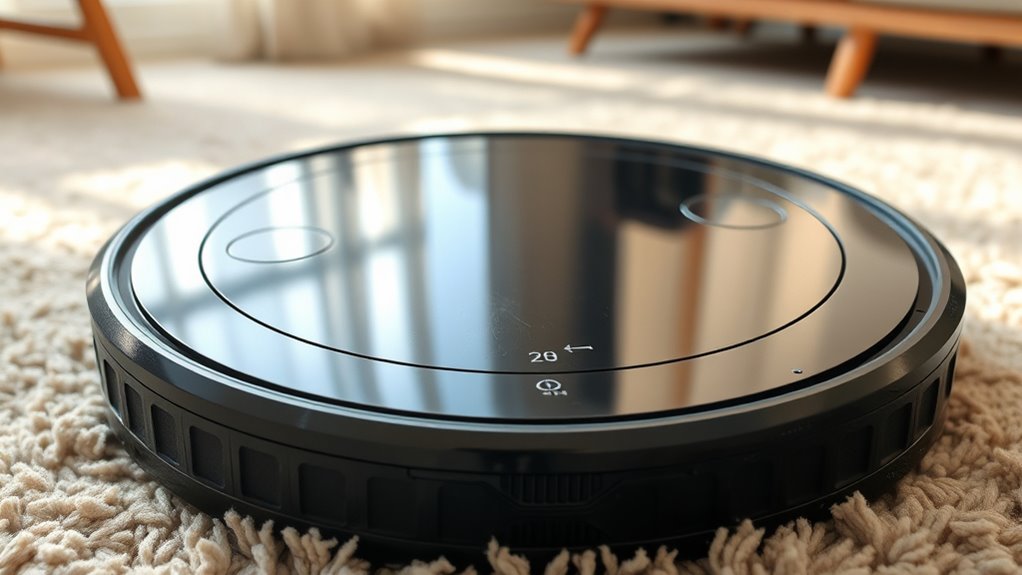
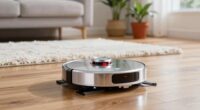
Robot vacuums typically last between three and five years, but their longevity depends on how well you maintain them. Regular cleaning, timely battery replacements, and replacing worn brushes and filters can extend their lifespan. Proper care prevents mechanical issues and keeps performance ideal. Keep an eye on battery health and device condition, as these factors influence how long your vacuum can serve you. If you want to learn tips to make yours last even longer, keep going.
Key Takeaways
- Robot vacuums typically last between 3 to 5 years with proper maintenance.
- Battery degradation over time reduces cleaning performance, often requiring replacement around 2-3 years.
- Regular cleaning of brushes, filters, and sensors extends the device’s lifespan.
- Following manufacturer guidelines for part replacements helps prevent mechanical failures.
- Signs to replace include declining cleaning efficiency, frequent breakdowns, or battery issues beyond repair.

Ever wondered how long your robot vacuum will last? The answer depends on several factors, but understanding the basics can help you get the most out of your device. On average, a quality robot vacuum can last between three to five years with proper care. However, that lifespan isn’t set in stone; it’s influenced heavily by how you maintain it and how often components like the battery need replacement. Regular cleaning maintenance is essential to keep your vacuum functioning smoothly. This includes clearing out dustbins, cleaning sensors, and checking brushes for debris. When you keep these parts in good shape, your robot will perform better and last longer.
One of the most critical aspects of prolonging your robot vacuum’s lifespan is managing its battery health. Over time, batteries naturally degrade, leading to reduced run times and less cleaning power. When you notice your vacuum isn’t holding a charge as long as it used to, it might be time for a battery replacement. Swapping out an old battery is usually straightforward and can considerably extend the life of your device. Many models allow you to replace the battery yourself, but for others, professional service might be necessary. Addressing battery issues early can prevent the vacuum from shutting down mid-clean or becoming less effective at picking up dirt.
Beyond the battery, consistent cleaning maintenance helps prevent mechanical issues and keeps your vacuum running efficiently. Regularly removing hair and string from brushes, inspecting wheels and sensors, and wiping down surfaces prevent build-up that can hamper movement or cleaning performance. If you neglect these tasks, your vacuum might struggle to navigate or clean thoroughly, leading to increased wear on motor parts and other components. Proper maintenance also identifies potential problems early, such as worn brushes or clogged filters, which can be replaced before they cause bigger issues. Additionally, understanding the industrial manufacturing process of your vacuum can help you identify parts that may need replacement or upgrading over time.
It’s also wise to follow the manufacturer’s recommended maintenance schedule and replace parts like filters or brushes as needed. Doing so not only keeps your vacuum functioning at its best but also enhances its lifespan. When you combine attentive cleaning maintenance with timely battery replacement, you’re giving your robot vacuum the best chance to serve you for years.
Ultimately, how long your robot vacuum lasts hinges on your care. Routine maintenance, prompt battery replacement when needed, and gentle handling ensure it continues to perform well for years. If you stay proactive about these aspects, you’ll enjoy a clean home without the cost and hassle of frequent replacements.

efluky 3500mAh Ni-MH Replacement Roomba Battery + Replacement Accessory Part Kit for iRobot Roomba 600 Series 600 610 614 620 625 630 635 640 645 650 655 660 665 670 680 690 – a Set of 11
100% Compatibility: Brand new replacement accessories part Compatible with 600 605 610 615 616 620 621 625 630…
As an affiliate, we earn on qualifying purchases.
As an affiliate, we earn on qualifying purchases.
Frequently Asked Questions
Can Robot Vacuums Be Repaired After Their Lifespan Ends?
Yes, you can repair your robot vacuum after its lifespan ends. Focus on battery maintenance and check if replacement parts like brushes or filters are available. Sometimes, replacing the battery or worn-out parts can extend its life. However, if major components are damaged or obsolete, repairs might be costly or impractical. Regular maintenance helps guarantee your vacuum stays functional longer, and timely replacements keep it performing efficiently.
How Do Environmental Factors Affect Robot Vacuum Longevity?
Environmental factors critically impact your robot vacuum’s longevity. Dust accumulation can clog sensors and motors, causing wear and tear over time. Exposure to excessive moisture or humidity may damage the device’s electronic components, while a poor power supply or frequent power fluctuations can reduce battery life and performance. To extend your vacuum’s lifespan, keep the environment clean, avoid moisture, and guarantee a stable power source.
Are There Brands Known for Longer-Lasting Robot Vacuums?
Yes, some brands are known for longer-lasting robot vacuums. You should look into brands with strong reputation for design durability, like iRobot and Roborock. These companies focus on quality materials and innovative engineering, which helps extend your vacuum’s lifespan. Choosing a model from a reputable brand means you’re more likely to enjoy reliable performance over years, making your investment worthwhile and reducing frequent replacements.
What Warranty Options Are Available for Extending Lifespan?
You can extend your robot vacuum’s lifespan with warranty coverage and extended service plans. Many brands offer warranties that cover repairs or replacements for a set period, typically one to two years. Some companies also provide optional extended service contracts for additional peace of mind. These options help you manage repair costs and ensure your vacuum stays in good working condition longer, giving you better value and performance over time.
How Does Usage Frequency Impact the Robot Vacuum’s Durability?
You might think more frequent use wears out your robot vacuum faster, but consistent cleaning actually helps maintain its performance. Your usage patterns and cleaning habits play a role; heavy use can cause more wear, but regular maintenance and mindful operation extend its lifespan. If you balance cleaning sessions and keep up with upkeep, your robot vacuum stays durable longer, giving you efficient cleaning without premature replacement.

Replacement Parts & Accessories for iRobot E, I & J Series, Combo i5, j5 Series Robot Vacuum, Dual Multi-Surface Rubber Brushes & 3 HEPA Filter & 3 Edge-Sweeping Brushes
Perfect Compatibility – CHIKIXSON replacement parts are fully compatible with the iRobot E, I, J series robotic vacuums,…
As an affiliate, we earn on qualifying purchases.
As an affiliate, we earn on qualifying purchases.
Conclusion
Think of your robot vacuum as a trusty steed on your cleaning journey. With proper care, it’ll serve you well for several years, tirelessly battling dust and dirt. But even the bravest steeds eventually need rest or replacement. Keep an eye on its performance, and when it starts to falter or costs rise, it’s time to find a new companion. A well-maintained robot vacuum is your loyal helper—ready to conquer messes, day after day.
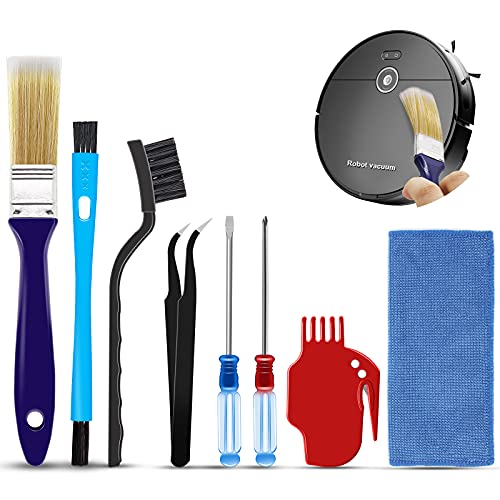
Midukit Vacuum Attachments Accessories for Robot Vacuum Cleaner,Cleaning Brush roll Cleaning Tool Replacement Parts, Part kit Tool for Vacuums Cleaner Replacement Include Vacuum Cleaning Cloth
Midukit vacuum cleaning kit for robot, dyson. Vacuum cleaning tool includes Cleaning Brush, tweezers, screwdriver (Phillips, Slotted), double-end…
As an affiliate, we earn on qualifying purchases.
As an affiliate, we earn on qualifying purchases.

Loszaral 14-Piece Ultravision Replacement Parts Kit for bObsweep Ultravision/Ultravision Pet Robot Vacuum – Includes 1 Main Brush, 4 Side Brushes, 4 HEPA Filters, 4 Dust Bags & 1 Cleaning Tool
🔄 【Complete Maintenance Kit for Ultravision Models】This all-in-one replacement bundle contains essential parts to restore your Ultravision or…
As an affiliate, we earn on qualifying purchases.
As an affiliate, we earn on qualifying purchases.