If your robot vacuum sounds different than usual, it might be due to worn batteries causing the motor to strain or irregular noises. Dust and debris can also affect sensors, leading to unexpected sounds or poor performance. Mechanical issues like loose parts or worn brushes often cause rattling or grinding noises. Regular maintenance, cleaning, and inspections can prevent many problems, but if the noise persists, there are other causes to take into account—keep going to find out more.

Get home appliances delivered free — and shop member deals
- Fast, free delivery on millions of items
- Access to Prime Big Deal Days deals on October 6–7
- Prime Video, Amazon Music and more included
Key Takeaways
- Battery degradation can cause the motor to strain, producing louder or irregular noises.
- Sensor dust, debris, or misalignment may lead to unexpected sounds or erratic behavior.
- Loose parts or debris in brushes and wheels can generate grinding or rattling noises.
- Mechanical wear or internal damage can result in persistent abnormal sounds during operation.
- Reduced performance or stopping mid-cleaning often signals underlying mechanical or sensor issues.
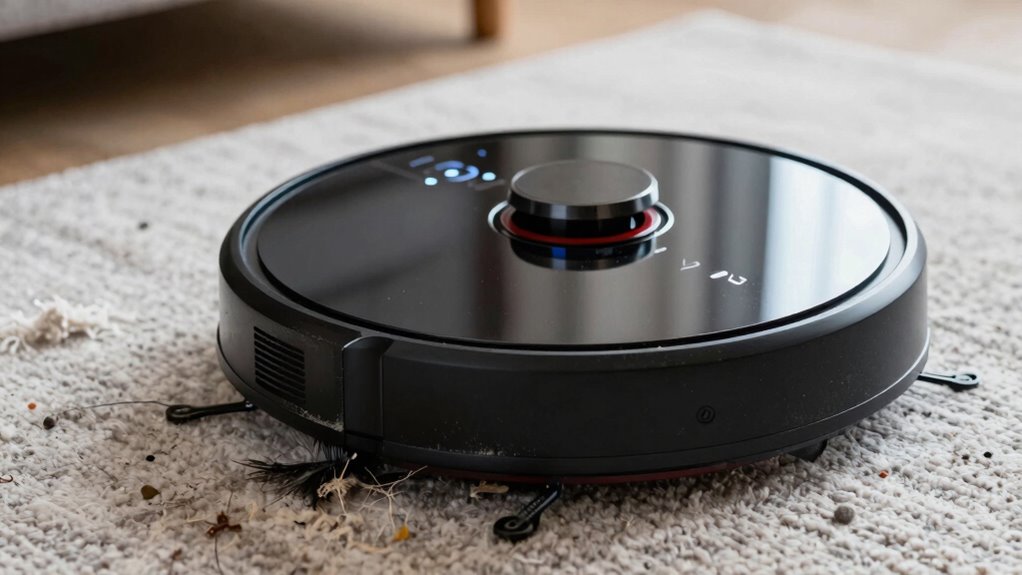
Have you noticed that your robot vacuum sounds different than usual? This change in noise can be concerning, and it’s often a sign that something isn’t working quite right. One common reason for altered sounds is a dip in battery performance. When the battery starts to degrade, the vacuum’s motor may strain more to operate, leading to louder or irregular noises. You might also notice that your vacuum doesn’t run as long on a single charge or that it struggles to complete its cleaning cycle. Over time, batteries lose their capacity, and the motor compensates by working harder, which can make the device sound different. If you observe that your vacuum’s noise level has increased or if it’s stopping mid-clean, it’s worth checking the battery health and considering a replacement if needed. Additionally, sensor accuracy can decline over time, causing the vacuum to behave unexpectedly and produce strange sounds. Regularly inspecting and cleaning these sensors can help maintain their effectiveness and prevent sensor issues. Dust, hair, or debris on the sensors can impair their functionality, so cleaning them regularly can help restore proper operation and reduce abnormal sounds. Furthermore, sensor misalignment or internal damage can cause the vacuum to operate in a less smooth manner, making it noisier than usual. It is also beneficial to monitor device performance periodically for any signs of malfunction or unusual noises. Other issues that might cause unusual noises include loose parts, worn brushes, or debris caught in the wheels or brush rollers. These physical problems can create grinding or rattling sounds that differ markedly from the usual operational noise. Regular maintenance, like cleaning brushes and checking for loose screws, can help prevent these issues. If your vacuum’s noise persists despite cleaning and maintenance, it could indicate a mechanical failure or motor problem that requires professional repair. Recognizing these signs early can save you from more costly repairs down the line.
robot vacuum battery replacement
As an affiliate, we earn on qualifying purchases.
As an affiliate, we earn on qualifying purchases.
Frequently Asked Questions
Can a Clogged Filter Cause Unusual Robot Vacuum Noises?
Yes, a clogged filter can cause unusual robot vacuum noises. When the filter is blocked, it strains the motor, leading to irregularities or motor irregularities, which produce strange sounds. Additionally, sensor malfunctions might occur if debris interferes with sensors, causing erratic behavior and noise. Regularly cleaning or replacing the filter helps prevent these issues, ensuring your vacuum operates smoothly and quietly.
Do Battery Issues Affect the Sound of My Robot Vacuum?
Battery issues can definitely affect the sound of your robot vacuum. Poor battery performance might cause the motor to struggle, leading to unusual noise frequency or grinding sounds. When the battery isn’t providing consistent power, the vacuum may work harder, making it louder or producing irregular noises. If you notice these changes, it’s a good idea to check the battery’s health and consider replacing it to restore normal operation and sound.
How Does Wheel Debris Impact Vacuum Noise Levels?
Did you know debris buildup causes up to a 30% increase in noise? When debris gets lodged in your robot vacuum’s wheels, it can throw off wheel alignment, making the motor work harder and produce louder sounds. Regularly check for debris buildup and clear it out. Proper wheel maintenance keeps your vacuum running smoothly, quiet, and efficient, saving you from unnecessary noise and potential damage.
Can Software Updates Change the Sound Profile of My Robot Vacuum?
Yes, software updates can change the sound profile of your robot vacuum. They often include improvements to noise frequency and sound modulation, making the vacuum quieter or altering its sound patterns. Updating the firmware may optimize motor control or sensor functions, which directly impacts the noise it produces. Keep your device updated to guarantee it operates smoothly and maintains an ideal sound profile, reducing unexpected or unusual noises.
Are Different Floor Types Responsible for Noise Variations?
Different floor types definitely cause noise variations in your robot vacuum. In fact, hard surfaces like tile or hardwood can increase noise levels by up to 30% compared to carpets. The floor material and surface texture influence how much sound the vacuum makes; rough or textured surfaces create more resistance, making the vacuum work harder and sound different. So, your vacuum’s noise can change depending on the floor it’s cleaning.
robot vacuum sensor cleaning kit
As an affiliate, we earn on qualifying purchases.
As an affiliate, we earn on qualifying purchases.
Conclusion
So, next time your robot vacuum sounds off, remember it might just be a sign of a minor issue or a feature in action. Did you know that robot vacuums can produce over 50 different sounds during operation? Staying attentive to these noises helps prevent bigger problems and keeps your device running smoothly. Regular maintenance and listening closely will guarantee your vacuum continues to clean effectively without any unexpected surprises.
robot vacuum brush roller replacement
As an affiliate, we earn on qualifying purchases.
As an affiliate, we earn on qualifying purchases.
As an affiliate, we earn on qualifying purchases.
Fall yard work Picks
leaf blowers
As an affiliate, we earn on qualifying purchases.