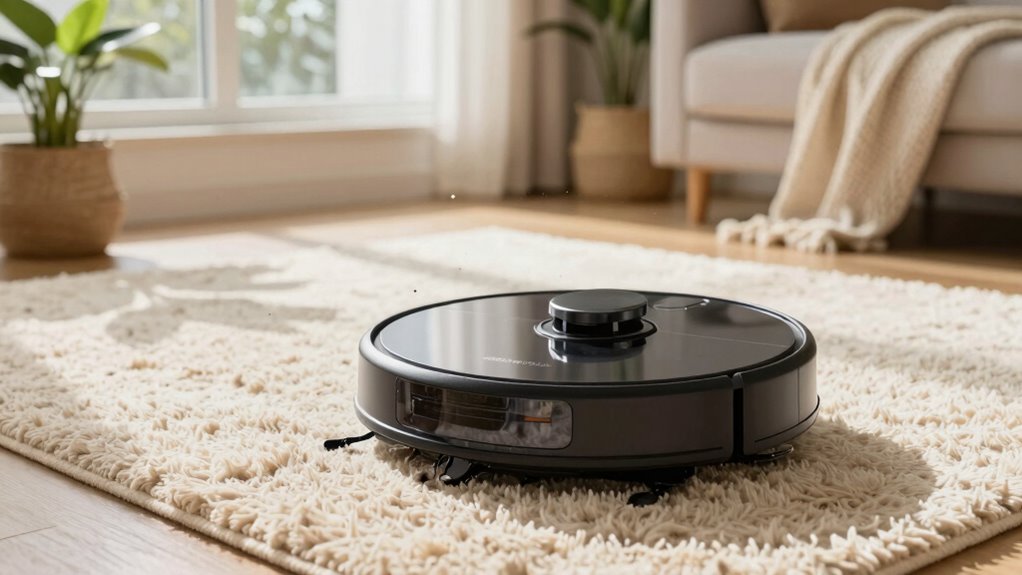
Yes, robot vacuums can help reduce seasonal allergies at home by regularly cleaning your floors and removing dust, pet dander, and pollen. They operate on scheduled routines, reach into tight spots, and often feature HEPA filters that trap tiny airborne particles. This minimizes allergens that can become airborne and trigger allergy symptoms. Using a robot vacuum is a simple way to keep indoor air cleaner, which can ease discomfort during allergy seasons—and there’s more you should know to maximize their benefits.
Open a free Amazon Business account
Business pricing, bulk buying and tax-exempt orders.
As an affiliate, we earn on qualifying purchases.
Key Takeaways
- Robot vacuums regularly remove dust, pet dander, and pollen, reducing indoor allergen buildup.
- Equipped with HEPA filters, they trap tiny particles that worsen allergy symptoms.
- They can reach under furniture and into corners, eliminating hidden allergens.
- Scheduled cleaning minimizes allergen circulation and airborne particles during peak seasons.
- Using robot vacuums alongside other allergy management strategies enhances overall indoor air quality.
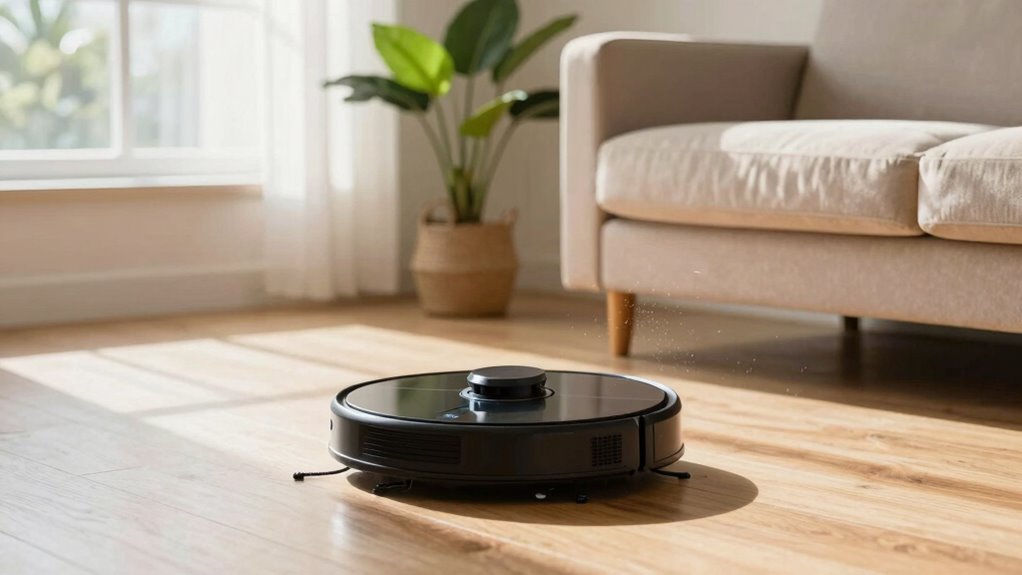
As seasonal allergies become more intense, many people seek effective ways to minimize triggers inside their homes. One method gaining popularity is using robot vacuums, which can help reduce airborne allergens and keep your living space cleaner. These devices play a essential role in air filtration and removing allergy triggers, especially when you’re battling sneezing fits and itchy eyes.
Robot vacuums are designed to clean floors efficiently and regularly, targeting dust, pet dander, pollen, and other common allergy triggers. Since these allergens tend to settle on carpets, rugs, and hard floors, consistent vacuuming can notably decrease their presence. Unlike manual vacuuming, which might be sporadic or time-consuming, robot vacuums operate on a schedule, ensuring your home stays cleaner without you needing to lift a finger. This constant cleaning helps prevent allergens from accumulating and becoming airborne, reducing your exposure and easing allergy symptoms.
Robot vacuums clean floors regularly, reducing dust, pet dander, and pollen to ease allergy symptoms effortlessly.
Many robot vacuums come equipped with HEPA filters or similar advanced filtration systems. These filters trap tiny particles that traditional vacuums might recirculate into the air, improving indoor air quality. When your robot vacuum captures allergens effectively, it prevents them from drifting into the air you breathe. This enhanced air filtration is especially beneficial during peak allergy seasons when pollen and other triggers are prevalent outside but can easily enter through open windows, pets, or shoes. As the vacuum moves around your home, it continuously pulls in and traps allergens, creating a cleaner environment that minimizes allergy triggers.
Another advantage is that robot vacuums can reach under furniture and into corners where dust and allergens tend to hide. This thorough cleaning helps eliminate sources of airborne particles that could trigger allergy symptoms. Regularly using a robot vacuum creates a cleaner surface environment, which means less stirring up of dust and allergens when you walk through your home. Additionally, because these devices are often quiet and can be scheduled to run while you’re out, you can maintain a cleaner home without disrupting your daily routine.
Incorporating landscaping techniques around your home can also help reduce the amount of pollen and outdoor allergens that enter your living space, complementing the benefits of robotic vacuuming. While a robot vacuum alone isn’t a complete allergy solution, it plays a fundamental role in an overall allergy management plan. Coupled with air filtration systems, regular washing of bedding, and keeping windows closed during high pollen days, it can notably reduce the amount of airborne allergens in your home. Ultimately, investing in a quality robot vacuum equipped with good filtration can make a noticeable difference in how comfortable you feel during allergy season, helping you breathe easier and enjoy your home more.
As an affiliate, we earn on qualifying purchases.
Frequently Asked Questions
Do Robot Vacuums Eliminate All Types of Allergens Effectively?
Robot vacuums can substantially reduce pet dander and mold spores, but they don’t eliminate all allergens completely. They’re effective at cleaning surfaces and carpets, helping to improve indoor air quality. However, some allergens like pollen or dust mites may require additional methods like air purifiers or regular deep cleaning. Using a robot vacuum regularly can help manage allergen levels but isn’t a total solution for all allergy triggers.
How Often Should I Run My Robot Vacuum During Allergy Season?
During allergy season, you should run your robot vacuum at least once a day to combat dust accumulation effectively. This frequent cleaning helps reduce allergens like pollen and dust mites. Be mindful of noise levels, especially if you have sensitivities, and opt for quieter models if needed. Regular use guarantees you minimize allergen buildup on floors and carpets, creating a healthier environment for you and reducing allergy symptoms.
Can Robot Vacuums Prevent Allergy Symptoms Entirely?
In an era where robots rule the world, you might wonder if they can fully prevent allergy symptoms. While robot vacuums can’t eliminate all dust mites and pet dander, they considerably reduce these allergens with regular cleaning. By consistently removing dust and pet hair, you lower the chance of allergy flare-ups. Though they won’t prevent symptoms entirely, they’re a helpful tool for managing allergies at home.
Are Robot Vacuums Safe for Allergy Sufferers With Asthma?
Yes, robot vacuums are generally safe for allergy sufferers with asthma. They help reduce pet dander and dust mites, which are common asthma triggers, by regularly cleaning floors and carpets. Make certain to choose a model with a HEPA filter to trap tiny allergens. Regular use minimizes allergen buildup, improving indoor air quality and potentially easing asthma symptoms. Just guarantee they are well-maintained and used as part of your allergy management plan.
Do Robot Vacuums Require Special Filters for Allergies?
Like a knight donning armor, your robot vacuum needs special filters for allergies. You should opt for HEPA filters, which trap tiny allergens effectively. Regular robot vacuum maintenance, including filter replacement frequency—about every 3 to 6 months—ensures it works efficiently. This keeps dust, pollen, and pet dander at bay, making your home a healthier haven. Prioritize these upgrades to maximize allergy relief and maintain your vacuum’s performance.
allergy-friendly robot vacuum cleaner
As an affiliate, we earn on qualifying purchases.
As an affiliate, we earn on qualifying purchases.
Conclusion
In the battle against seasonal allergies, robot vacuums can be your secret weapon. They help keep dust, pollen, and pet dander at bay, making your home a more comfortable refuge. While they’re not a magic bullet, they certainly can tip the scales in your favor. Remember, a clean home is a happy home, and with a robot vacuum, you’re killing two birds with one stone — maintaining your space and easing allergy symptoms.
robot vacuum for pet dander and pollen
As an affiliate, we earn on qualifying purchases.
As an affiliate, we earn on qualifying purchases.
scheduled robot vacuum for allergies
As an affiliate, we earn on qualifying purchases.
As an affiliate, we earn on qualifying purchases.
Fall yard work Picks
leaf blowers
As an affiliate, we earn on qualifying purchases.