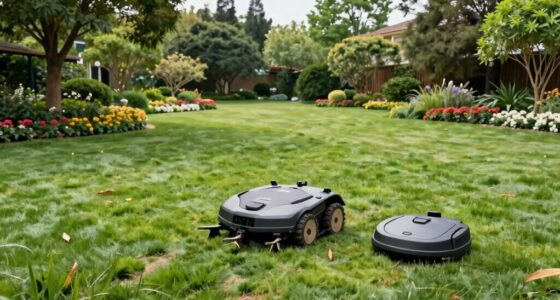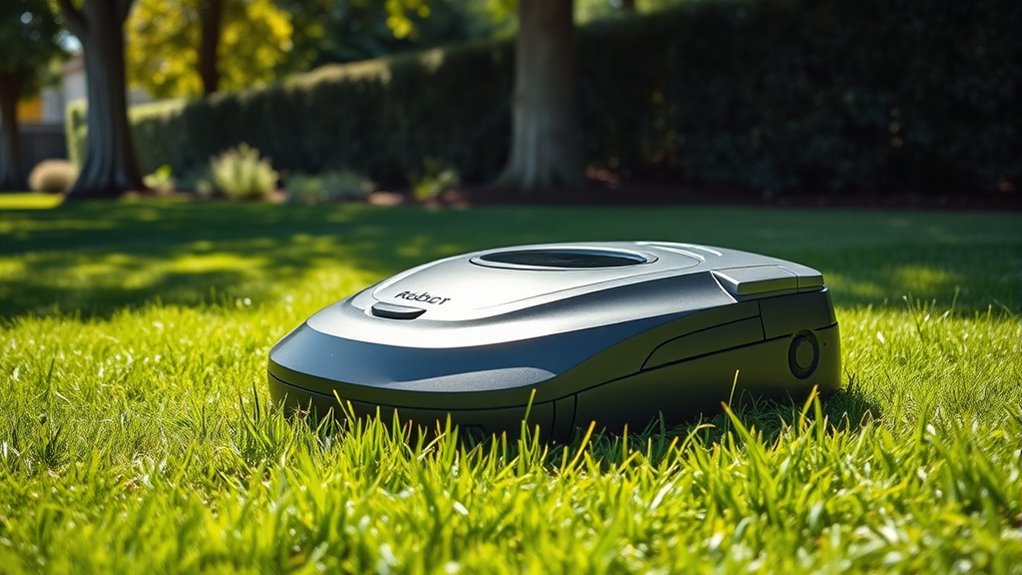

Adjusting your robot mower’s cutting height correctly is key to a healthy, lush lawn. Set it between 2.5 to 3 inches for most grass types, but always consider your grass variety and season. Avoid cutting more than one-third of the height at once, and make certain your blades stay sharp for clean cuts. Proper height maintenance promotes dense, resilient turf while preventing stress and disease. Keep these tips in mind to optimize your lawn’s health and appearance; more details follow.
Prime for Young Adults — start your free trial
Fast free delivery, streaming and member deals for eligible 18–24 year olds.
As an affiliate, we earn on qualifying purchases.
Key Takeaways
- Set the mower height to 2.5–3 inches for most grass types, adjusting seasonally for optimal growth.
- Avoid cutting more than one-third of the grass height at a time to prevent stress and damage.
- Regularly check and calibrate the mower to ensure consistent and even cutting at the desired height.
- Proper height promotes healthy, dense turf and reduces weed invasion and moisture loss.
- Adjust the cutting height based on grass type and environmental conditions to maintain a vibrant, resilient lawn.
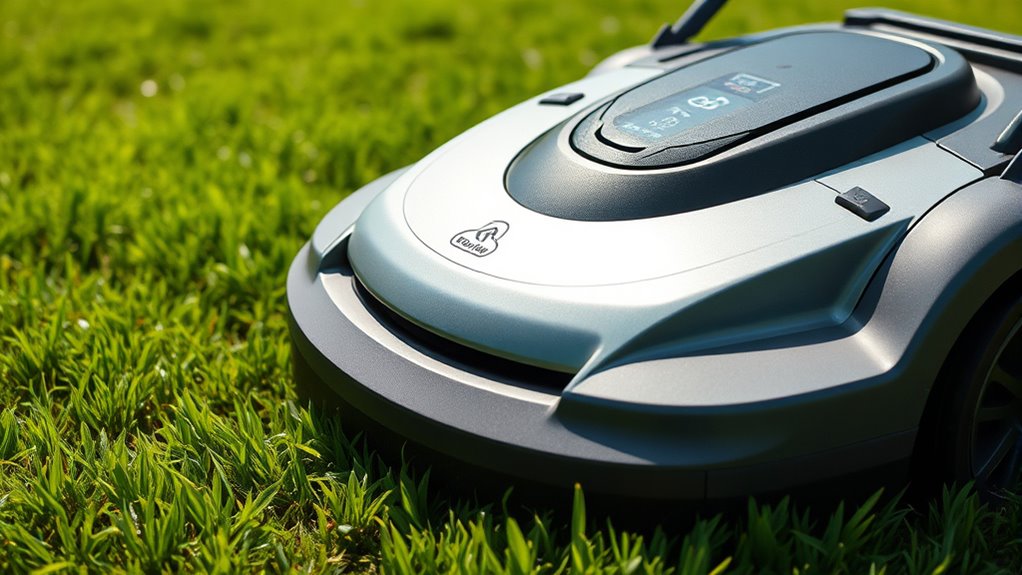
Maintaining the right lawn height is essential for a healthy, lush yard. When your grass is at the ideal height, it promotes better grass density, which means your lawn looks fuller and more vibrant. Proper height also helps shade the soil, reducing weeds and retaining moisture. To achieve this, you need to carefully adjust your robot mower’s cutting height. Setting it too low can stress the grass, making it vulnerable to disease, while cutting too high might lead to an unkempt appearance and hinder healthy growth. Finding that perfect balance encourages dense, resilient turf that withstands foot traffic and environmental stressors.
Maintaining proper lawn height promotes healthy, dense, and vibrant turf resistant to stress and environmental challenges.
One of the key factors in maintaining a quality cut is ensuring your mower blade is sharp. A dull blade tears grass instead of cutting cleanly, which not only affects the overall appearance but also impacts grass health. When the blade is sharp, it slices through blades smoothly, resulting in a cleaner cut that promotes quicker healing and reduces the risk of disease. Regularly inspect and sharpen your mower blade to keep it in top condition. This simple step maintains grass density by encouraging healthy, uniform growth and prevents the ragged edges that can lead to browning and pest problems.
Adjusting the cutting height on your robot mower might seem straightforward, but it’s vital to match it to your grass type and current lawn conditions. For most grasses, a height of about 2.5 to 3 inches strikes a good balance, but some varieties, like Bermuda or Zoysia, may require slightly different settings. When you set the mower, avoid cutting more than one-third of the grass height at a time to prevent stressing the plants. By doing so, you allow the grass to develop a denser root system, which improves overall grass density and resilience. Regularly check and tweak the height as the seasons change or as growth patterns shift, ensuring your lawn remains healthy and lush throughout the year.
Additionally, consistent mowing height helps your mower operate efficiently. When you set the height correctly, the mower can cut evenly, which contributes to a more uniform appearance and prevents scalping. This even cutting, combined with a sharp blade, encourages the blades of grass to grow strong and dense, creating a thick, attractive lawn. Remember, the goal is to strike a balance—too short, and you risk damaging the grass; too high, and you might compromise the lawn’s density and overall health. By paying close attention to your mower’s settings and maintaining sharp blades, you give your lawn the best chance to thrive. Proper lawn maintenance practices ensure your yard remains healthy, vibrant, and resilient year-round.
robot lawn mower cutting height adjustment
As an affiliate, we earn on qualifying purchases.
As an affiliate, we earn on qualifying purchases.
Frequently Asked Questions
How Often Should I Change My Robot Mower’s Blades?
You should change your robot mower’s blades every 2-4 months, depending on blade sharpness and mowing frequency. Dull blades tear grass, which can harm your lawn, so check them regularly. If you notice uneven cuts or increased mowing effort, it’s time to replace the blades. Maintaining sharp blades ensures a clean cut, improves mower performance, and keeps your lawn healthy and lush.
Can Adjusting Height Affect My Mower’s Battery Life?
Adjusting your robot mower’s height can surprisingly impact battery efficiency and mower longevity. When you set the blades too low, the mower works harder, draining the battery faster and stressing its components. Conversely, ideal height settings reduce strain, helping the mower operate more smoothly and extend its lifespan. So, don’t overlook this simple tweak—it’s a secret to maximizing your mower’s performance and ensuring it lasts longer.
What’s the Best Height for Different Grass Types?
For different grass types, you should set the mower height based on grass density and soil type. For dense, thick grass, raise the height slightly to prevent stress on the mower and promote healthy growth. For sandy or loamy soil, lower the height for a cleaner cut. Generally, 2.5 to 3 inches works well for most grass, but adjust based on your specific grass and soil conditions to keep your lawn healthy.
How Do Weather Conditions Influence Mowing Height Adjustments?
When weather turns humid or seasonal droughts hit, you should raise your mower’s cutting height. Longer grass blades help retain moisture, preventing stress and damage. In humid conditions, taller cuts improve airflow, reducing disease risk. During droughts, higher settings conserve water and keep your lawn resilient. By adjusting your mower to match weather changes, you protect your grass and maintain a lush, healthy yard year-round.
Is There a Maintenance Schedule for Mower Cutting Height Settings?
You should follow a maintenance checklist that includes regularly checking and adjusting your mower’s cutting height. The adjustment frequency depends on your lawn’s growth rate and weather conditions; typically, inspect weekly during the growing season. Consistent maintenance ensures maximum cutting performance and prevents damage. Make sure to verify the settings after mowing in different weather or seasons, and always recheck the height to maintain a healthy, well-manicured lawn.
sharp mower blades for robotic lawn mowers
As an affiliate, we earn on qualifying purchases.
As an affiliate, we earn on qualifying purchases.
Conclusion
By setting your robot mower to the ideal height, you’re not just maintaining a tidy lawn—you’re promoting healthier grass growth and reducing pests. Scientific studies suggest that slightly taller grass shades soil, conserving moisture and preventing weeds. So, don’t just guess—adjust your mower to the recommended height and let nature do its work. A well-maintained lawn at the right height isn’t just beautiful; it’s a smart, eco-friendly choice backed by research.
As an affiliate, we earn on qualifying purchases.
automatic mower height calibration tool
As an affiliate, we earn on qualifying purchases.
As an affiliate, we earn on qualifying purchases.
NFL season / tailgating Picks
team gear
As an affiliate, we earn on qualifying purchases.