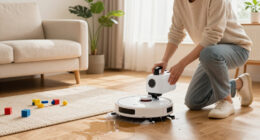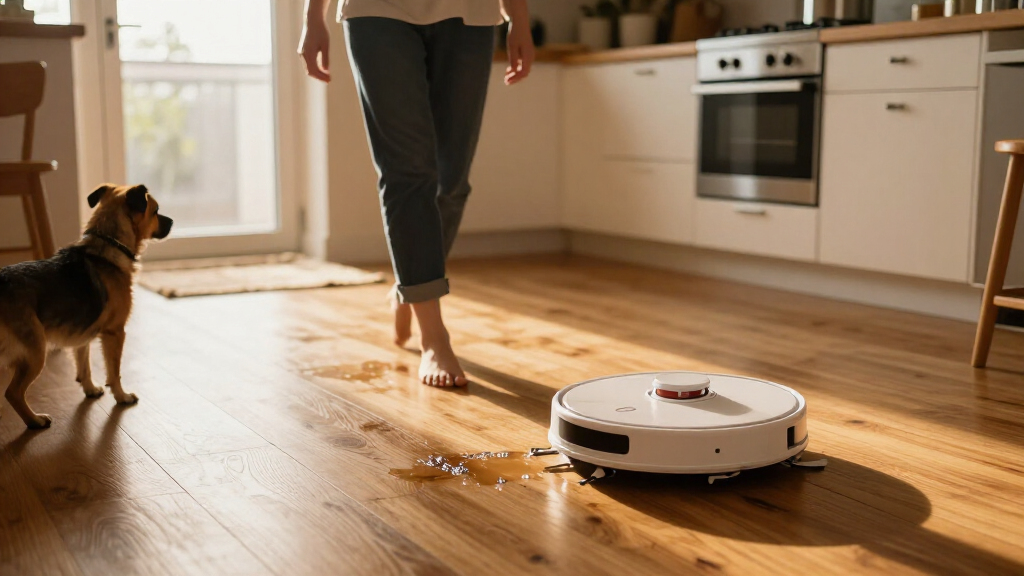

Shopping for robot vacuum mop combos means navigating one central tradeoff: machines that vacuum brilliantly versus machines that actually scrub floors well. My top pick, the Dreame L40 Ultra Gen 2, takes the crown because its 25,000 Pa suction and extendable mop system handle both jobs without compromise. Budget shoppers should look at the ROPVACNIC 5200 Pa, which delivers genuine two-in-one cleaning at a fraction of the cost, while the eufy E25 with its HydroJet roller mop pushes mopping performance into near-professional territory. The biggest differences in this category come down to dock sophistication — self-empty versus self-washing — and whether the mop pad lifts over carpet or just drags across it. Read on for the full ranking, complete with who each model suits and who should skip it.

Get home appliances delivered free — and shop member deals
- Fast, free delivery on millions of items
- Access to Prime Big Deal Days deals on October 6–7
- Prime Video, Amazon Music and more included
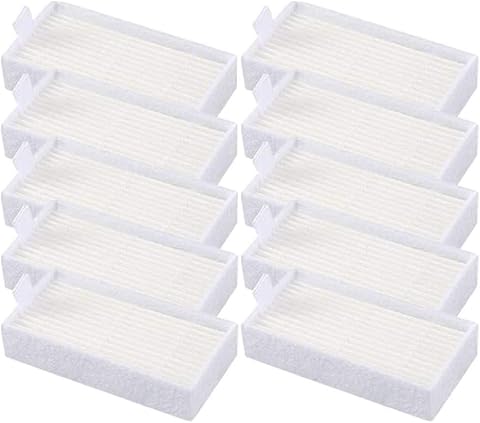
Complete the kit


Key Takeaways
- Suction numbers are the worst way to compare these machines — the 25,000 Pa Dreame and 5,000 Pa budget models both clean hard floors well, but mop mechanics and dock automation separate them far more than raw power figures.
- Dock type is the real price divider: models with self-washing docks (Dreame L40 Ultra Gen 2, Roomba Max 705X) demand more money but eliminate the grimiest chore, while self-empty-only docks like the Roomba 115 Combo and Shark bases still leave you rinsing mop pads by hand.
- The iRobot lineup splits into confusing tiers — the 105, 115 Combo, Plus 505X, and Max 705X overlap heavily, and my ranking clarifies that only the Max 705X’s AutoWash dock justifies paying flagship money within that family.
- Roller mop designs (eufy E25’s HydroJet) clean sealed hard floors better than vibrating flat pads but are less forgiving on textured tile, a distinction most spec sheets never mention.
- Budget combos under the ROPVACNIC and generic 5000 Pa models routinely skip LiDAR navigation and mop-lift — fine for small open apartments, frustrating for multi-room homes with rugs.
| ROPVACNIC Robot Vacuum and Mop Combo, 5200 Pa |  | Best for Pet Hair on Hard Floors | Suction power: 5200 Pa | Functions: Vacuuming and mopping | Water adjustment: Four-stage | VIEW LATEST PRICE | See Our Full Breakdown |
| iRobot Roomba 115 Combo Robot Vacuum and Mop with AutoEmpty Dock |  | Best for Low-Touch Upkeep | Suction power: 15,000 Pa | Coverage per charge: Up to 900 sq ft | AutoEmpty bag capacity: 2.5 L | VIEW LATEST PRICE | See Our Full Breakdown |
| eufy E25 Robot Vacuum and Mop Combo with HydroJet Roller Mop |  | Best for Automated Mop Care | Suction power: 20,000 Pa | Mop system: HydroJet roller mop; refreshes 2 times per second | Dock features: Auto-emptying, mop washing, 50°C hot-air drying, and water refilling | VIEW LATEST PRICE | See Our Full Breakdown |
| Dreame L40 Ultra Gen 2 Robot Vacuum and Mop with 25,000Pa Suction |  | Best for Large, Mixed-Floor Homes | Suction power: 25,000 Pa | Battery life: Up to 231 minutes | Battery capacity: 5,200 mAh | VIEW LATEST PRICE | See Our Full Breakdown |
| Robot Vacuum and Mop Combo, 5000Pa Self-Charging Robotic Vacuum Cleaner with Alexa & App Control |  | Best for Simple, Flexible Cleaning | Suction power: 5000 Pa | Dustbin capacity: 250 ml | Water tank capacity: 200 ml | VIEW LATEST PRICE | See Our Full Breakdown |
| Shark PowerDetect Robot Vacuum & Mop Combo with 60-Day Self-Empty Base (AV2810ZEWH) |  | Best for Allergy Sufferers | Model: AV2810ZEWH | Self-Empty Bin Capacity: 60 days | Water Tank Refill Duration: Up to 30 days | VIEW LATEST PRICE | See Our Full Breakdown |
| iRobot Roomba Max 705X Robot Vacuum & Mop Combo with AutoWash Dock | 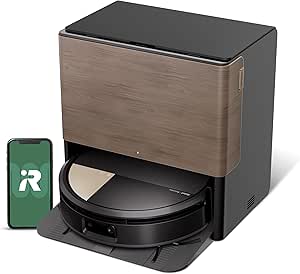 | Best Premium Pick | Suction: 175x stronger than Roomba 600 series | Mop Type: Self-cleaning extending PowerSpin Roller Mop | Mop Speed: 200 RPM | VIEW LATEST PRICE | See Our Full Breakdown |
| iRobot Roomba Plus 505X Robot Vacuum and Mop Combo |  | Best for Mixed Floors | Cleaning Functions: Vacuum, mop, combo clean, or vacuum then mop | Suction: Up to 70× stronger than Roomba 600 series | Dock: AutoWash Dock; 75-day debris capacity, washes and heat-dries pads | VIEW LATEST PRICE | See Our Full Breakdown |
| iRobot Roomba 105 Combo Robot Vacuum & Mop with AutoEmpty Dock |  | Best for Beginners | Self-Empty Capacity: Up to 75 days | Allergen Trapping: 99% of particles as small as 0.7 microns | Suction: 70x more power-lifting suction (vs. Roomba 600 series) | VIEW LATEST PRICE | See Our Full Breakdown |
| wrydao Robot Vacuum and Mop Combo with Self-Emptying Station |  | Best Budget Value | Suction Power: 6000Pa | Dust Bag Capacity: 3L (up to 90 days) | Navigation: LiDAR | VIEW LATEST PRICE | See Our Full Breakdown |
| eufy C28 Robot Vacuum and Mop Combo |  | Best Roller Mop Cleaning | Suction power: 15,000 Pa | Mop roller: 28 cm roller at 270 RPM with 24 water ports | Dust bag capacity: 3 L | VIEW LATEST PRICE | See Our Full Breakdown |
| eufy Omni C20 Robot Vacuum and Mop Combo, 7,000 Pa |  | Best Low-Profile Design | Suction power: Up to 7,000 Pa | Height: 3.35 inches (85 mm) | Battery life: Up to 132 minutes | VIEW LATEST PRICE | See Our Full Breakdown |
| Shark PowerDetect Robot Vacuum & Mop Combo with 60-Day Self-Empty Base (AV2800ZE) |  | Best for Pet Owners | Self-empty capacity: Up to 60 days | Water tank refill: Up to 30 days | Navigation: 360° LiDAR with 3D sensors | VIEW LATEST PRICE | See Our Full Breakdown |
| Shark Stratos Robot Vacuum & Mop Combo with 60-Day Self-Empty Base (AV2700ZE), White |  | Best for Allergy Sufferers | Self-empty bin: 60 days (bagless) | Water refill duration: Up to 30 days | Mopping action: Sonic mopping up to 100x per minute | VIEW LATEST PRICE | See Our Full Breakdown |
| Roborock Robot Vacuum and Mop with LiDAR, 10,000 Pa Suction, and Self-Emptying Dock |  | Best Long-Run Coverage | Suction power: 10,000 Pa | Battery life: 150 minutes | Cleaning path width: 12.8 inches | VIEW LATEST PRICE | See Our Full Breakdown |
| robot vacuum mop combo | Navigation | Suction power |
|---|---|---|
| ROPVACNIC Robot Vacuum and Mop | — | 5200 Pa |
| iRobot Roomba 115 Combo Robot | ClearView LiDAR | 15,000 Pa |
| eufy E25 Robot Vacuum and Mop | — | 20,000 Pa |
| Dreame L40 Ultra Gen 2 Robot V | — | 25,000 Pa |
| Robot Vacuum and Mop Combo | — | 5000 Pa |
| Shark PowerDetect Robot Vacuum | — | — |
| iRobot Roomba Max 705X Robot V | ClearView Pro LiDAR 3D mapping | — |
| iRobot Roomba Plus 505X Robot | ClearView Pro LiDAR | — |
| iRobot Roomba 105 Combo Robot | ClearView LiDAR | — |
| wrydao Robot Vacuum and Mop Co | LiDAR | 6000Pa |
| eufy C28 Robot Vacuum and Mop | LiDAR, no cameras | 15,000 Pa |
| eufy Omni C20 Robot Vacuum and | iPath laser; up to 3 saved floor maps | Up to 7,000 Pa |
| Shark PowerDetect Robot Vacuum | 360° LiDAR with 3D sensors | — |
| Shark Stratos Robot Vacuum & M | 360° LiDAR precision mapping | — |
| Roborock Robot Vacuum and Mop | PreciSense LiDAR | 10,000 Pa |
More Details on Our Top Picks
ROPVACNIC Robot Vacuum and Mop Combo, 5200 Pa
The ROPVACNIC Robot S1 suits homes where pet hair collects on hard floors and a brushless pickup design is more useful than a feature-heavy dock. Its 5,200 Pa suction and dual rotating side brushes are aimed at gathering debris while avoiding the roller brush where hair can tangle. Compared with the Robot Vacuum and Mop Combo, 5000Pa Self-Charging Robotic Vacuum Cleaner, it offers four-stage water adjustment, giving owners more control over how much moisture reaches different hard floors. Both skip self-emptying, though, so you still handle the dustbin and mop upkeep. The S1 can also clean low-pile carpet, but its mopping function is best reserved for hard flooring. Choose it for straightforward app or voice control and routine pet-hair pickup; skip it if you want automated dock maintenance or regular cleaning on thicker carpets.
Pros:- Brushless design and dual rotating side brushes are intended to collect pet hair without roller tangles.
- Four-stage water adjustment lets owners tailor moisture for hard-floor mopping.
- App, Alexa, and Google Assistant controls provide several ways to start or schedule cleaning.
- Automatically returns to recharge after cleaning.
Cons:- Carpet compatibility is specified only for low-pile carpets.
- No self-emptying or mop-washing dock is listed, so routine cleanup remains manual.
Best for: Pet owners with mostly wood or other hard floors who want adjustable mopping and a brushless hair pickup design.
Not ideal for: Homes with thick carpet or buyers who want a dock to empty debris and wash the mop automatically.
- Suction power:5200 Pa
- Functions:Vacuuming and mopping
- Water adjustment:Four-stage
- Controls:Smartphone app, Alexa, and Google Assistant
- Surface compatibility:Wood, hard floors, and low-pile carpets
- Pet hair design:No-entanglement design with dual rotating side brushes
- Recharge:Automatic return to recharge
Our verdict“Choose the ROPVACNIC S1 for adjustable hard-floor mopping and pet-hair pickup without a tangle-prone roller; skip it if you want a self-maintaining dock.”
iRobot Roomba 115 Combo Robot Vacuum and Mop with AutoEmpty Dock
The Roomba 115 Combo makes sense for buyers who want vacuuming and mopping together but would rather empty debris less often. Its AutoEmpty dock stores debris in a sealed 2.5 L bag for up to three months, while ClearView LiDAR maps rooms for more deliberate multi-room routes. That dock gives it a practical convenience advantage over the ROPVACNIC Robot S1, which has no self-emptying base listed. For carpeted homes, No Mop Zones help keep rugs dry, and four suction levels plus adjustable water settings offer useful control. The tradeoff is that this model uses a washable microfiber pad and still needs regular brush, filter, and pad care. Setup also requires a 2.4 GHz Wi-Fi network. It is a better fit for routine mixed-floor cleaning than buyers seeking a dock that also washes and dries the mop.
Pros:- Vacuums and mops in one pass.
- AutoEmpty dock with a sealed 2.5 L bag reduces frequent debris emptying.
- ClearView LiDAR supports mapped multi-room cleaning.
- No Mop Zones and adjustable settings help tailor runs around rugs and floor types.
Cons:- Setup requires a 2.4 GHz Wi-Fi network.
- Washable mop pad, filters, and brushes require regular maintenance.
- The dock empties debris but does not list automatic mop washing or drying.
Best for: Busy households with a mix of hard floors and rugs that want mapped cleaning and fewer trips to empty the robot.
Not ideal for: Buyers who lack 2.4 GHz Wi-Fi or want a dock that washes and dries the mop pad automatically.
- Suction power:15,000 Pa
- Coverage per charge:Up to 900 sq ft
- AutoEmpty bag capacity:2.5 L
- AutoEmpty duration:Up to 3 months
- Navigation:ClearView LiDAR
- Mopping pad:Washable microfiber
- Cleaning settings:4 suction levels, 1–2 passes, and 3 water or solution levels
- Connectivity:2.4 GHz Wi-Fi required for setup
Our verdict“Pick the Roomba 115 Combo if mapped cleaning and less frequent bin emptying matter more than automatic mop care.”
eufy E25 Robot Vacuum and Mop Combo with HydroJet Roller Mop
The eufy E25 is the pick for buyers who want the dock to handle much of the mop cleanup. Its HydroJet roller mop refreshes with clean water during cleaning, and the station empties dust, washes and hot-air dries the mop, then refills water. That is a broader maintenance setup than the iRobot Roomba 115 Combo, whose dock empties debris but does not list mop washing or drying. The E25 also brings 20,000 Pa suction, anti-tangle brushes, and memory for up to five floor plans, which can suit larger or multi-level homes. Those conveniences come with setup constraints: it requires 2.4 GHz Wi-Fi and is specified for 110 V US power. Its 125-minute runtime applies to standard vacuum-and-mop mode, so buyers should not assume that duration in every setting.
Pros:- HydroJet roller refreshes with clean water during cleaning.
- Dock automates dust emptying, mop washing, hot-air drying, and water refilling.
- Anti-tangle brushes are designed to reduce hair buildup.
- Stores up to five floor plans and can climb thresholds up to 21 mm.
Cons:- Supports 2.4 GHz Wi-Fi only and is specified for 110 V US power.
- The 125-minute runtime is listed for standard vacuum-and-mop mode.
- A multi-function dock still needs space and periodic maintenance.
Best for: Multi-floor-plan households that want strong suction and a dock that washes, dries, and refills the mop system.
Not ideal for: Buyers outside the US power specification or homes that rely on 5 GHz-only Wi-Fi.
- Suction power:20,000 Pa
- Mop system:HydroJet roller mop; refreshes 2 times per second
- Dock features:Auto-emptying, mop washing, 50°C hot-air drying, and water refilling
- Dust bag capacity:3 L; lasts approximately 75 days
- Floor plan memory:Up to 5 floor plans
- Mop lift:10.8 mm
- Threshold climbing:21 mm
- Runtime:125 minutes in standard vacuum-and-mop mode
- Voltage:110 V US
Our verdict“Choose the eufy E25 if automatic roller-mop washing and drying are priorities and its Wi-Fi and power requirements suit your home.”
Dreame L40 Ultra Gen 2 Robot Vacuum and Mop with 25,000Pa Suction
For a larger home with both carpets and hard floors, the Dreame L40 Ultra Gen 2 pairs long listed runtime with multiple carpet-care modes and a self-cleaning dock. Its 25,000 Pa suction and five power levels give buyers more adjustment than the eufy E25, while an extendable side brush and mop are designed to reach corners that fixed cleaning parts can miss. The 231-minute battery life and listed quiet-mode coverage of 1,679 square feet make it a strong fit for longer sessions. Its dock empties debris, washes the mop, and dries it with hot air, but automatic cleaning-solution filling requires a separate module. The US-use-only 2.4 GHz Wi-Fi specification may also narrow setup options. Compared with the E25, this Dreame leans toward carpet flexibility and reach, while the E25 specifies a roller mop refreshed during cleaning.
Pros:- 25,000 Pa suction with five power levels supports adjustment across floor types.
- All-in-one dock empties debris, washes the mop, and hot-air dries it.
- Extendable side brush and mop are designed to reach corners.
- Listed battery life of up to 231 minutes supports longer cleaning sessions.
Cons:- Automatic cleaning-solution filling requires a separately purchased module.
- Wi-Fi support is specified for 2.4 GHz use in the USA only.
- The 10.5 mm mop lift may limit clearance over some carpet pile.
Best for: Owners of larger mixed-floor homes who want long cleaning runs, carpet-care options, and an extendable mop and brush.
Not ideal for: Buyers outside the stated US Wi-Fi use or those who expect automatic cleaning-solution filling without an extra module.
- Suction power:25,000 Pa
- Battery life:Up to 231 minutes
- Battery capacity:5,200 mAh
- Mop lifting height:10.5 mm
- Cleaning area in quiet mode:1,679 ft²
- Surface recommendation:Wood, marble, tile, and carpet
- Control methods:App, voice, and remote control
- Wi-Fi:2.4 GHz; USA use only
Our verdict“Choose the Dreame L40 Ultra Gen 2 for long runs and adaptable cleaning across a larger mixed-floor home, provided its Wi-Fi and solution-filling limits work for you.”
Robot Vacuum and Mop Combo, 5000Pa Self-Charging Robotic Vacuum Cleaner with Alexa & App Control
This 5000 Pa robot vacuum and mop covers the basics for buyers who want several ways to direct a cleaning run. Its five modes include edge, spot, and room cleaning, while app, remote, and voice controls offer more direct options than the ROPVACNIC Robot S1, which lists app and voice control. The integrated 250 ml dustbin and 200 ml water tank let it sweep, vacuum, and mop in one run, and automatic carpet boost is intended to raise suction on carpet. The tradeoff is that its sponge filter may need frequent cleaning or replacement, and there is no self-emptying base. The 120-minute runtime and stated coverage of up to 1,400 square feet make it suited to routine upkeep, but buyers seeking mop washing or automated debris disposal should look to the eufy E25 or Roomba 115 instead.
Pros:- Three-in-one sweep, vacuum, and mop functionality.
- Five cleaning modes include auto, manual, edge, spot, and room.
- App, remote, Alexa, and Google Assistant controls provide flexible operation.
- Up to 120 minutes of runtime and self-charging support routine cleaning.
Cons:- No self-emptying dustbin base is listed.
- Sponge filter may require frequent cleaning or replacement.
- The 250 ml dustbin and 200 ml water tank require hands-on servicing.
Best for: Hands-on owners who want room, edge, and spot modes with app, remote, and voice controls for routine floor upkeep.
Not ideal for: Buyers who want a self-emptying dock, automated mop washing, or minimal filter maintenance.
- Suction power:5000 Pa
- Dustbin capacity:250 ml
- Water tank capacity:200 ml
- Battery:2500 mAh lithium-ion
- Runtime:Up to 120 minutes
- Coverage area:Up to 1,400 sq ft
- Cleaning modes:Auto, manual, edge, spot, and room
- Surface recommendation:Wood, carpet, and tiles
- Warranty:2 years
Our verdict“Pick this model for flexible manual control and basic combined cleaning, but choose a docked option if you want less upkeep.”
Shark PowerDetect Robot Vacuum & Mop Combo with 60-Day Self-Empty Base (AV2810ZEWH)
This Shark stands apart from the iRobot options in this lineup because of its bagless base with a HEPA anti-allergen seal, capturing 99.97% of particles down to 0.3 microns. Where the Roomba 105 Combo requires ongoing bag purchases, the NeverTouch Pro base empties into a bin you simply empty yourself, and it also refills the water tank for up to 30 days and washes and dries the mop pad automatically. Five PowerDetect technologies sense mess levels, edges, and floor types, boosting suction where it matters. Compared to the wrydao combo’s fixed 6000Pa rating, this adaptive approach delivers more consistent results on heavy debris. The tradeoff: like the Roomba Plus 505X, it keeps carpets dry by lifting the pad, so rugs only get vacuumed, never mopped.
Pros:- Bagless HEPA-sealed base captures 99.97% of allergens down to 0.3 microns
- Base self-empties for 60 days, refills water for 30 days, and washes and dries the mop pad
- NeverStuck technology lifts over thresholds and obstacles for fewer stalled missions
- DirtDetect and EdgeDetect boost suction on heavy messes and along walls
Cons:- Carpet never gets mopped — the pad lifts above rugs
- Bagless base requires regular manual emptying and filter maintenance
Best for: Pet owners and allergy sufferers who want sealed HEPA filtration without recurring bag costs
Not ideal for: Homes expecting mopped carpets — the pad stays above rugs, so carpets get vacuum only
- Model:AV2810ZEWH
- Self-Empty Bin Capacity:60 days
- Water Tank Refill Duration:Up to 30 days
- Cleaning Technologies:5 PowerDetect technologies (DirtDetect, EdgeDetect, NeverStuck, StainDetect, FloorDetect)
- Allergen Capture:99.97% down to 0.3 microns
- Filtration:HEPA Anti-Allergen Seal
- Pad Edge Extension:Up to 1 inch
Our verdict“This is the pick for households where allergen containment and month-long hands-free operation matter more than carpet mopping.”
iRobot Roomba Max 705X Robot Vacuum & Mop Combo with AutoWash Dock
Positioned at the top of the iRobot trio in this roundup, the Max 705X earns a premium slot through its self-cleaning extending PowerSpin Roller Mop that scrubs at 200 RPM with heated mopping — a genuine step up from the dual spinning pads on the Roomba Plus 505X. That roller design presses into dried-on stains rather than gliding over them, which matters in kitchens. Its 175x suction claim dwarfs the 70x ratings on both sibling models, and PrecisionVision AI steers around cords and pet waste where budget picks like the wrydao rely purely on LiDAR mapping. The AutoWash Dock handles emptying, hot mop washing, hot-air drying, and solution dispensing — but that convenience locks you into proprietary cleaning solution refills, an ongoing cost the Shark PowerDetect avoids entirely.
Pros:- Roller mop with heated SmartScrub tackles dried-on stains far better than flat pads
- AutoWash Dock empties, hot-washes, and hot-air dries for near-total automation
- 175x suction (vs. Roomba 600 series) with dual anti-tangle rubber brushes for pet hair
- PrecisionVision AI reliably avoids cords, socks, and pet waste
Cons:- Requires proprietary cleaning solution refills, adding recurring costs
- Premium feature set carries a premium price
- 75-day hands-free claims vary with household conditions
Best for: Owners of messy, mixed-floor homes who want the most automated scrubbing power available
Not ideal for: Budget-conscious buyers who will balk at solution refills and a premium price tag
- Suction:175x stronger than Roomba 600 series
- Mop Type:Self-cleaning extending PowerSpin Roller Mop
- Mop Speed:200 RPM
- Self-Emptying Capacity:Up to 75 days
- Navigation:ClearView Pro LiDAR 3D mapping
- Obstacle Avoidance:PrecisionVision AI
- Dock Features:Auto-emptying, heated mop washing, hot-air drying, solution dispensing
- Voice Assistants:Alexa, Siri, Google Assistant
Our verdict“If near-total automation and serious stain scrubbing justify the spend, this is the most capable iRobot here — otherwise the Plus 505X covers the basics for less.”
iRobot Roomba Plus 505X Robot Vacuum and Mop Combo
The Plus 505X sits neatly between its siblings: it lacks the Max 705X’s heated roller mop, but its dual spinning pads with SmartScrub pressure still out-clean the flat microfiber pad on the Roomba 105 Combo. Its core strength is flexibility — you can run vacuum only, mop only, combo, or vacuum-then-mop sequences, and the pads automatically lift over carpet so a single mission covers an entire mixed-floor home without wet rugs. The AutoWash Dock empties debris for up to 75 days and washes and heat-dries the pads, matching the Max’s convenience while skipping the ongoing solution-refill expense. Compared to the Shark PowerDetect, its weaker suction rating (70x vs. 175x baseline claims) means it works harder on deeply embedded debris, but its pad-based system mops more floor area per pass.
Pros:- Four cleaning modes including vacuum-then-mop sequencing for whole-home runs
- AutoWash Dock empties for up to 75 days and washes and heat-dries mop pads
- Mop pads lift over carpet so rugs stay dry mid-mission
- PrecisionVision AI avoids obstacles and pet accidents
Cons:- 75-day capacity claims are maximums that vary with usage
- 70x suction comparison only applies against the older Roomba 600 series
- No heated mopping like the more expensive Max 705X
Best for: Households with a blend of hard floors and rugs who want one robot to handle everything in a single run
Not ideal for: Buyers chasing maximum scrubbing power for dried kitchen stains — the Max 705X’s roller is the better tool
- Cleaning Functions:Vacuum, mop, combo clean, or vacuum then mop
- Suction:Up to 70× stronger than Roomba 600 series
- Dock:AutoWash Dock; 75-day debris capacity, washes and heat-dries pads
- Mop Pads:Dual spinning pads that lift over carpet
- Navigation:ClearView Pro LiDAR
- Obstacle Detection:PrecisionVision AI
- SmartScrub:Applies extra pressure to stubborn messes
- Voice Assistants:Alexa, Siri, Google Assistant
Our verdict“The sweet spot for mixed-floor homes that want the Max’s automation without the Max’s price or solution subscriptions.”
iRobot Roomba 105 Combo Robot Vacuum & Mop with AutoEmpty Dock
For a first robot vacuum, this model strips the category down to what actually matters day to day: 75 days of self-emptying, LiDAR mapping, and simple carpet avoidance while mopping. Unlike the Plus 505X, there’s no pad-washing dock — you rinse and reuse the microfiber pad yourself — but that also means no ongoing solution costs and a lower barrier to entry. The 4-stage cleaning system with 70x suction and 20% better edge cleaning handles routine debris credibly, though the wrydao’s 6000Pa rating suggests stronger raw pull at a similar complexity level. Where this Roomba pulls ahead of budget rivals is control flexibility: app, onboard buttons, or Alexa, Siri, and Google voice commands all work, which makes it forgiving for less tech-savvy households. Just plan for a 2.4 GHz network and replacement dock bags.
Pros:- AutoEmpty Dock holds up to 75 days of debris with a 99% allergen-trapping bag
- Automatically detects and avoids carpets while mopping
- 70x power-lifting suction with 20% better edge and corner cleaning
- Multiple control options: app, voice assistants, and onboard buttons
Cons:- Microfiber mop pad requires manual washing between uses
- Ongoing cost of replacement AutoEmpty dock bags
- Requires 2.4 GHz Wi-Fi for setup and operation
Best for: First-time robot vacuum buyers who want reliable brand support and app-plus-button simplicity
Not ideal for: Anyone wanting a fully self-maintaining mop — the microfiber pad must be washed by hand after every use
- Self-Empty Capacity:Up to 75 days
- Allergen Trapping:99% of particles as small as 0.7 microns
- Suction:70x more power-lifting suction (vs. Roomba 600 series)
- Navigation:ClearView LiDAR
- Cleaning Modes:Vacuum only, mop only, combo vac-mop
- Scrubbing:SmartScrub (2x deeper scrubbing)
- Connectivity:2.4 GHz Wi-Fi
- Voice Assistants:Alexa, Siri, Google Assistant
Our verdict“A sensible, low-drama entry point into vacuum-mop combos, as long as hand-washing a mop pad doesn’t put you off.”
wrydao Robot Vacuum and Mop Combo with Self-Emptying Station
Among the value picks in this roundup, the wrydao competes directly with the generic 5000Pa and ROPVACNIC models by offering a 3L self-emptying station rated for up to 90 days between bag changes — longer than the 60-day Shark PowerDetect claim. Its 6000Pa suction with automatic carpet boost beats both cheaper rivals on raw power, and LiDAR mapping with customizable no-go zones puts it in the same navigation class as robots costing far more. The tradeoff is the mopping system itself: a basic pad with three water-flow settings and a sponge filter, intended strictly for sealed hard floors. There’s no AI obstacle avoidance like the Roomba 105 Combo’s PrecisionVision, so cords and socks remain hazards. Still, a 160-minute battery and a two-year warranty make this the most complete low-cost package here.
Pros:- 90-day, 3L self-emptying station beats most rivals’ capacity claims
- 6000Pa suction with automatic carpet boost for a budget price
- LiDAR mapping with room-by-room cleaning and no-go zones
- 160-minute battery life and 2-year warranty
Cons:- Mopping is limited to sealed hard floors with basic pad-based cleaning
- No AI obstacle avoidance — cords and clutter can trap it
Best for: Budget-focused buyers in apartments with mostly hard floors who want self-emptying and mapping on a spend
Not ideal for: Homes with unsealed flooring, high-pile carpet, or heavy cord clutter — mopping range and obstacle smarts are limited
- Suction Power:6000Pa
- Dust Bag Capacity:3L (up to 90 days)
- Navigation:LiDAR
- Battery Life:160 minutes
- Cleaning Modes:Vacuum, mop, or both
- Water Flow Settings:3
- Control:App and Alexa voice
- Special Features:Anti-fall, auto-docking, no-go zones, self-emptying
- Warranty:2 years
Our verdict“The strongest value in this batch for hard-floor apartments, provided you accept simpler mopping and manual tidying before runs.”
eufy C28 Robot Vacuum and Mop Combo
This option stands out for its self-cleaning roller mop spinning at 270 RPM, which actively scrubs rather than dragging a damp pad across the floor like the Roborock 10,000 Pa model does. With 24 water ports keeping the roller continuously damp and 15,000 Pa suction doubling the power of the eufy Omni C20, this pick makes the most sense for homes where dried spills and scuff marks are the main problem, not just everyday dust. The all-in-one station handles dust emptying, mop washing, drying, and wastewater collection, putting it ahead of simpler docks that only self-empty.
The tradeoffs are real, though. Obstacle avoidance is only rated for objects at least 3 × 3 × 3 cm, so cables and socks may get eaten. And the 10.8 mm mop lift is thinner than what the C20 offers for carpet, meaning damp contact on medium pile is more likely.
Pros:- Self-cleaning roller mop actively scrubs stains instead of wiping
- 15,000 Pa suction with automatic carpet boost rivals pricier flagships
- All-in-one station covers dust, mop washing, drying, and wastewater
- Handles long hair up to 30 cm without wrapping
Cons:- Obstacle avoidance only rated for objects 3 cm or larger
- Mop lifts just 10.8 mm, too shallow for many carpets
Best for: Homeowners with mostly hard floors who want genuine scrubbing power against dried-on messes and pet paw prints
Not ideal for: Homes with thick carpet and cluttered floors, since the mop lift is shallow and small obstacles go undetected
- Suction power:15,000 Pa
- Mop roller:28 cm roller at 270 RPM with 24 water ports
- Dust bag capacity:3 L
- Station maintenance interval:Up to 75 days
- Navigation:LiDAR, no cameras
- Mop lift:10.8 mm
- Hot air drying:50°C
- Noise level:54.89 dB
Our verdict“Buy this if scrubbing performance on hard floors matters more to you than obstacle dodging or deep-pile carpet coverage.”
eufy Omni C20 Robot Vacuum and Mop Combo, 7,000 Pa
At just 3.35 inches tall, the Omni C20 slips under beds, sofas, and media consoles that taller roller-mop machines like the eufy C28 simply cannot reach — and that height advantage is the whole reason this model earns a spot. It still vacuums and mops simultaneously with 6 N of downward pressure, and its station empties dust plus washes and dries the pads, so you give up far less automation than a slim body usually implies.
Compared with the Shark PowerDetect, the 7,000 Pa suction is more modest and there is no advanced dirt-detection system, so deeply embedded carpet debris takes longer to lift. Practical frustrations include 2.4 GHz-only Wi-Fi, no boundary strip support, and carpets over 20 mm pile requiring manual No-Go Zones. The 132-minute runtime with recharge-and-resume partly compensates for the lower power on larger homes.
Pros:- Slim 3.35-inch body reaches under most furniture
- Station washes and dries mop pads, not just dust emptying
- Detangling comb reduces hair wrap on the brushroll
- Recharge-and-resume keeps long cleaning jobs going
Cons:- 2.4 GHz-only Wi-Fi limits router flexibility
- No boundary strip support or compatibility
- Weaker suction than comparably automated rivals
Best for: Apartment dwellers and anyone with lots of low-clearance furniture where a standard-height robot physically cannot clean
Not ideal for: Households with plush, high-pile carpet, since pile over 20 mm must be manually blocked off with No-Go Zones
- Suction power:Up to 7,000 Pa
- Height:3.35 inches (85 mm)
- Battery life:Up to 132 minutes
- Dust bag capacity:3.1 L
- Navigation:iPath laser; up to 3 saved floor maps
- Mopping:6 N pressure, 180 RPM, automatic carpet mop lift
- Noise level:56 dB
- Controls:App, buttons, Alexa, Google Assistant, Siri
Our verdict“Choose this one for low-clearance cleaning on hard floors, but skip it if thick carpet dominates your home.”
Shark PowerDetect Robot Vacuum & Mop Combo with 60-Day Self-Empty Base (AV2800ZE)
The PowerDetect AV2800ZE earns its place through detection intelligence: five PowerDetect technologies target hidden dirt, stuck-on stains, and edges, meaning the robot spends extra passes where mess actually accumulates rather than running a uniform route like the Roborock 10,000 Pa model. That makes it the strongest choice here for pet hair buried in carpet, since dirt detection triggers focused pickup instead of a single pass.
The NeverTouch Pro base is genuinely hands-free — 60-day self-emptying, 30-day water refills, plus mop washing and drying — though it shares the Shark Stratos‘ footprint problem: expect it to consume serious laundry-room or corner space. Unlike the Stratos, this model’s sensing suite leans harder into adaptive cleaning, but buyers should plan for ongoing consumable costs — odor neutralizer cartridges and Shark’s cleaning solution are part of the routine, which the eufy models largely avoid.
Pros:- Dirt and stain detection triggers extra cleaning passes where needed
- Base self-empties, refills water, and washes/dries the mop pad
- Strong pet hair pickup across carpets and hard floors
- 360° LiDAR with NeverStuck technology for whole-home coverage
Cons:- Self-empty base demands significant floor space
- Ongoing costs for odor cartridges and cleaning solution
Best for: Pet owners with mixed carpet and hard floors who want the robot to detect and attack messes rather than follow a fixed path
Not ideal for: Small apartments or budget-sensitive buyers, since the base is bulky and consumables add recurring cost
- Self-empty capacity:Up to 60 days
- Water tank refill:Up to 30 days
- Navigation:360° LiDAR with 3D sensors
- Cleaning technologies:5 PowerDetect (DirtDetect, StainDetect, EdgeDetect, NeverStuck)
- Mopping:Sonic mopping, simultaneous vacuum and mop
- App:SharkClean
- Includes:NeverTouch Pro Base, 3 mopping pads, 2 side brushes, odor cartridges, cleaner
Our verdict“This is the pick for shedding-heavy homes where adaptive detection beats raw suction numbers.”
Shark Stratos Robot Vacuum & Mop Combo with 60-Day Self-Empty Base (AV2700ZE), White
What separates the Stratos AV2700ZE from its sibling, the PowerDetect AV2800ZE, is filtration: HEPA with Anti-Allergen Complete Seal traps particles instead of leaking fine dust back into the air, which matters most in bedrooms and nurseries. Sonic mopping at up to 100 scrubs per minute handles stuck-on residue, and the NeverTouch base covers the full maintenance loop — 60-day bagless self-emptying, 30-day water refills, and automatic mop washing and drying.
The bagless design is a double-edged sword versus bagged rivals like the eufy C28: you save on bag purchases but empty the bin yourself, releasing some dust — a consideration for the very allergy sufferers it targets. Setup also demands patience, because carpet zones must be manually configured in the app for vacuum-only cleaning, and the water and solution refills need regular attention despite the automation.
Pros:- Sealed HEPA filtration keeps allergens trapped inside the machine
- Anti-hair-wrap self-cleaning brushroll cuts maintenance
- Sonic mopping scrubs 100x per minute on dried stains
- NeverTouch base handles emptying, refilling, and pad washing
Cons:- Manual carpet zone configuration required for vacuum-only cleaning
- Bagless emptying can release dust despite HEPA filtration
- Regular solution and water refills still needed
Best for: Allergy-sensitive households and pet owners who want sealed HEPA filtration plus hair-resistant brushrolls in one machine
Not ideal for: Anyone wanting zero configuration — carpet avoidance zones require manual app setup before mopping runs
- Self-empty bin:60 days (bagless)
- Water refill duration:Up to 30 days
- Mopping action:Sonic mopping up to 100x per minute
- Filtration:HEPA with Anti-Allergen Complete Seal
- Navigation:360° LiDAR precision mapping
- Controls:SharkClean app, Amazon Alexa, Google Voice
- Color:White
Our verdict“Pick this over the PowerDetect if air quality is your priority; pick the PowerDetect if carpet dirt detection matters more.”
Roborock Robot Vacuum and Mop with LiDAR, 10,000 Pa Suction, and Self-Emptying Dock
With a 150-minute battery runtime — the longest in this lineup — this Roborock covers large single-floor homes in one pass, something the eufy Omni C20 (132 minutes) and both Shark models may need recharge breaks to match. The 12.8-inch cleaning path is also wider than typical, letting it finish open floor plans faster, and PreciSense LiDAR supports room-level mapping, no-go zones, and scheduling through the app.
Where it trails is mopping sophistication. Unlike the eufy C28’s self-washing roller system, this model uses a conventional pad with three adjustable water flow settings — good for maintenance mopping, less convincing on dried stains — and the dock self-empties dust but does not wash the pad. The 65 dB noise level runs louder than the eufy pair too, and the unspecified water tank capacity makes planning larger mopping jobs a guessing game.
Pros:- 150-minute runtime handles big homes in a single run
- Wide 12.8-inch cleaning path finishes floors faster
- Self-emptying dock lasts 7–9 weeks between bag changes
- Anti-tangle brushes and adjustable water flow for varied floors
Cons:- Dock does not wash mop pads like rival stations
- Louder at 65 dB than most competitors here
Best for: Owners of large homes or open floor plans who value maximum runtime and wide coverage over scrubbing depth
Not ideal for: Homes focused on heavy-duty mopping, since the pad system lacks self-washing and stain-scrubbing capability
- Suction power:10,000 Pa
- Battery life:150 minutes
- Cleaning path width:12.8 inches
- Dust bag capacity:2.7 L
- Navigation:PreciSense LiDAR
- Mopping:Three adjustable water flow settings
- Noise level:65 dB
- Connectivity:2.4 GHz Wi-Fi, app and voice control
Our verdict“This model suits big-space buyers who need endurance and coverage; look elsewhere if scrubbing power is the priority.”
How We Picked
I ranked these robot vacuum mop combos on four buyer-facing criteria rather than spec-sheet numbers. First, mopping performance: does the machine apply downward pressure or a roller mechanism, does it dispense water in controlled amounts, and does it lift or retract its pads over carpet? Second, dock automation: a self-empty dock is table stakes at mid-range, but docks that also wash and dry mop pads (Dreame L40 Ultra Gen 2, Roomba Max 705X) change the ownership experience far more than extra suction ever will. Third, navigation and mapping: LiDAR-based models map multi-room homes reliably, while camera or gyro navigation on budget units needs more babysitting. Fourth, ongoing maintenance and consumables — pad replacement costs, brush tangle resistance, and how much hands-on cleaning each dock actually eliminates.
The ranking logic follows a simple premise: the best combo is the one that makes you forget it exists. Flagship models that fully automate vacuuming, mopping, and pad care sit at the top; capable mid-tier models with one manual chore occupy the middle; and budget models earn their place by doing 80 percent of the work for buyers who accept periodic hands-on effort. Where two models overlap closely — such as the three Shark and four iRobot entries — I ranked them against each other directly on dock features and floor-type versatility rather than awarding separate spots for near-identical hardware.
Factors to Consider When Choosing Robot Vacuum Mop Combos
Before picking a specific model, it helps to understand what actually drives satisfaction — and disappointment — with robot vacuum mop combos. These are the factors I weighed most heavily, along with the mistakes I see buyers make repeatedly.Dock Type Determines Your Weekly Workload
The dock is where most of your money goes, so match it to your tolerance for chores honestly. A self-empty dock (Roomba 115 Combo, Shark PowerDetect models, Roborock 10,000 Pa) vacs debris into a bag every session, but you will still hand-wash mop pads every few runs — the exact slimy job most people hoped to escape. A self-washing dock like the Dreame L40 Ultra Gen 2’s or Roomba Max 705X’s flushes, scrubs, and heat-dries pads automatically, which is the difference between weekly pad maintenance and monthly tank refills. Buyers with pets or kids who mop daily will feel this distinction within the first week. My advice: pay for the wash dock only if you genuinely run mop cycles several times per week; otherwise the cheaper self-empty setups leave money on the table for no daily benefit.
Mop Mechanism Matters More Than Suction
Every model in this roundup vacuums adequately — the differences that show up on your floors come from how the mop contacts the surface. Flat pads that drag (common on budget combos like the ROPVACNIC and generic 5000 Pa units) wipe up dust and light spills but leave dried stains behind. Dual spinning pads with downward pressure, as on the Dreame L40 Ultra, scrub dried-on mess effectively. Roller systems like the eufy E25’s HydroJet constantly rinse and reuse fresh water, giving the best results on sealed hardwood and tile — but textured stone and grout lines can defeat them. A common mistake is buying maximum suction for a home that is 90 percent hard flooring; you would be better served by a mid-suction model with a superior mop.
Carpet Handling: Lift, Retract, or Ruin Your Rugs
If your home mixes carpet and hard floors, the pad-lift system is non-negotiable. Models that lift pads 8-10 mm (Dreame, Roborock LiDAR models) can vacuum medium-pile carpet mid-mopping cycle without dragging a damp pad across it. Cheaper combos either require you to physically remove the pad before carpet runs or soak your rug edges every cycle — the single most common complaint in this category. Retracting mop arms offer the cleanest solution but usually appear only on flagships. Before buying, check the lift height against your rug pile depth, because a 7 mm lift still touches shag and high-pile carpet. Skipping this check is how buyers end up returning an otherwise excellent machine.
Navigation: LiDAR Versus Camera Versus Bounce
Navigation quality decides whether the robot cleans your whole floor plan efficiently or wanders in patterns. LiDAR models (Dreame, Roborock, eufy Omni C20) map in total darkness, support no-go zones and room-specific mopping, and rarely miss sections. Camera-based systems work well in good light but slow down at night. Budget gyro or bounce navigation — typical of the sub-$200 combos — covers ground eventually but repeats areas, bumps furniture, and offers crude app controls at best. The mistake I see most often: buying a cheap navigator for a large or complex home, then fighting the app for months. LiDAR is worth the premium above roughly 1,200 square feet or in homes with many doorways.
Consumables and Long-Term Costs
The sticker price is only the entry fee. Over two years, expect to buy mop pads, dust bags, side brushes, and filters, and proprietary consumables on brand-name docks cost noticeably more than universal spares for generic models. Roller mop systems add a replacement roller to the list; self-washing docks add cleaning solution if the brand locks you into its formula. Check whether third-party pads and bags exist for your model before committing — iRobot and Shark have healthy aftermarket ecosystems, while newer Dreame and eufy docks can be pricier to feed. Buyers who mop daily should budget consumables at roughly the cost of one replacement pad set per quarter, plus bags every two to three months on self-empty docks. Factoring this in often closes the gap between a ‘cheap’ combo and a mid-tier one.
App Quality and Smart Home Fit
An unreliable app turns a great robot into a source of daily irritation. Look for room-specific routines — mop the kitchen daily, vacuum the hallway twice weekly — plus adjustable water flow and suction per room, and scheduled pad washing on advanced docks. All four major brands here (iRobot, Shark, eufy, Dreame, Roborock) support Alexa and Google Assistant, but their apps differ sharply in reliability and feature depth. If you rely on Apple HomeKit or strict local control, note that few combos support either, and cloud outages can block app scheduling even when the robot works fine offline. Test the app in the first week of ownership, while returns are still easy.
Frequently Asked Questions
Are robot vacuum mop combos actually good at mopping, or just vacuuming with a wet pad?
It depends entirely on the mop mechanism. Flat-pad models — including most budget combos like the ROPVACNIC — essentially wipe with a damp cloth, which handles dust and footprints but struggles with dried spills. Dual spinning pads under pressure, like the Dreame L40 Ultra’s, and roller systems like the eufy E25’s HydroJet genuinely scrub and lift residue, approaching what a manual spin mop achieves on sealed floors. If mopping is half the reason you’re buying, treat anything without pressure or roller mechanics as a vacuum-first device with a bonus feature. Textured tile and grout remain the weak point for every design in this roundup, roller mop included.
Is it worth paying extra for a self-washing dock over a self-empty one?
If you mop several times a week, yes — the pad-washing dock is the single biggest quality-of-life upgrade in this category. Self-empty docks like those on the Roomba 115 Combo or Shark PowerDetect eliminate bag duty but still leave you unsnapping and rinsing a dirty pad every few cycles, which is exactly the hands-on chore most buyers wanted removed. Self-washing docks on the Dreame L40 Ultra Gen 2 and Roomba Max 705X also heat-dry pads, preventing the mildew smell that develops on pads left damp in the dock. Households that mop occasionally are better off saving the difference and accepting weekly pad maintenance.
Why are there so many similar iRobot Roomba models — which one should I pick?
The 105 Combo, 115 Combo, Plus 505X, and Max 705X form a ladder, and the meaningful jumps are in the dock, not the robot. The 105 is the entry point with basic auto-empty; the 115 adds stronger suction and smarter dirt detection for a modest step up. The Plus 505X sits awkwardly between tiers — its upgrades over the 115 are incremental. The Max 705X is the only one with the AutoWash dock that handles mop pads, making it the only iRobot here that fully automates the combo experience. My guidance: pick the 115 if you want value, the Max 705X if you want the full hands-off setup, and skip the middle of the ladder unless you find a clear reason in the dock features.
Can these robots handle homes with both carpet and hard floors?
Only the ones with mop-lift or mop-retract systems handle mixed flooring gracefully. The Dreame L40 Ultra Gen 2 and Roborock LiDAR model lift their pads high enough to vacuum medium-pile carpet mid-cycle without wetting it, then resume mopping on hard floors. Cheaper combos like the generic 5000 Pa model and the wrydao require you to remove the mop pad manually before carpet runs, which defeats the point of automation. High-pile and shag rugs are problematic even for lifting models, since a 7-10 mm lift still grazes tall fibers. Measure your rug pile depth and compare it against the stated lift height before buying anything.
What’s the realistic minimum I should spend for a combo that doesn’t frustrate me?
For small apartments with mostly hard floors and no rugs, a budget combo in the ROPVACNIC or eufy C28 range does real work — set boundary expectations for navigation and plan on hand-washing pads. Below roughly the mid-tier, you typically lose LiDAR mapping, reliable app controls, and any form of pad-lift, which becomes genuinely frustrating above about 800 square feet or in homes with multiple rooms and rugs. The sweet spot for most buyers is a mid-range model with a self-empty dock and decent navigation, like the Roomba 115 Combo or eufy Omni C20. Going flagship only pays off if the self-washing dock matches how often you actually mop.
Conclusion
My best overall pick is the Dreame L40 Ultra Gen 2: its 25,000 Pa suction, pressure-mopping pads, and fully automated dock make it the one machine here that handles both halves of the job without compromise. For best value, the ROPVACNIC 5200 Pa delivers legitimate vacuum-mop capability for budget buyers, with the eufy Omni C20 taking the value crown among app-guided, dock-equipped models in smaller homes. The best premium alternative is the eufy E25 with HydroJet roller mop if sealed-floor scrubbing quality matters more to you than dock automation, while the Roomba Max 705X suits premium buyers loyal to the iRobot ecosystem. Beginners should start with the Roomba 115 Combo — its straightforward app, auto-empty dock, and forgiving setup flatten the learning curve. For specific needs: pet households get the most from the Shark PowerDetect AV2810ZEWH’s odor-reducing base, multi-floor carpet-and-hardwood homes belong with the Roborock LiDAR model, and the wrydao with self-emptying station covers basic automation for tight budgets. Match the dock to how often you mop, and you’ll land on the right machine.
NFL season / tailgating Picks
team gear
As an affiliate, we earn on qualifying purchases.