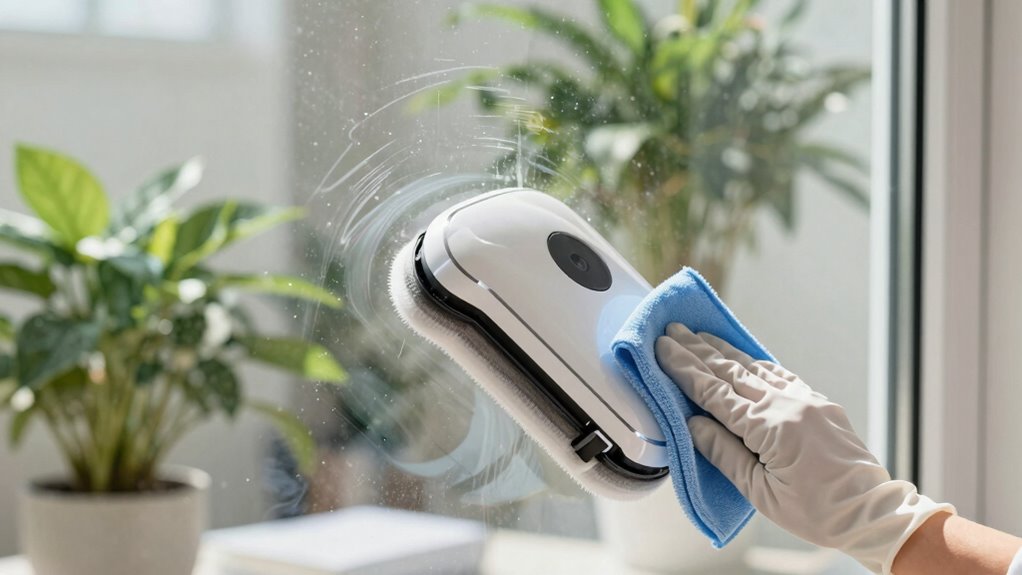
Achieving streak-free cleaning with your robot isn’t just about the machine itself. You need to guarantee proper sensor calibration for accurate surface detection, use the right cleaning solutions that won’t leave residues, and apply techniques like even wiping strokes. Environmental factors like humidity and dust also play a role in drying times and streak formation. When all elements work together, you get gleaming, streak-free surfaces. Keep exploring to discover how these factors make all the difference.
Key Takeaways
- Proper sensor calibration ensures accurate surface detection, preventing missed spots or excessive pressure that cause streaks.
- Correct cleaning solution formulation minimizes residue and enhances quick evaporation for a streak-free finish.
- Effective wiping technique, including straight, overlapping strokes, is essential for uniform, streak-free cleaning results.
- Environmental factors like humidity and dust impact drying and evaporation, influencing streak formation.
- Coordinating calibration, solution choice, technique, and environment optimizes overall cleaning effectiveness.
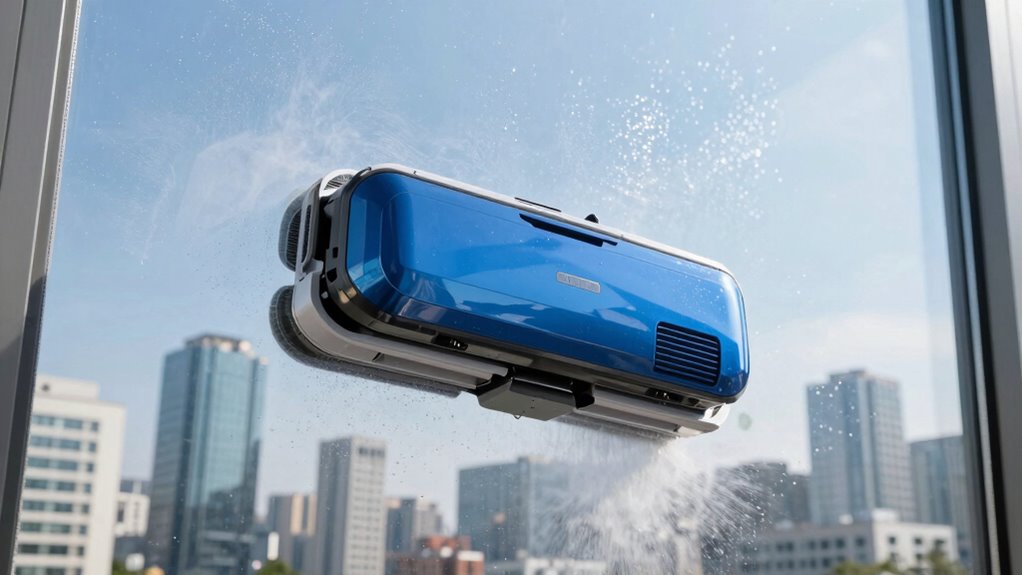
Achieving streak-free cleaning might seem challenging, but with the right techniques and products, you can make your surfaces shine without unsightly marks. The key isn’t just in the robot itself—it’s about guaranteeing the entire cleaning process is streamlined, starting with proper robot sensor calibration. When your robot’s sensors are correctly calibrated, it can accurately detect the surface’s cleanliness, adjust its movements, and apply the right amount of cleaning solution. If sensors are off, the robot might press too hard, leave excess solution, or miss spots altogether, leading to streaks and smudges. Regular sensor calibration keeps the robot functioning precisely, guaranteeing it responds correctly to different surfaces, whether glass, tile, or polished wood. Additionally, understanding the importance of sensor accuracy can help you troubleshoot and maintain your robot’s performance more effectively.
But even with an impeccably calibrated robot, streak-free results depend heavily on the cleaning solution formulation. The right cleaning solution should be effective at breaking down dirt and grime without leaving behind residues that cause streaks. Many commercial cleaners contain harsh chemicals that can leave a film if not properly formulated, so choosing or customizing a cleaning solution designed for streak-free finishes is essential. A well-formulated cleaning solution combines the right surfactants, water, and possibly alcohol or vinegar, to evaporate quickly and leave a spotless shine. It’s equally important to apply the solution evenly; too much liquid can cause streaks, while too little might not clean thoroughly.
Your technique in applying and wiping the surface plays a significant role, even after calibration and solution formulation. For example, if you’re using a robot with mopping capabilities, make sure the cloth or pad is clean and properly attached. Wiping in straight, overlapping strokes helps prevent streaks and ensures uniform coverage. After the robot completes its cycle, a quick manual buff with a microfiber cloth can remove any remaining streaks, especially on glass or glossy surfaces.
Furthermore, ambient conditions matter. Too much humidity or dust in the air can interfere with cleaning and cause streak formation. Running the robot in a clean environment and at ideal humidity levels ensures the cleaning solution dries evenly, preventing streaks caused by uneven evaporation. So, while the robot’s technology is essential, it’s equally important to keep the calibration precise, choose the right cleaning solution formulation, and consider environmental factors. When all these elements work together, you’ll find that streak-free cleaning is not just a goal but an achievable outcome that keeps your surfaces looking pristine and gleaming.

Shark AI Robot Vacuum Cliff Sensor Set, Drop Infrared Sensor Set – RV2000 AI Series Models
- Compatible Shark AI Models: Fits multiple RV2000 and RV2001 models
- Complete Sensor Set: Includes 3 infrared sensors, wiring, and connectors
As an affiliate, we earn on qualifying purchases.
As an affiliate, we earn on qualifying purchases.
Frequently Asked Questions
How Often Should I Clean the Robot Itself for Optimal Performance?
You should clean your robot weekly to maintain ideal performance. Follow a regular maintenance schedule by wiping sensors, brushes, and wheels to prevent buildup. This keeps the robot functioning efficiently and extends battery health. Regular cleaning ensures it navigates smoothly, cleans effectively, and reduces the risk of malfunctions. Prioritizing routine maintenance helps your robot stay in top shape, ultimately delivering streak-free cleaning every time.
What Types of Cleaning Solutions Are Safe for Robotic Cleaners?
You should use cleaning solutions that are chemical compatible with your robotic cleaner to prevent damage. Opt for eco-friendly solutions whenever possible, as they’re gentle on your device and the environment. Avoid harsh chemicals like bleach or ammonia, which can harm sensitive components. Instead, choose mild, non-abrasive cleaners approved for electronics or robotic devices. Regularly checking manufacturer guidelines guarantees you select the safest and most effective cleaning solutions.
Can Robot Vacuums Effectively Clean Textured or Uneven Surfaces?
Robot vacuums can handle textured or uneven surfaces, but cleaning challenges may arise depending on the surface texture. You might find that their brushes or suction struggle with deep grooves or thick carpets, leading to less effective cleaning. To guarantee thorough results, you may need to manually clean particularly rough or uneven areas or choose a robot specifically designed for these surfaces. Regular maintenance also helps improve their performance on challenging textures.
How Do Environmental Factors Affect Streak-Free Cleaning Results?
Environmental factors like humidity levels and air quality greatly influence streak-free cleaning results. You might think a robot vacuum is enough, but high humidity can cause streaks or smudges, while poor air quality can deposit dust and particles, making streaks more noticeable. To achieve the best results, guarantee proper ventilation, maintain ideal humidity, and regularly clean filters. Doing so helps your robot work more effectively and leaves surfaces spotless and streak-free.
Are There Specific Floor Types That Are More Challenging for Robots to Clean Streak-Free?
You’ll find that textured floors, like those with deep grooves or uneven surfaces, are more challenging for robots to clean streak-free. These floor types trap dirt and water, making it harder for the robot’s sensors and brushes to achieve a spotless finish. Regular cleaning helps, but for textured floors, you might need to increase cleaning frequency or manually spot clean to maintain streak-free results.

Unger Professional Streak-Free EasyGlide Glass Cleaner Concentrate, 32 oz – Ammonia-Free, Makes 25 Gallons of Solution , Safe for Tinted Windows, LOW-E Glass, Windshields & Mirrors
- Streak-Free Cleaning: Removes dirt without streaks or residue
- Ammonia-Free Formula: Safe for skin and environmentally friendly
- Multi-Purpose Use: Ideal for windows, mirrors, and glass surfaces
As an affiliate, we earn on qualifying purchases.
As an affiliate, we earn on qualifying purchases.
Conclusion
Remember, achieving that perfectly streak-free shine isn’t just about trusting your robot to do all the work. Think of it as a dance where your attention and care set the rhythm. Using the right cleaning solutions, maintaining your device, and gentle wiping are like the subtle steps that lead to a sparkling finish. When you put a little extra love into your routine, your surfaces will thank you with a clarity that truly shines.
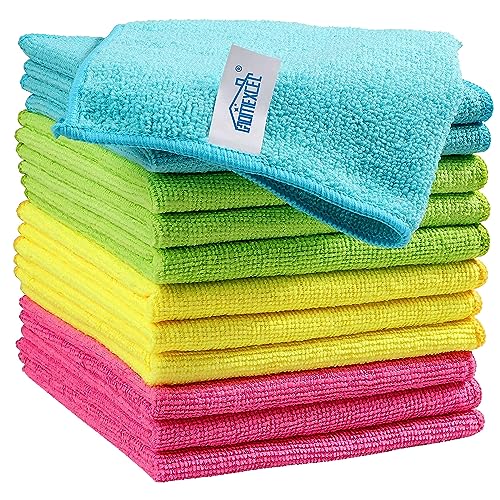
HOMEXCEL 12PK Microfiber Cleaning Cloth, Cleaning Rag for Home, 11.5×11.5in
- Streak-Free Cleaning: Effective on various surfaces with minimal effort
- Lint-Free & Scratch-Safe: Won't damage delicate finishes or surfaces
- Highly Absorbent: Quickly soaks up liquids and grime
As an affiliate, we earn on qualifying purchases.
As an affiliate, we earn on qualifying purchases.
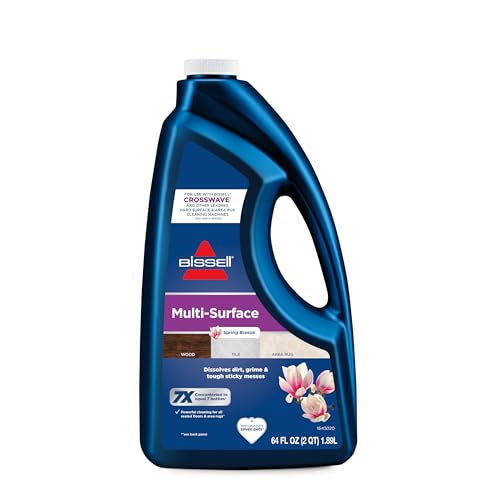
Bissell Multi-Surface Solution, For use in CrossWave and other leading hard surface and area rug cleaners, 64oz, Dissolves dirt, grime, and tough sticky messes
- Dissolves Dirt and Grime: Effective on tough messes
- Universal Floor Cleaner: For sealed floors and rugs
- Spring Breeze Scent: Fresh fragrance in every use
As an affiliate, we earn on qualifying purchases.
As an affiliate, we earn on qualifying purchases.