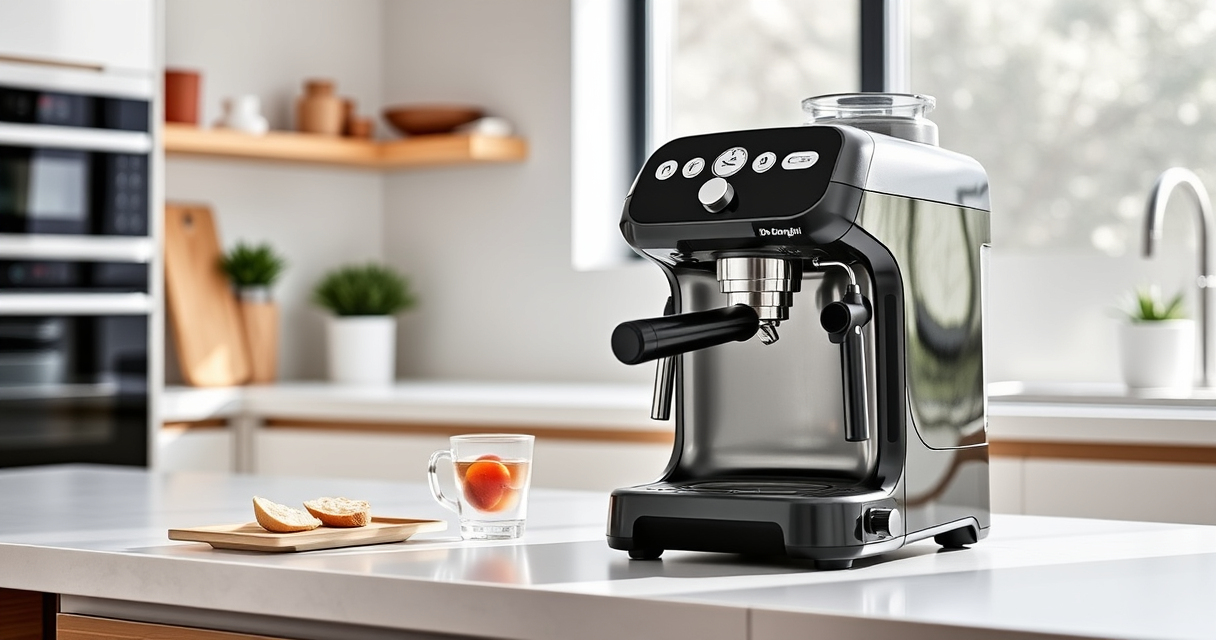
If your De’Longhi espresso machine is leaking water, it can disrupt your coffee routine and potentially cause damage. Understanding the common causes of leaks and how to fix them is essential for maintaining your machine’s performance. This guide provides practical, safe, and clear steps to identify and resolve water leaks effectively.

Get home appliances delivered free — and shop member deals
- Fast, free delivery on millions of items
- Access to Prime Big Deal Days deals on October 6–7
- Prime Video, Amazon Music and more included
Whether you’re experiencing a small drip or a significant leak, follow these troubleshooting steps to get your espresso maker back in top shape while ensuring safety and preserving the machine’s lifespan.
Key Takeaways
| Common Causes | Leaks often stem from blockages, worn seals, or mineral buildup. |
| Initial Checks | Inspect water tank and connections for cracks or loose fittings. |
| Maintenance Tips | Regular descaling and filter replacements prevent leaks. |
| When to Seek Help | Persistent leaks may require professional servicing or part replacements. |
Identify the Source of the Leak
- Unplug your machine and allow it to cool if recently used.
- Remove the water tank and inspect it for cracks or damage.
- Check all water connections, including the inlet and outlet hoses, for looseness or leaks.
- Look for water pooling around the drip tray or inside the drip tray area.
- Examine the brew group and internal components for signs of leaking or mineral deposits.
Check for Worn or Damaged Seals and Gaskets
Seals and gaskets are vital for preventing leaks. Over time, they can become brittle or worn, leading to water escaping during operation. Focus on the brew head gasket, water tank gasket, and any O-rings present in the machine.
In my testing, replacing worn gaskets made a noticeable difference in preventing leaks, especially around the brew head and water tank interface.
Clean and Descale Your Espresso Machine
- Mineral deposits from hard water can cause blockages and leaks. Use a descaling solution like the De’Longhi EcoDecalk Descaler, following the instructions carefully.
- Regular maintenance every 2-3 months helps prevent buildup and ensures smooth water flow.
- Clean the water tank and any removable parts thoroughly to remove residue and deposits.
Inspect and Replace Faulty Components
If the leak persists after cleaning and checking seals, consider replacing worn parts. These might include:
- Water tank gasket or seal
- Internal O-rings
- Valves or hoses that show signs of cracks or wear
Consult your De’Longhi model’s user manual for specific part replacements and instructions.
Prevent Future Leaks with Proper Maintenance
To keep your machine leak-free, regularly replace filters like the De’Longhi Replacement Water Filter, and perform descaling with products like the De’Longhi EcoDecalk Descaler. Always follow the manufacturer’s guidelines for maintenance routines.
Storing your machine properly and avoiding overfilling the water tank also reduces the risk of leaks.
The Products in This Guide
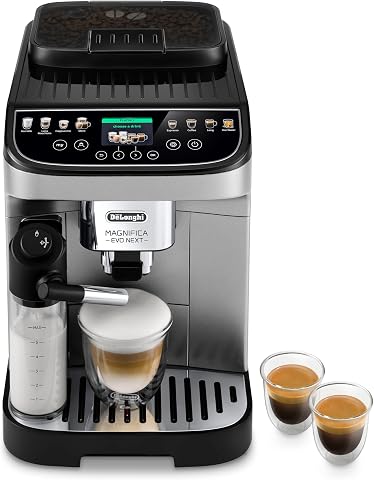
De’Longhi Magnifica Evo Next Fully Automatic Espresso Ma
- ✔ Color: Stainless Steel
- ✔ Warranty: 2 Years
- ✔ Water Filter Compatibility: Yes

De’Longhi Replacement Water Filter
- ✔ Cost: Affordable
- ✔ Ease of Use: Very simple
- ✔ Frequency: Every 2 months
De’Longhi Magnifica Evo Next Fully Automatic Espresso Ma
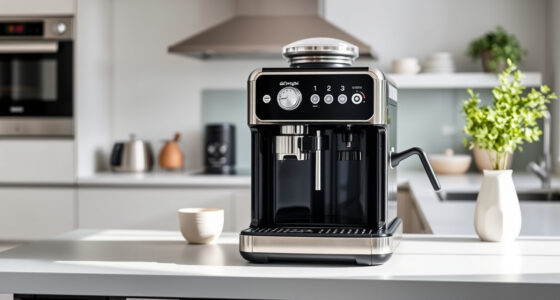
The De’Longhi Magnifica Evo Next is a top-rated fully automatic espresso maker, praised for its programmable features, built-in grinder, and milk frother. It combines convenience with quality, making it a popular choice for home baristas.
Pros:
- User-friendly interface
- Advanced coffee customization
- Built-in grinder with 13 settings
- Automatic milk frothing system
Cons:
- Can be complex to clean fully
- Water reservoir may leak if not seated properly
- Requires regular descaling for optimal performance
Best for: Coffee enthusiasts seeking a high-quality, all-in-one espresso station at home
Not ideal for: Users seeking a manual espresso experience or minimal maintenance machine
Bottom line: A versatile espresso machine that combines convenience with premium features, ideal for home baristas.
De’Longhi Replacement Water Filter
Replacing your water filter regularly can significantly reduce mineral buildup and leaks. The De’Longhi Replacement Water Filter is designed specifically to optimize water quality in compatible espresso machines, ensuring better taste and fewer issues.
Pros:
- Improves water quality
- Prevents lime scale buildup
- Easy to install
- Extends machine lifespan
Cons:
- Needs replacement every 2 months
- Additional cost for replacements
- Only compatible with select models
Best for: Maintaining clean water flow and preventing leaks in your espresso machine
Not ideal for: If your machine is leaking due to other mechanical issues, replacing the filter alone won’t solve the problem
Bottom line: A simple upgrade to improve water quality and prevent future leaks in your espresso machine.
Frequently Asked Questions
Why is my De’Longhi espresso machine leaking water from the bottom?
Leaking from the bottom often indicates a loose or damaged water tank gasket, a crack in the water reservoir, or internal mineral buildup causing blockages. First, check for cracks or loose fittings, then clean and descale the machine if needed.
Can mineral deposits cause water leaks?
Yes, mineral deposits from hard water can clog internal components and cause leaks or reduced water flow. Regular descaling with products like De’Longhi EcoDecalk helps prevent this issue.
How often should I descale my De’Longhi espresso machine?
It’s recommended to descale every 2-3 months, especially if you use hard water. Follow your user manual’s instructions and use a suitable descaling product for best results.
Is it safe to fix leaks myself?
Yes, for minor issues like replacing gaskets or cleaning, following safety procedures and disconnecting the machine from power is safe. For internal or complex problems, consult a professional technician.
What maintenance routines help prevent leaks?
Regularly replace water filters, descale the machine, and inspect seals and hoses. Proper storage and avoiding overfilling the water tank also contribute to leak prevention.
Keep Your Coffee Brewing Smoothly
Water leaks in your De’Longhi espresso machine can be caused by several factors, from worn seals to mineral buildup. By systematically inspecting, cleaning, and replacing parts as needed, you can restore your machine’s functionality and enjoy your favorite coffee without interruption. Regular maintenance routines are key to preventing future issues and ensuring long-lasting performance.
Remember, if problems persist despite troubleshooting, professional servicing is recommended to avoid further damage and keep your espresso experience enjoyable.
Affiliate disclosure: As an Amazon Associate we earn from qualifying purchases. Prices and availability are accurate as of the time of publishing.
Fall Picks
fall essentials
As an affiliate, we earn on qualifying purchases.