Robot mops can stir up dust and allergens as they move across your floors, causing a temporary increase in airborne particles. While they help lift loose dirt and reduce surface dust, improper maintenance or dirty filters may worsen air quality. To keep allergens in check, make certain your robot is well-maintained and combined with other cleaning routines. Want to discover effective ways to minimize dust disturbances? Keep exploring to find out more.
Play games included with Prime
Start a Prime free trial and play with Amazon Luna on your devices.
As an affiliate, we earn on qualifying purchases.
Key Takeaways
- Robot mops can stir up dust and debris during cleaning, temporarily increasing airborne allergens.
- Proper maintenance of filters and microfiber cloths is essential to prevent allergen redistribution.
- Using HEPA-filtered vacuum cleaners alongside robot mops helps reduce overall airborne allergens.
- Regular surface dusting and good ventilation minimize allergen buildup and disturbance.
- Balancing robot mop use with manual cleaning strategies optimizes indoor air quality for allergy sufferers.
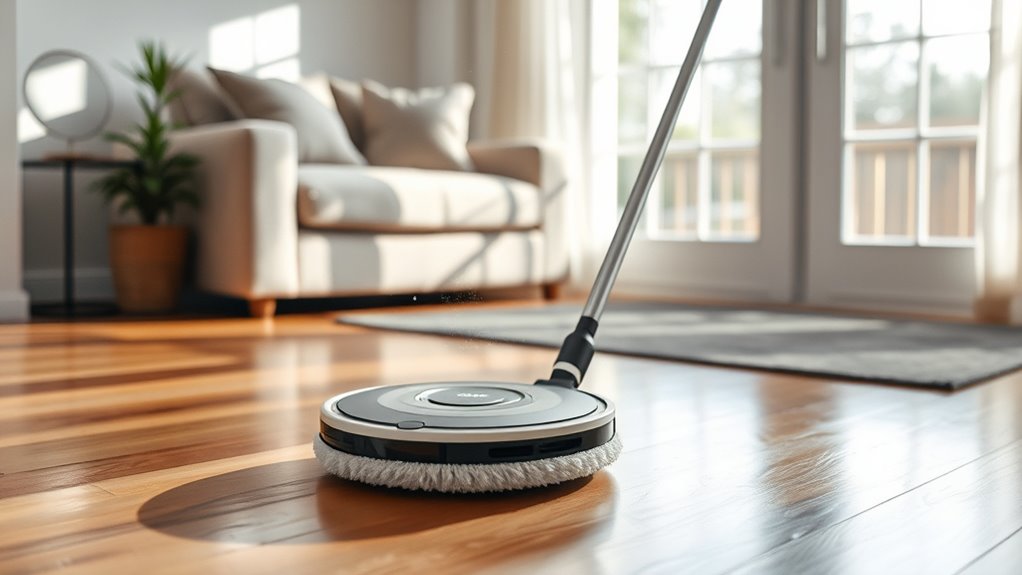
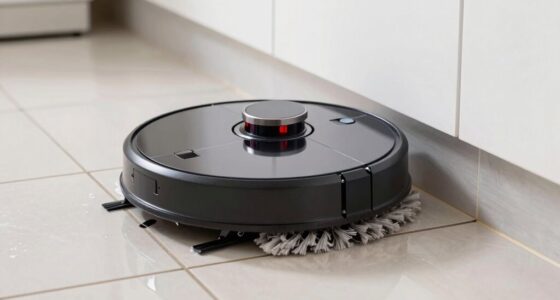
If you’re concerned about allergens in your home, you might wonder whether robot mops help or harm your efforts. The truth is, their impact on air quality and allergy triggers depends on how they’re used and maintained. Many people assume that robot mops automatically improve cleanliness, but they can sometimes stir up dust and debris, especially if not properly maintained. When a robot mop moves across a surface, it can lift loose dirt, pet dander, and dust particles into the air, temporarily reducing what’s on the floor but increasing airborne allergens. This can be problematic if you’re sensitive to dust or have respiratory issues, as those particles can settle on surfaces or be inhaled, aggravating allergy symptoms.
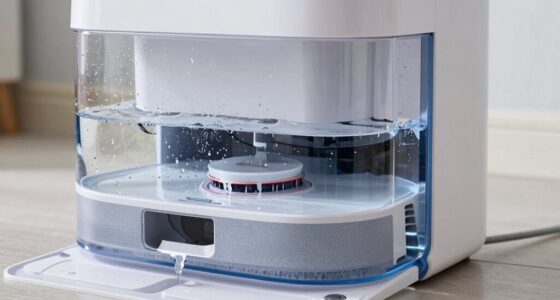
However, a well-maintained robot mop can actually contribute positively to your air quality over time. Regular use of a robot mop helps keep floors cleaner, reducing the amount of allergen-laden dust that accumulates. When floors are consistently cleaned, there’s less dust to be disturbed during daily activities, which means fewer allergy triggers floating around in your environment. Plus, many robot mops come equipped with HEPA filters or microfiber cloths designed to trap fine particles. These features can help prevent dust from being released back into the air during cleaning, making the process less disruptive for allergy sufferers.
That said, it’s important to understand that robot mops aren’t a magic bullet. If you’re dealing with significant dust or pet dander, you should combine their use with other allergy management strategies. Regularly changing filters, vacuuming with a HEPA-equipped vacuum, and dusting surfaces are all essential steps. Additionally, you should ensure your robot mop is cleaned and maintained properly—such as replacing or washing microfiber cloths and filters—to prevent it from redistributing trapped allergens. If your robot mop agitates dust without removing it properly, it might temporarily worsen air quality, especially in poorly ventilated spaces.
Ultimately, robot mops can be helpful in reducing overall dust buildup and maintaining cleaner floors, but they shouldn’t be solely relied upon for allergy control. They’re most effective when integrated into a thorough cleaning routine that prioritizes air quality. By doing so, you can strike a balance—using your robot mop to keep floors tidy while minimizing the disturbance of allergy triggers and creating a healthier environment for yourself and your family.
As an affiliate, we earn on qualifying purchases.
Frequently Asked Questions
Can Robot Mops Trigger Allergies in Sensitive Individuals?
Yes, robot mops can trigger allergies in sensitive individuals. They may stir up airborne particles and allergen spread, especially if your home has dust, pet dander, or pollen. When the robot moves, it can lift these particles into the air, causing allergy symptoms to worsen. To minimize this, guarantee regular cleaning of your robot’s brushes and filters, and consider using HEPA filters to trap airborne allergens effectively.
Do Robot Mops Effectively Remove Pet Dander?
Robot mops do effectively remove pet dander, leaving your floors cleaner and allergen-free. Imagine a busy home where pet hair floats in the air, then picture your robot mop gliding smoothly, capturing those tiny dander particles. With high robot mop efficiency, it reaches into corners and along baseboards, reducing pet dander buildup. You’ll notice fresher air and fewer allergy symptoms, making your space healthier for everyone.
Are Certain Robot Mop Models Better for Allergen Control?
Yes, certain robot mop models are better for allergen control. Look for models with HEPA filters and powerful suction to improve air quality by capturing dust and pet dander effectively. Set a consistent cleaning schedule to prevent allergens from settling and guarantee your home stays fresh. Regular maintenance of your robot mop also helps it perform at its best, reducing allergens and creating a healthier environment for you.
How Often Should Robot Mops Be Maintained to Reduce Dust?
Think of your robot mop as a diligent gardener tending to a delicate garden. To keep dust accumulation at bay, you should perform maintenance every one to two weeks. Regularly empty dust bins, clean brushes, and check filters so the robot can effectively settle dust rather than stir it up. Consistent maintenance keeps your space fresh, turning your robotic helper into a trustworthy guardian against allergens.
Do Robot Mops Emit Any Allergens or Irritants During Operation?
Robot mops generally don’t emit allergens or irritants during operation, but they can stir up airborne particles if not cleaned regularly. Some models use chemical solutions that might release minor chemical emissions, which could irritate sensitive individuals. To minimize risks, make certain your robot mop is well-maintained, filters are clean, and choose models with eco-friendly cleaning options. This way, you reduce airborne particles and avoid unnecessary chemical exposure.
As an affiliate, we earn on qualifying purchases.
Conclusion
While some worry that robot mops might stir up dust, research suggests they often settle particles rather than lift them. If you have allergies, using a robot mop with HEPA filters can further reduce airborne allergens, making your space safer. Trusting modern technology, combined with proper maintenance, means you don’t have to choose between convenience and health. Ultimately, with the right features, robot mops can be an effective allergen-friendly cleaning tool.
microfiber mop cloths for robot mops
As an affiliate, we earn on qualifying purchases.
As an affiliate, we earn on qualifying purchases.
As an affiliate, we earn on qualifying purchases.
Fall Picks
fall essentials
As an affiliate, we earn on qualifying purchases.