To maintain your window cleaning robot pads for better results, regularly inspect them for wear, fraying, or loss of grip, and replace worn pads promptly. Clean the pads with mild soap and water, avoiding harsh chemicals, and let them air dry completely before reattaching. Store spare pads in a dry, clean place and rotate them to extend their lifespan. Proper handling, cleaning, and timely replacements are key—learn more tips to keep your windows spotless every time.
Key Takeaways
- Regularly inspect pads for wear, frayed edges, or loss of grip, and replace when necessary.
- Clean pads with mild soap and water, avoiding harsh chemicals to maintain adhesion and material integrity.
- Ensure pads are completely dry before reattaching to prevent mold and odors.
- Store spare pads in a clean, dry environment and rotate between sets to extend lifespan.
- Handle pads carefully during installation and check attachment security for optimal cleaning performance.

Keeping your window cleaning robot pads in top condition is essential for effective performance. When your pads are clean and in good shape, your robot can do its job efficiently, leaving your windows streak-free and spotless. One of the key aspects of maintaining these pads is knowing when to perform robot pad replacement. Over time, pads can become worn out, less sticky, or clogged with dirt and grime, which diminishes their ability to clean effectively. Regularly inspecting your pads helps you determine if they need a replacement. If you notice frayed edges, significant loss of grip, or persistent streaks even after cleaning, it’s time to swap out the old pads for fresh ones. Replacing pads is straightforward and guarantees your robot maintains peak cleaning power.
Another essential part of maintaining your window cleaning robot pads involves cleaning and care between replacements. Regular cleaning of the pads prevents dirt buildup, which can impair their ability to adhere to surfaces and clean thoroughly. When cleaning the pads, pay attention to the cleaning solution you select. Picking the right cleaning solution is critical—avoid harsh chemicals that could degrade the material of the pads and compromise their effectiveness. Instead, opt for mild, non-abrasive solutions that are gentle yet effective at removing dirt and residues. Many manufacturers recommend using a mixture of water and a gentle soap or specialized cleaning solutions designed for robot pads. Avoid soaking the pads for extended periods, as this can damage the adhesive layer or fabric. After cleaning, allow the pads to air dry completely before reattaching them to your robot. Proper drying prevents mold, odors, and potential deterioration of the pads. Additionally, understanding the importance of requirements traceability helps ensure that maintenance procedures align with manufacturer recommendations and quality standards. Maintaining the pads also involves being mindful of their adhesive properties, which can be affected by improper cleaning or storage practices. Regularly checking the pad material can help identify early signs of wear and tear, extending their lifespan. Incorporating proper storage practices can further help preserve the integrity of your pads when not in use. Moreover, paying attention to material compatibility can prevent damage caused by using incompatible cleaning agents or storage methods, further prolonging their usability.
Furthermore, maintaining the pads involves careful handling during installation and removal. When replacing pads, ensure they are securely attached to prevent slipping or detachment during cleaning cycles, which can reduce cleaning efficiency. Store spare pads in a clean, dry place to keep them in good condition until needed. Regularly rotating between multiple sets of pads can also extend their lifespan and ensure you always have a fresh set ready for use. Remember, consistent care and timely replacements not only improve your robot’s cleaning performance but also prolong the device’s overall lifespan. By paying close attention to the condition of your pads, selecting the right cleaning solutions, and replacing worn-out pads promptly, you guarantee your window cleaning robot performs at its best, leaving your windows crystal clear and streak-free every time.
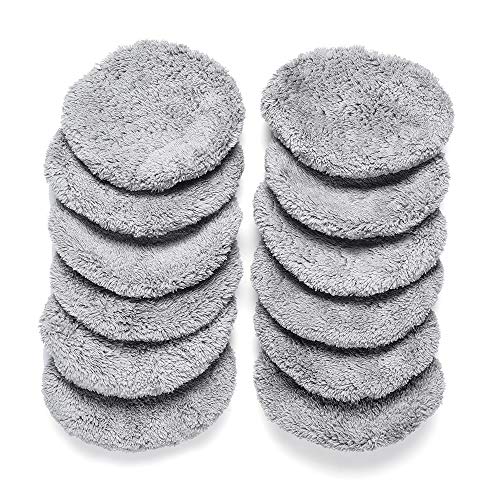
Replacement Pads for Window Cleaning Robot, Compatible with Model W5 W2 X5 X6 X7 X8 HC-09 HC-07 HC-11 HC-18, Washable and Reusable Microfiber Cloth -12pcs/6 Sets
- Compatibility: Fits Tosima and round window robots
- Package Quantity: Includes 12 microfiber pads in 6 sets
- Reusable Design: Washable and reusable microfiber pads
As an affiliate, we earn on qualifying purchases.
As an affiliate, we earn on qualifying purchases.
Frequently Asked Questions
Can You Use Harsh Chemicals to Clean Robot Pads?
You shouldn’t use harsh chemicals to clean robot pads because they can damage the material and reduce pad durability. Instead, opt for gentle, chemical-free cleaning methods like warm water and mild soap. Harsh chemicals may seem effective initially, but they can degrade the pad over time, leading to more frequent replacements and decreased cleaning performance. Keeping your robot pads in good condition guarantees they last longer and work more effectively.
How Often Should I Replace the Pads Entirely?
If your robot pads are showing significant wear or loss of grip, it’s time to replace them. For most users, the pad lifespan and replacement frequency range from every 3 to 6 months, depending on usage. Imagine a busy household where the pads start slipping after four months; replacing them then guarantees maximum cleaning efficiency. Regular checks help you maintain peak performance and avoid streaks or missed spots.
Are There Specific Cleaning Agents for Different Pad Types?
Yes, there are specific cleaning solutions for different pad materials. For microfiber pads, use mild detergents or specialized cleaning solutions to prevent damage and maintain absorbency. For foam or synthetic pads, avoid harsh chemicals that could break down the material. Always check the manufacturer’s recommendations, as using the right cleaning solutions guarantees your pads stay effective longer and deliver better cleaning results.
Can I Wash the Pads in a Dishwasher?
Imagine your robot’s pads as loyal soldiers, fighting grime daily. Washing them in a dishwasher isn’t ideal; it can damage the delicate fibers, reducing their longevity. Instead, hand wash with gentle soap after each cleaning cycle. Properly maintained pads extend their lifespan, ensuring consistent cleaning and best robot performance. By caring for your pads, you maximize robot pad longevity and keep your window cleaning routine efficient and effective.
Do Pad Maintenance Routines Vary by Window Size?
Yes, your pad maintenance routines should vary based on window size and cleaning frequency. For larger windows or frequent cleanings, inspect and clean the pads more often to prevent buildup and guarantee maximum performance. Smaller or less frequently cleaned windows may require less maintenance. Adjust your routine accordingly, always checking the pads for debris or wear, so they stay effective regardless of window size or how often you clean.
Replacement Pads for Window Cleaning Robot, Compatible with Model W5 W2 X5 X6 X7 X8 HC-09 HC-07 HC-11 HC-18, Washable and Reusable Microfiber Cloth -12pcs/6 Sets
- Compatibility: Fits Tosima and round window robots
- Package Quantity: Includes 12 microfiber pads in 6 sets
- Reusable Design: Washable and reusable microfiber pads
As an affiliate, we earn on qualifying purchases.
As an affiliate, we earn on qualifying purchases.
Conclusion
Maintaining your window cleaning robot pads guarantees they perform at their best and last longer. Regularly cleaning and inspecting the pads prevents dirt buildup, which can lead to streaks or reduced suction. For example, Sarah noticed her robot wasn’t cleaning as effectively after a few months. After cleaning and replacing the pads, her windows sparkled again. Keep up with these simple steps, and your robot will deliver spotless results every time, saving you effort and money in the long run.

Window Cleaning Solution for ECOVACS Winbot All Series Cleaning Robot
- Compatible Robot Models: Fits various ECOVACS Winbot models
- Efficient Cleaning Formula: Removes stains without damaging surfaces
- No Residue Shine: Leaves glass spotless and shiny
As an affiliate, we earn on qualifying purchases.
As an affiliate, we earn on qualifying purchases.
Replacement Pads for Window Cleaning Robot, Compatible with Model W5 W2 X5 X6 X7 X8 HC-09 HC-07 HC-11 HC-18, Washable and Reusable Microfiber Cloth -12pcs/6 Sets
- Compatibility: Fits Tosima and round window robots
- Package Quantity: Includes 12 microfiber pads in 6 sets
- Reusable Design: Washable and reusable microfiber pads
As an affiliate, we earn on qualifying purchases.
As an affiliate, we earn on qualifying purchases.