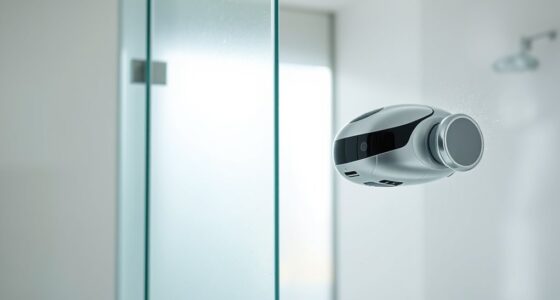

When using a window cleaning robot, you usually don’t need special detergents—mild, diluted solutions with common or eco-friendly cleaners work well. It’s best to steer clear of harsh chemicals like bleach or ammonia, which can damage the device. Following the manufacturer’s recommendations ensures effective cleaning and prevents buildup that could impair the robot’s performance. To discover more about choosing the right solutions and maximizing your robot’s efficiency, keep exploring the options available.
Key Takeaways
- Most window cleaning robots work well with mild, non-abrasive, diluted cleaning solutions; harsh chemicals should be avoided.
- Always follow manufacturer guidelines for detergent type and concentration to prevent damage and streaks.
- Using proper, gentle cleaning solutions helps maintain the robot’s performance and prolongs its lifespan.
- Some models have built-in reservoirs requiring specific solutions, so check compatibility before use.
- Proper detergents ensure effective cleaning, reduce residue, and protect internal components from chemical damage.
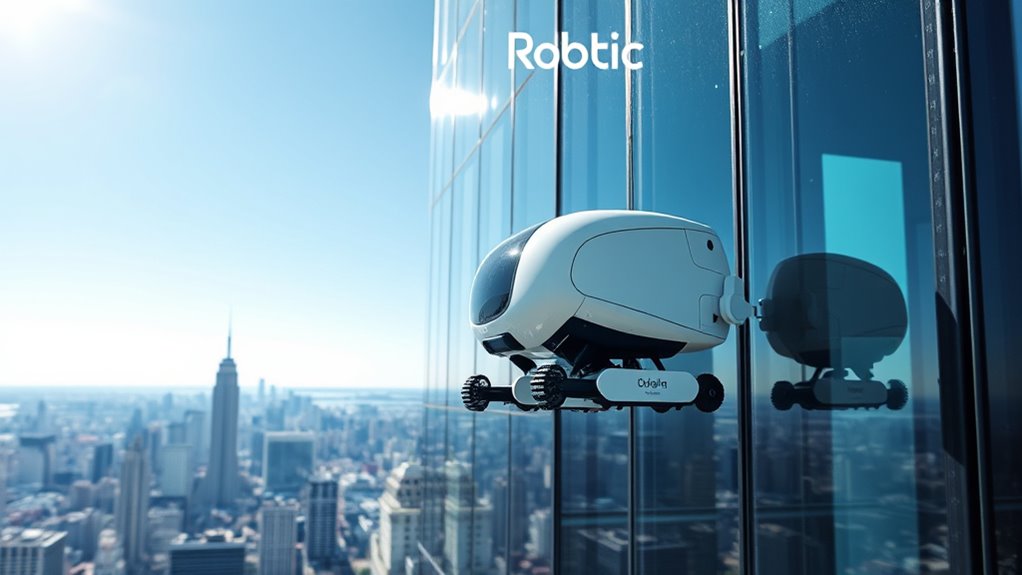
Window cleaning robots are revolutionizing the way we maintain high-rise and hard-to-reach glass surfaces. These devices are designed to handle challenging tasks efficiently, allowing you to save time and reduce risks associated with manual cleaning. When it comes to their operation, one key aspect that often comes to mind is whether you need special detergent or cleaning solutions. The good news is, most modern window cleaning robots are engineered to work effectively with standard cleaning agents, but understanding their requirements can optimize results and prolong their lifespan.
Robot navigation plays a vital role in how these devices clean your windows. Advanced navigation systems, like LIDAR or camera-based mapping, help the robot traverse the surface meticulously, avoiding obstacles and ensuring complete coverage. This precise navigation not only results in a spotless finish but also minimizes unnecessary movement, which can save energy. As a result, many models are designed with energy efficiency in mind, allowing you to get more cleaning cycles from a single charge or water tank. This focus on energy efficiency means you won’t need to constantly recharge or refill, making the process more sustainable and cost-effective.
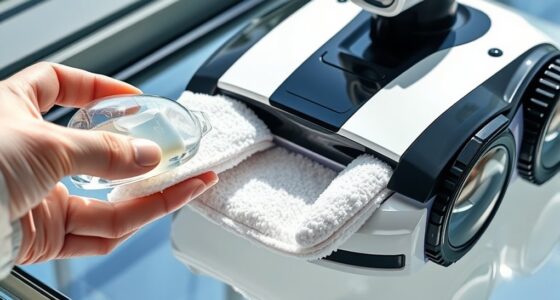
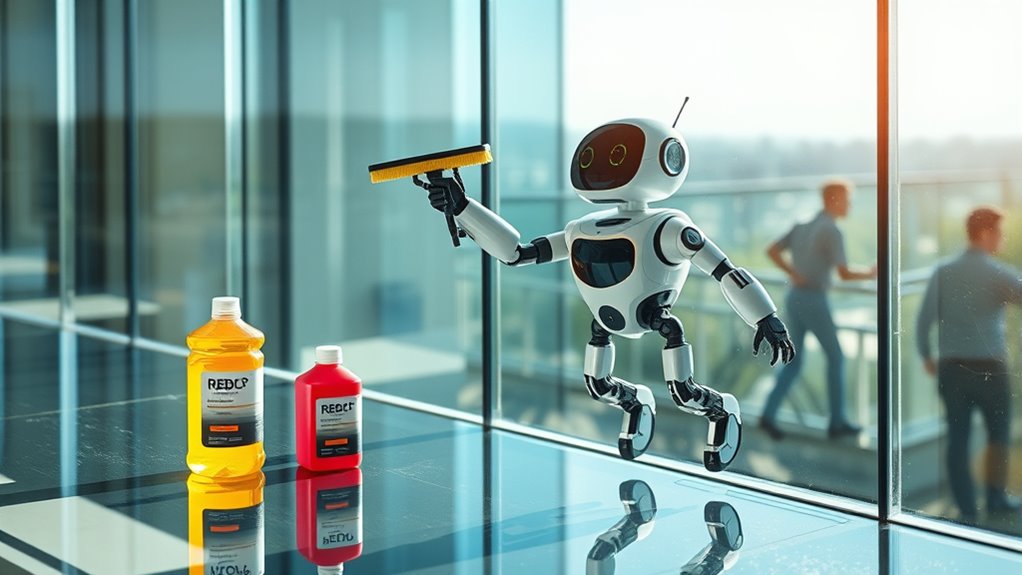
Regarding detergents, most window cleaning robots are compatible with mild, non-abrasive cleaning solutions. These are typically diluted with water, and you can use standard glass cleaners or eco-friendly options. Some robots have built-in reservoirs for cleaning fluids, so it’s essential to follow the manufacturer’s instructions on what type of detergent to use. Using harsh chemicals or overly concentrated solutions can damage the robot’s components or leave streaks on your glass. It’s generally recommended to steer clear of bleach or ammonia-based cleaners, as these can corrode internal parts or compromise the robot’s operation. Additionally, some models are designed to work with specific cleaning solutions that enhance their performance. These solutions are formulated to be safe for the robot’s brushes and pads while providing effective cleaning power. Keep in mind that the cleaning process itself often involves a combination of water and a mild detergent, which helps loosen dirt and grime without leaving residues or streaks. This ensures your windows stay crystal clear and free from streaks, all while maintaining the robot’s longevity. Proper cleaning solutions can also help prevent buildup on the robot’s brushes and sensors, contributing to its effective operation over time.
Frequently Asked Questions
Can Window Cleaning Robots Handle Tinted or Uv-Protected Glass?
Yes, window cleaning robots can handle tinted glass and UV-protected surfaces. You don’t need special detergents for these types of glass, but verify your robot’s cleaning pads or brushes are compatible with delicate surfaces. Tinted and UV-protected glass often require gentle cleaning to avoid damage or discoloration. Check your robot’s specifications and manufacturer recommendations to guarantee safe and effective cleaning, especially on sensitive, coated, or tinted glass surfaces.
Are There Eco-Friendly Detergent Options Compatible With Robots?
Think of eco-friendly formulas as a gentle rain nourishing your glass. Yes, there are biodegradable options compatible with your robot, making cleaning both effective and kind to the environment. These solutions break down naturally, leaving no harmful residues behind. By choosing eco-friendly detergents, you keep your windows spotless while reducing your carbon footprint, ensuring a cleaner planet and clearer views.
How Often Should I Replace the Robot’s Cleaning Pads or Brushes?
You should replace your window cleaning robot’s pads or brushes every 2 to 3 months, depending on usage and the replacement schedule. Pay attention to the cleaning pad lifespan; if you notice reduced cleaning performance or visible wear, it’s time for a replacement sooner. Regularly inspecting and changing these parts guarantees peak cleaning results and prolongs the life of your robot. Proper maintenance keeps your windows spotless and your device working efficiently.
Do Different Window Types Require Different Cleaning Solutions?
Think of your windows like a puzzle—different glass types require specific care. For delicate or tinted glass, you should choose detergent compatibility carefully to avoid damage. For standard glass, most gentle cleaning solutions work well. Always check your window’s material and the robot’s detergent recommendations. Using the right solution preserves clarity and prevents scratches, ensuring your robot cleans effectively without harming your windows’ unique glass types.
Is It Safe to Use Homemade Detergents With Robotic Window Cleaners?
Using homemade detergents with robotic window cleaners can be safe if you choose DIY cleaning and chemical-free solutions. You should avoid harsh chemicals that might damage the robot’s components or leave residues. Opt for gentle, eco-friendly ingredients like water, vinegar, or mild soap. Always check your robot’s manufacturer guidelines first, and test any homemade solution on a small area to verify compatibility and safety.
Conclusion
When it comes to window cleaning robots, using the right detergent can make all the difference—think of it as giving your robot superpowers for a streak-free shine. Most models don’t require special detergents, but a gentle, eco-friendly solution guarantees ideal results and keeps your robot running smoothly. Skip harsh chemicals, and you’ll have crystal-clear windows that sparkle brighter than the sun itself. Trust me, your view will be so breathtaking, it’ll feel like looking through a portal to paradise.