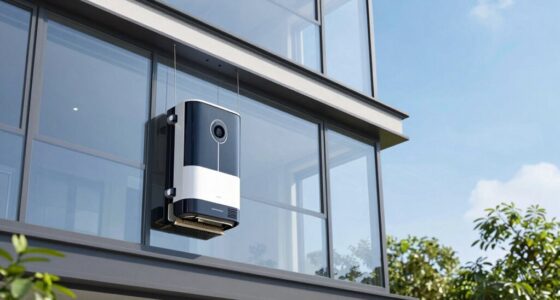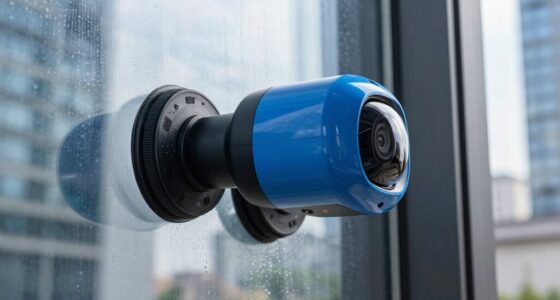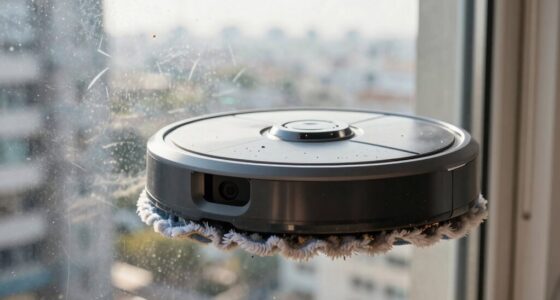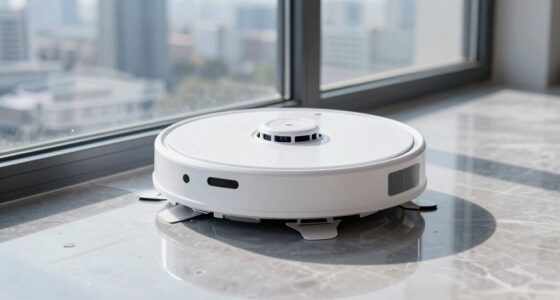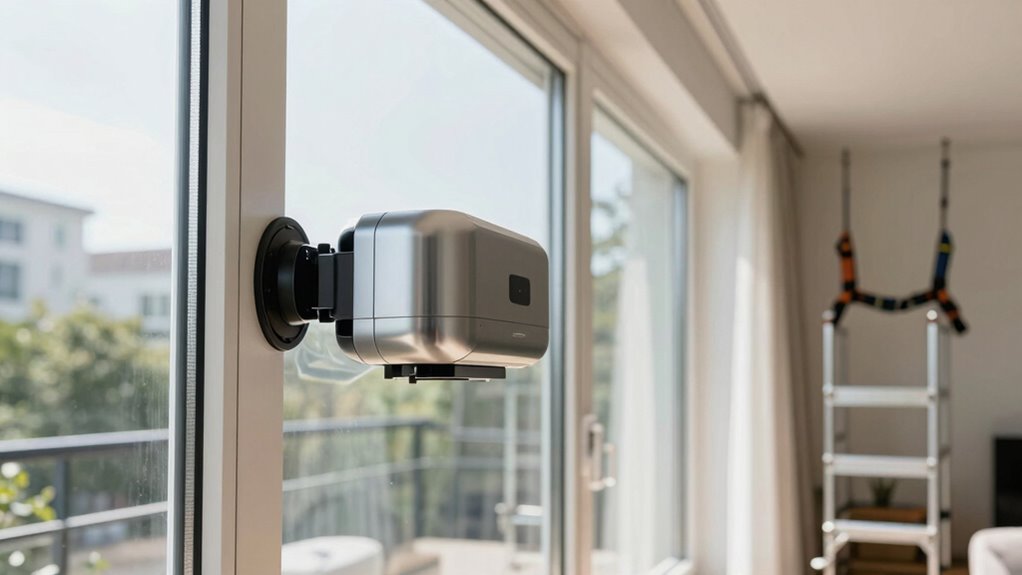

To use a window robot safely in multi-story homes, start by familiarizing yourself with the device’s instructions and safety features. Guarantee the robot is rated for your window size and all parts are secure. Set up on a stable surface and keep children and pets away. Constantly monitor the robot during operation, watching for malfunctions or wobbling. Turn it off after use and inspect for damage. Curious to learn more? Keep exploring these essential safety tips.

Get home appliances delivered free — and shop member deals
- Fast, free delivery on millions of items
- Access to Prime Big Deal Days deals on October 6–7
- Prime Video, Amazon Music and more included
Key Takeaways
- Use a stable platform and safety harnesses when working on higher or hard-to-reach windows.
- Keep the robot within sight and monitor it closely throughout the cleaning process.
- Ensure all parts are secure, undamaged, and properly attached before operation.
- Avoid operating in windy, stormy, or adverse weather conditions to prevent instability.
- Turn off and inspect the robot after use, storing it safely to maintain safety and functionality.
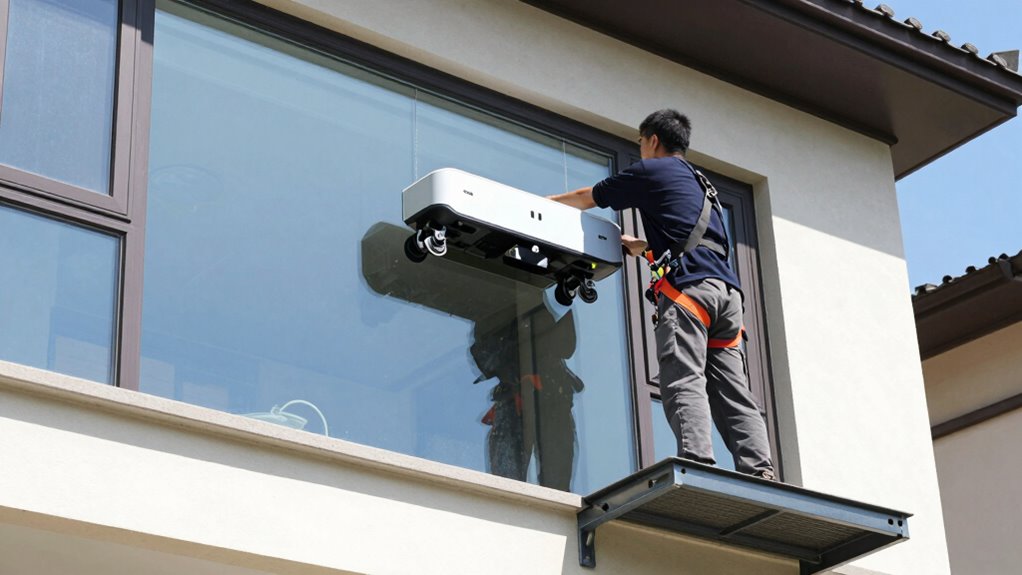
Cleaning windows in multi-story homes can be risky, especially if you’re using a window robot without proper safety measures. While these devices are designed to make window cleaning easier, you still need to prioritize safety precautions to avoid accidents or damage. Before you start, familiarize yourself with your window robot’s instructions and safety features. Make sure the device is rated for the size and weight of your windows, and double-check that all parts are secure. Inspect the robot for any signs of wear or damage, and ensure the suction cups or attachments are functioning properly.
Ensure your window robot is secure, functional, and suitable for your windows before starting for safe cleaning.
When you’re ready to begin cleaning, always use a stable, secure platform if you need to access windows that are hard to reach. Even if the robot is meant to work independently, setting up a safety harness or guardrail can provide extra protection, especially on higher floors. Never rely solely on the robot’s safety features; your vigilance is crucial. Keep a close eye on the device during operation, watching for any signs of malfunction or detachment. If the robot starts to wobble or lose contact, pause the cleaning process immediately.
It’s also essential to prepare the area around your windows. Clear the space of any obstacles or fragile objects that could get damaged if the robot malfunctions or falls. Make sure children and pets are far away from the work zone, as accidents can happen unexpectedly. When operating the robot, avoid using it in windy conditions or during storms. Wind can destabilize the robot, increasing the risk of it falling or causing damage. Staying informed about market trends and insights can help you better understand the risks involved in the technology and how to mitigate them.
During window cleaning, stay nearby so you can quickly intervene if needed. Keep your phone or communication device within reach in case you need to pause or stop the robot remotely. Regularly monitor the progress, and don’t leave the device unattended for long periods. Post-cleaning, turn off the robot and inspect it for any issues before storing it away. Proper maintenance and storage will ensure its safety and longevity for future use. Additionally, understanding window robot safety features can help you better prepare for safe operation.
window cleaning robot for multi-story homes
As an affiliate, we earn on qualifying purchases.
As an affiliate, we earn on qualifying purchases.
Frequently Asked Questions
Can Window Robots Be Used on Tinted or Reflective Glass?
Yes, window robots can be used on tinted glass and reflective surfaces, but you should check the manufacturer’s guidelines first. Tinted glass may affect the robot’s sensors, so verify it’s compatible. Reflective surfaces can sometimes cause navigation issues, so test the robot on a small area initially. Always monitor its performance, and avoid using it on surfaces that could damage the robot or impair its functionality.
What Should I Do if the Robot Gets Stuck?
If your window robot gets stuck, stay calm and act quickly. First, perform a manual rescue by carefully turning off the device and disconnecting it from power. Then, remove any obstacles blocking its path, like dirt or debris, to free it safely. Always check the manufacturer’s instructions for specific guidance. Regular maintenance and obstacle removal help prevent future getting-stuck moments, ensuring smooth, safe operation.
Are There Specific Safety Features to Look For?
Look for safety sensors on your window robot, which detect obstacles and prevent accidents. An emergency stop feature is essential, allowing you to halt the robot instantly if needed. These safety features help protect you and your home, especially on multi-story windows. Make sure your robot has reliable sensors and an accessible emergency stop button, so you can operate it confidently and safely, avoiding potential mishaps.
How Often Should I Perform Maintenance on the Robot?
You should perform maintenance on your window robot every few weeks to keep it humming smoothly. Follow cleaning schedules and maintenance tips diligently—think of it as a spa day for your robot. Regularly check for debris, clean sensors, and replace worn-out parts. This way, your high-rise window cleaner stays reliable and safe, preventing unexpected falls or breakdowns. After all, a well-maintained robot is a happy, streak-free window warrior.
Can Window Robots Be Used During Rain or High Humidity?
Window robots aren’t designed for rain resistance or high humidity safety, so you shouldn’t use them during rain or in very humid conditions. Water and moisture can damage the electronics and affect their performance. If you want clean windows in wet weather, wait until the rain stops and humidity levels drop. Always check your device’s manufacturer guidelines for specific weather-related safety instructions to keep your robot and home safe.
safety harness for window cleaning
As an affiliate, we earn on qualifying purchases.
As an affiliate, we earn on qualifying purchases.
Conclusion
Remember, safety isn’t just a guideline—it’s the anchor that keeps your home secure. By following these simple steps, you turn your window robot from a helpful gadget into a trusted guardian of your multi-story home. Think of it as a dance partner—trust, coordination, and caution make the routine smooth. So, embrace these safety tips with confidence, and let your window robot work its magic while keeping safety at the heart of every clean.
window robot with safety features
As an affiliate, we earn on qualifying purchases.
As an affiliate, we earn on qualifying purchases.
As an affiliate, we earn on qualifying purchases.
Fall yard work Picks
leaf blowers
As an affiliate, we earn on qualifying purchases.