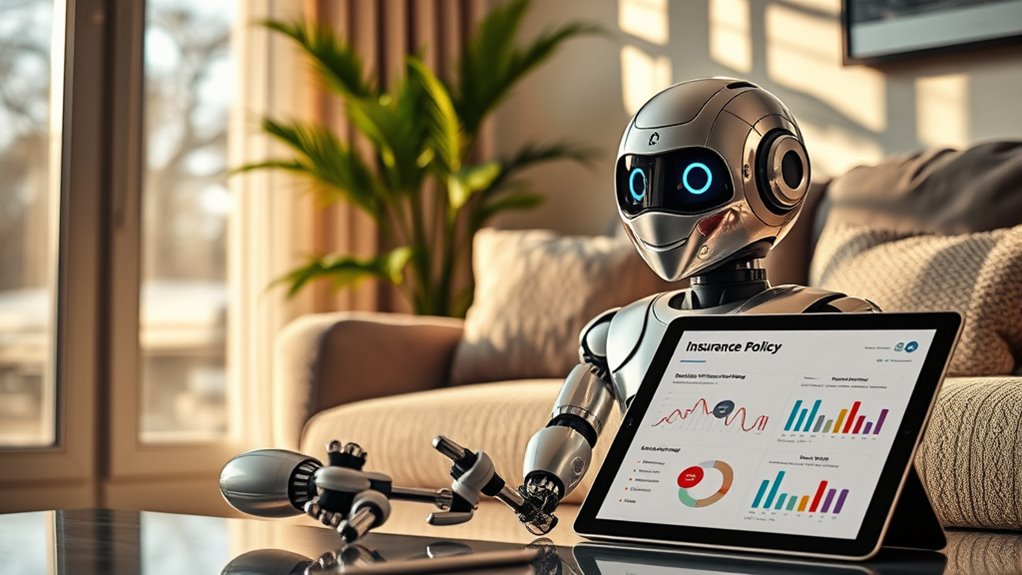
As a homeowner with robots, your insurance policies can be affected because these devices introduce new risks like property damage or injuries if not properly maintained. Insurers now often require proof of regular upkeep or safety compliance for coverage. Liability concerns are shifting, and you may need extra protection for robot-related incidents. Staying informed about how your coverage adapts to these tech changes can help you better manage risks and guarantee you’re fully protected. Keep exploring to see how you can best safeguard your smart home.
Key Takeaways
- Home robots can lead to new insurance claims, prompting insurers to update policies and coverage options.
- Proper maintenance of robots is often a policy requirement to prevent damage and reduce liability risks.
- Insurers are expanding liability coverage to address damages caused by autonomous or semi-autonomous home robots.
- Regular safety assessments and documented upkeep of robots can influence policy eligibility and claims outcomes.
- Advances in home automation may result in evolving insurance policies focused on robot safety and responsible use.
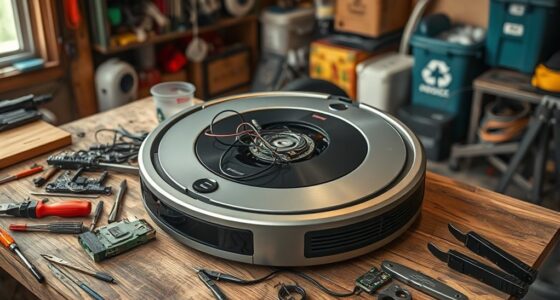
Have you ever wondered how the rise of home robots is changing the way insurance companies handle claims and coverage? As more households incorporate robots like vacuum cleaners, security drones, or smart assistants, insurers are starting to rethink their policies. One of the key considerations is how these devices are maintained and who’s responsible if something goes wrong. Robot maintenance becomes a vital factor because it directly impacts the likelihood of malfunctions or accidents. If a robot isn’t properly maintained, it could cause property damage or personal injuries, leading insurers to scrutinize maintenance records more closely. Many policies now require proof of routine upkeep or updates to ensure robots operate safely and reliably. This focus on robot maintenance helps prevent unnecessary claims and promotes safer use of home robots.
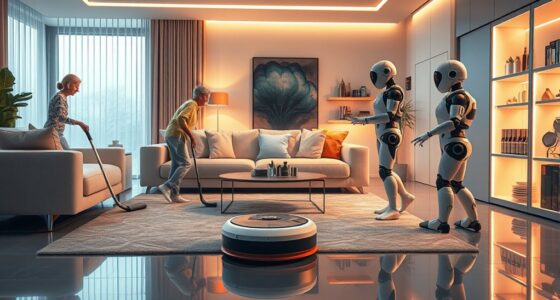
Liability coverage also takes on new significance in this evolving landscape. Traditionally, insurance policies cover damages caused by human error or household appliances. But with robots acting semi-autonomously, questions arise about who’s liable when a robot causes harm. Do homeowners hold the primary responsibility, or does the manufacturer share some liability? Insurers are increasingly looking at liability coverage to address these concerns. They want to clarify whether their policies extend to accidents involving autonomous or semi-autonomous robots. Many companies are now offering specialized coverage options that explicitly include robot-related damages, helping homeowners feel more secure knowing that potential liabilities are accounted for. This shift means homeowners may need to update their policies or purchase additional coverage to guarantee full protection.
Furthermore, the rise of home robots prompts insurers to evaluate the safety and reliability of these devices before issuing policies. They might require proof of robot maintenance routines or certifications from manufacturers to reduce risk. The goal is to prevent claims from faulty or poorly maintained robots that could damage property or cause injuries. Insurers are also exploring the legal implications of liability for robot accidents, which could influence future policy language and coverage limits. As a homeowner, you might find yourself asked to demonstrate that your robots are well-maintained and compliant with safety standards, especially if an incident occurs. Being proactive about robot maintenance and understanding your liability coverage options can help you avoid surprises and ensure you’re protected in this new era of home automation. Additionally, vetted security systems and reliable home automation devices can further mitigate risk and enhance overall safety.
Frequently Asked Questions
How Do Home Robots Impact Liability Coverage?
Home robots can impact your liability coverage by increasing potential liability claims if they cause damage or injury. Insurance companies may review your policy to ensure it covers accidents involving robots, especially if safety regulations aren’t followed. You might need to update your policy or add endorsements to address these risks. Staying compliant with safety regulations helps minimize liability and keeps your coverage effective, protecting you from unexpected claims.
Are There Specific Insurance Discounts for Homes With Robots?
They say, “Prevention is better than cure,” and that’s true for home robots. Some insurers offer discounts if you maintain your robots properly and integrate them into your smart home system. Regular robot maintenance reduces risks, potentially lowering premiums. Be sure to ask your insurer about these discounts, as smart home integration and well-maintained robots can save you money while keeping your home safer.
What Happens if a Robot Causes Property Damage?
If a robot causes property damage, you’re responsible unless liability waivers cover the incident. Confirm proper robot maintenance to prevent accidents, and review your insurance policy for coverage details. Some policies might require you to carry specific protection for home robots or offer discounts if you have liability waivers in place. Staying proactive with maintenance and understanding your coverage helps protect you from unexpected costs.
Do Insurance Policies Cover Robot Malfunctions?
Yes, your insurance policy may cover robot malfunctions, but it depends on your specific coverage. Regular robot maintenance can prevent many issues, yet some policies include coverage exclusions for certain damages or neglect. You should carefully check your policy details to understand what’s covered and what isn’t. Don’t forget to review your policy periodically, ensuring it adequately addresses potential robot-related risks and repairs.
Are There Different Policies for Different Types of Home Robots?
Yes, there are different policies for various home robots. You need to take into account robot maintenance and whether your robot warranty covers damages or malfunctions. Some policies might specify coverage based on the robot’s purpose, features, or value. Check with your insurer to see if additional protection is necessary. Understanding your robot’s warranty and maintenance requirements helps ensure you get appropriate coverage, especially if accidents or malfunctions occur.
Conclusion
As home robots become part of your daily life, they’re like silent guardians, shaping your insurance needs like an unseen hand guiding a delicate dance. Their presence can both shield you from unforeseen mishaps and introduce new risks that insurance companies must navigate. So, as you invite these mechanical helpers into your home, remember they’re not just tools—they’re the new chapters in your story, writing a future where technology and protection intertwine like threads in a tapestry.