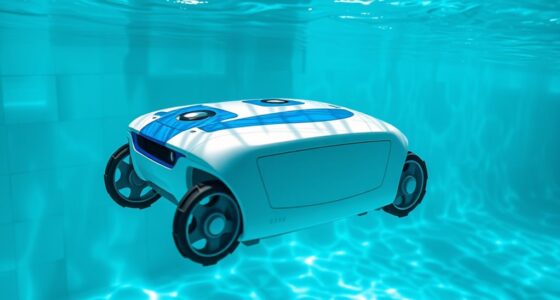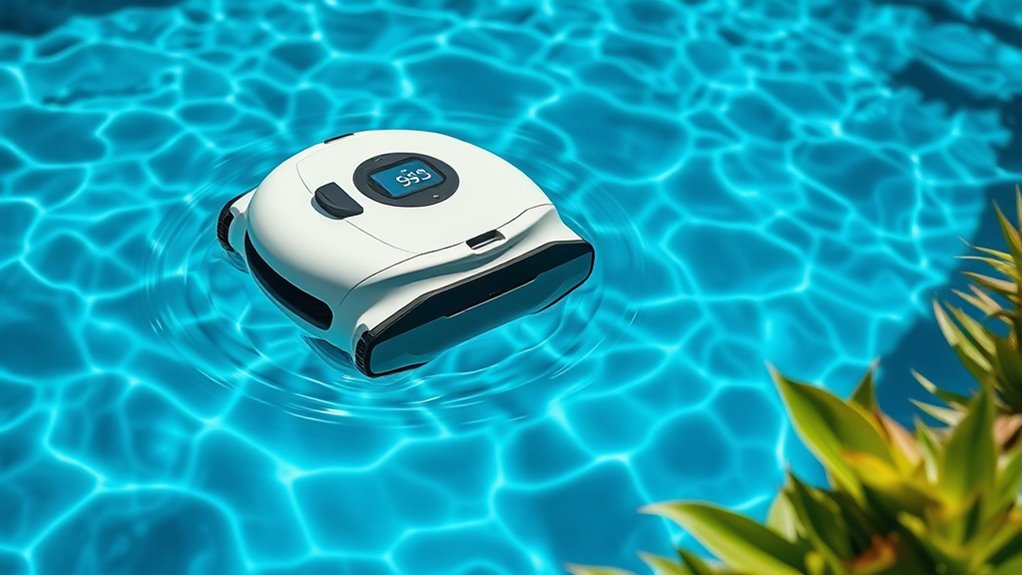
Pool robots generally use between 150 to 300 watts per hour, depending on their size, battery capacity, and motor efficiency. Models with optimized motors and smart features tend to consume less electricity while still cleaning effectively. Longer battery life and energy-efficient design help you save on power bills and reduce environmental impact. If you want to find out how to choose the most energy-friendly pool robot, keep exploring the key factors that influence their efficiency.
Key Takeaways
- Battery capacity and cleaning cycle estimates indicate how much energy a pool robot consumes per use.
- Energy-efficient motors and smart features reduce overall electricity consumption during operation.
- Longer battery life and multiple cleaning cycles per charge improve energy efficiency and lower power use.
- Power management features like standby mode and scheduling help minimize unnecessary energy drain.
- Compact, lightweight designs require less motor effort, decreasing electricity consumption during cleaning.
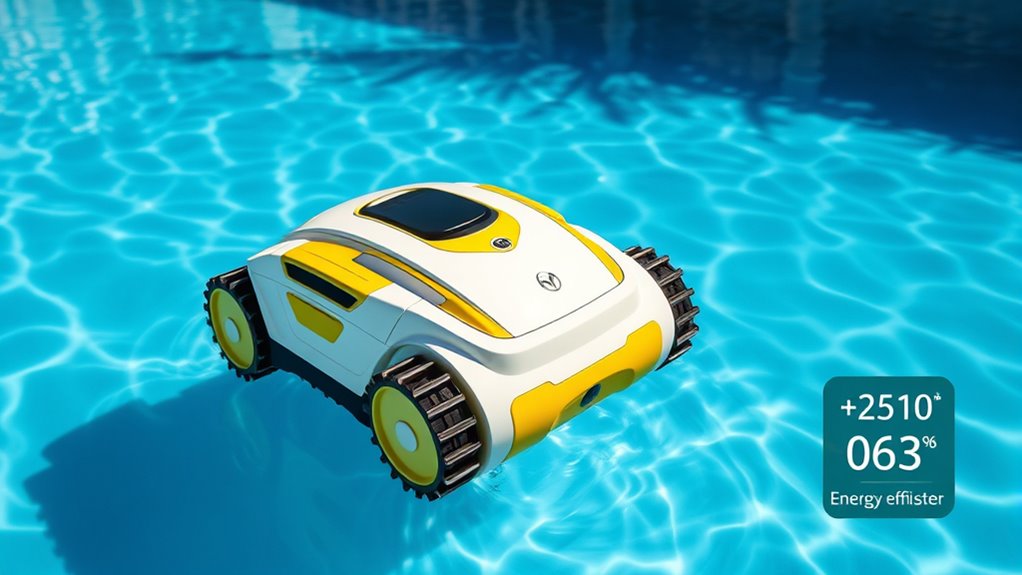
Have you ever wondered how energy-efficient pool robots really are? Many people assume these devices consume a lot of electricity, but the truth is, modern pool robots are designed to be quite energy-conscious. When considering their energy efficiency, one of the key factors to look at is battery life. A longer battery life means the robot can complete more cleaning cycles on a single charge, reducing the need for frequent recharging and overall energy use. Typically, a well-designed pool robot can run multiple cleaning cycles before needing a recharge, which indicates efficient power management. If your robot has a short battery life, it might require more frequent charges, leading to higher energy consumption over time.
The number of cleaning cycles a pool robot can perform on one charge is a good indicator of its energy efficiency. Generally, a robot that completes several full cleaning cycles per charge is using its power more effectively. This efficiency is achieved through optimized motors, smart navigation, and energy-saving modes that prevent unnecessary power drain. You should pay attention to the robot’s power consumption during different stages of operation—some models automatically enter low-power standby modes once cleaning is complete, which helps conserve energy. When shopping for a pool robot, check the specifications for battery capacity and estimated cleaning cycles per charge; these details give you a clearer picture of how energy-efficient the device is in real-world use.
Additionally, the design of the robot influences its energy footprint. Lightweight, compact models tend to use less power, as they require less motor effort to move around the pool. Advanced features such as programmable schedules and automatic shutoff also contribute to lower energy use, ensuring the robot isn’t running unnecessarily. Furthermore, some robots come with energy-efficient motors that produce the same cleaning power while consuming less electricity. This combination of battery management, motor efficiency, and smart features helps keep the overall energy consumption low. Incorporating energy-efficient motors and smart scheduling options can significantly reduce a device’s environmental impact.
In the end, understanding how much electricity a pool robot uses depends on examining its battery life, cleaning cycle capacity, and additional energy-saving features. A device that can perform multiple cleaning cycles on a single charge not only saves you money but also reduces your environmental impact. When selecting a robot, aim for one with a good balance of long battery life and multiple cleaning cycles, as these are strong indicators of energy efficiency. With the right model, you’ll keep your pool spotless without running up your energy bills or wasting power—making your pool maintenance smarter and more sustainable.

S2 Pool Vacuum Robot for Above Ground Pools, Cordless Operation, 80-Min Runtime, Coverage up to 766 sq ft, Efficient Cleaning Performance, Self-Parking and Easy Maintenance (Jet Black)
Built for Everyday Pool Floor Cleaning: Designed as a practical cleaning solution for residential above-ground pools, focusing on…
As an affiliate, we earn on qualifying purchases.
As an affiliate, we earn on qualifying purchases.
Frequently Asked Questions
Do All Pool Robots Have the Same Energy Consumption?
Not all pool robots have the same energy consumption. Some models run on solar energy or battery power, making them more energy-efficient. Cheaper robots often use more electricity, while advanced ones with solar panels or rechargeable batteries consume less. Your choice depends on how much you want to save on energy costs, as solar-powered or battery-operated robots tend to be more eco-friendly and reduce your overall electricity use.
How Does Pool Size Affect Robot Energy Use?
Your pool size directly impacts the robot’s energy use, as larger pools require more cleaning time, increasing the energy impact. When your pool is bigger, the robot works longer and consumes more electricity to cover the entire area effectively. Conversely, smaller pools mean less work for the robot, reducing energy consumption. So, always consider your pool size to gauge how much energy your robot will likely use.
Are There Eco-Friendly Pool Robot Options Available?
Imagine a pool robot as a tiny eco-warrior gliding through your water. Yes, eco-friendly options exist, often powered by solar energy, reducing reliance on traditional electricity. Some models incorporate biodegradable materials, making them gentle on the planet. These environmentally conscious robots help you keep your pool clean while minimizing your carbon footprint, turning your backyard into a sanctuary that cares for nature as much as it cares for your pool.
Does Using a Robot Reduce Overall Pool Energy Costs?
Using a pool robot can reduce your overall energy costs because it’s more efficient than traditional pool cleaning methods. When you perform regular robot maintenance and activate energy-saving modes, the robot operates *best* , consuming less power. These features help cut down on electricity use, saving you money over time. Plus, a well-maintained robot works better, ensuring your pool stays clean with less energy, making it a smart, eco-friendly choice.
How Often Should I Run My Pool Robot for Efficiency?
Like a trusty steed from days of yore, you should run your pool robot about 2-3 times weekly. This keeps your pool sparkling without overworking the device. Remember, regular robot maintenance guarantees peak performance, and keeping an eye on battery life considerations prevents premature wear. Adjust frequency based on pool usage and debris levels, and you’ll enjoy a clean pool while conserving energy efficiently.
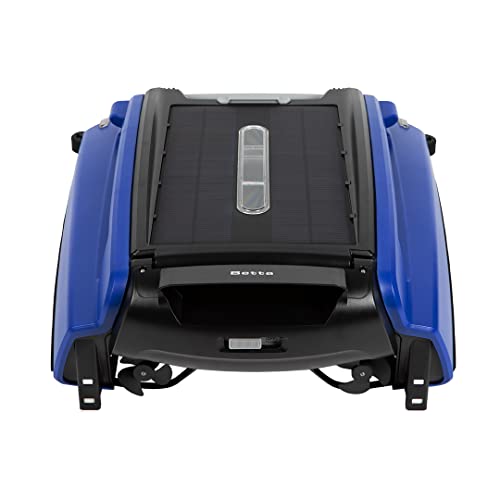
Betta SE Solar Powered Automatic Robotic Pool Surface Skimmer Cleaner with 24/7 Continuous Cleaning Battery Power and Re-Engineered Twin Salt Chlorine Tolerant Motors (Blue)
Operates 100% on solar power, automatically and continuously cleaning the water’s surface by removing debris such as leaves,…
As an affiliate, we earn on qualifying purchases.
As an affiliate, we earn on qualifying purchases.
Conclusion
Now that you know how much electricity your pool robot uses, you can see it’s like a gentle swimmer gliding through your pool—efficient and quiet. With smart choices, you’ll keep your energy bill low while your pool stays pristine. Think of your robot as a tiny eco-warrior, working tirelessly behind the scenes. So, plunge into savings and let your pool’s new best friend do the heavy lifting, all while keeping your energy footprint light as a feather.
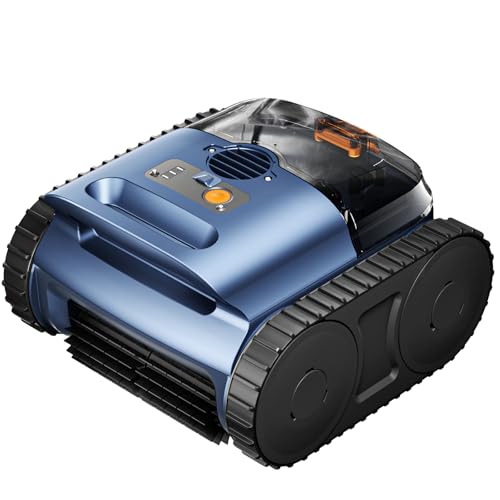
Cordless Robotic Pool Vacuum with Smarter Navigation & Track Drive, Dual 180W Brushless Motors, Wall & Waterline Climbing, 150-Min Runtime, for Inground & Above-Ground Pools up to 2,150 Sq. Ft.
Advanced & Smart Navigation, No Random Paths: Powered by an upgraded navigation system, the Pool Vacuum intelligently scans…
As an affiliate, we earn on qualifying purchases.
As an affiliate, we earn on qualifying purchases.

BOTLIFE Cordless Pool Robot Vacuum for Inground Pools, 5000 GPH Powerful Suction Robotic Pool Cleaner, Wall Climbing & Waterline Scrubbing, 120 Mins Runtime, Smart Navigation for Floor/Wall/Waterline
【Massive 5000 GPH Suction & 4L Filtration】Equipped with dual-drive motors and a dedicated high-efficiency pump, the BOTLIFE robotic…
As an affiliate, we earn on qualifying purchases.
As an affiliate, we earn on qualifying purchases.