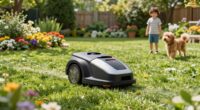
Robot mops are great for maintaining daily or weekly cleanliness, but they can’t fully replace a thorough deep clean. While they efficiently pick up dust and light dirt, they struggle with stubborn stains, grease, or ingrained grime. Manual scrubbing is still necessary for those tougher spots and for an extensive clean. If you want to learn how to get the best results for your floor, there’s more to consider beyond just using a robot mop.
Key Takeaways
- Robot mops are effective for routine cleaning but lack the power to remove stubborn grime and ingrained stains.
- They excel at maintaining cleanliness but cannot fully replace manual scrubbing for deep cleaning tasks.
- Advanced navigation improves coverage, yet some areas may still be missed, requiring manual touch-ups.
- Combining robot mopping with periodic manual deep cleaning provides the best overall floor hygiene.
- Manual cleaning remains essential for thoroughly disinfecting and tackling heavily soiled or high-traffic zones.

Have you ever wondered if robot mops can handle deep cleaning as effectively as traditional methods? It’s a common question, especially when considering whether these gadgets can truly replace your weekly deep clean. To get a clear picture, you need to compare robot mops versus traditional mopping. Traditional mopping involves manual effort, using a mop and bucket, and typically allows you to target stubborn stains, grout lines, and corners with precision. Robot mops, on the other hand, are designed to automate the process, offering convenience and consistent routine cleaning. But can they match the thoroughness of manual scrubbing?
Robot mops offer convenience for routine cleaning but may not match the thoroughness of manual scrubbing.
When debating the effectiveness of robot mops versus traditional mopping, it’s important to recognize their strengths and limitations. Robot mops excel at maintaining cleanliness on a daily basis, sweeping up dust, pet hair, and light dirt. They’re perfect for regular upkeep, especially if you’re busy or dislike chores. However, in the cleaning frequency debates, many argue that robot mops aren’t quite capable of deep cleaning stubborn grime, grease, or ingrained stains that require manual scrubbing or the use of stronger cleaning solutions. Traditional mopping allows you to apply targeted pressure and use cleaning products designed for deep sanitation, ensuring your floors are thoroughly sanitized.
Furthermore, robot mops are generally limited in their ability to clean corners, edges, and textured surfaces effectively. Many models follow predetermined paths, which can leave behind missed spots or areas that need a more detailed touch. If you’re aiming for a weekly deep clean, relying solely on a robot mop might not cut it. You might find yourself still needing to go over certain areas manually, especially in high-traffic zones or spaces with stubborn stains. Additionally, some advanced robot mops incorporate navigation and mapping features to improve coverage, but they still may not completely replace manual effort in heavily soiled areas.
That said, robot mops are excellent for maintaining a baseline of cleanliness, reducing the frequency with which you need to perform intensive manual cleaning. They help keep dust and light dirt under control, making your deep cleaning sessions less intimidating. Ultimately, whether a robot mop can replace your weekly deep clean depends on your expectations. If you want a device that offers convenience and keeps your floors reasonably clean, it’s a good addition. But for thorough sanitation, especially in areas prone to stains or heavy wear, traditional mopping remains essential. Combining both approaches—using a robot mop regularly and reserving manual deep cleaning for once a week—may give you the best of both worlds.
Frequently Asked Questions
How Often Should I Manually Deep Clean My Floors?
You should deep clean your floors at least once a month, depending on your flooring materials and cleaning schedules. For hardwood or tile, regular mopping and occasional scrubbing keep them looking fresh. Carpets may need more frequent vacuuming and occasional deep cleaning. Adjust your routine based on foot traffic and pets. Manually deep cleaning guarantees your floors stay in top shape, complementing robotic mops and maintaining a healthy, spotless home.
Can Robot Mops Handle Stubborn Stains Effectively?
Like trying to scrub a stubborn stain with a feather, robot mops struggle with tough spots. Their limitations in stain removal effectiveness mean they often can’t fully tackle stubborn stains on their own. For best results, you might need to manually pre-treat heavily soiled areas. While robot mops can handle regular dirt and light spills, don’t expect them to replace your deep clean when it comes to stubborn stains.
Do Robot Mops Work Well on All Floor Types?
Robot mops work well on most smooth floor types like tile, hardwood, and laminate, but their effectiveness depends on floor type compatibility. You should be aware of robot mop limitations, such as difficulty with uneven surfaces or thick carpets. For best results, choose a model suited for your specific floor, and remember that some stubborn stains or deep cleaning tasks may still require manual effort.
Are Robot Mops Suitable for Homes With Pets?
Robot mops are suitable for homes with pets, especially for pet hair removal and odor control. They efficiently pick up loose hair and reduce pet odors with regular use. However, for deep cleaning and stubborn stains, you should still do a manual clean. Use a robot mop daily to keep floors tidy and fresh, making your home more comfortable for both you and your pets.
What Maintenance Is Required for Robot Mops?
Did you know that regular robot mop maintenance can extend its lifespan by up to 20%? To keep yours running smoothly, clean the mop’s brushes and sensors weekly, and empty the water tank after each use. Pay attention to battery care by charging it fully before use and avoiding complete discharges. Proper robot mop maintenance guarantees efficient cleaning and prolongs its performance, saving you time and money.
Conclusion
While robot mops may master mundane mopping, they can’t fully substitute a thorough, weekly deep clean. Don’t depend solely on devices for a spotless space; combine convenient cleaning with detailed care. Remember, a meticulous maintenance routine keeps your home healthy, happy, and hygienic. So, strike a smart balance—embrace the ease of automation, but don’t forget the finesse of a focused, full-fledged deep clean. Keep cleaning clever, consistent, and clutter-free!