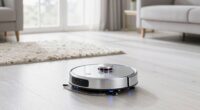
If your robot vacuum is loud, it could be due to worn batteries, dirty sensors, or tangled debris in the brushes and wheels. Over time, parts like belts and bearings wear out, causing rattling or squeaking sounds. Motor quality and proper setup also impact noise levels. Regularly cleaning sensors, emptying the dustbin, and replacing worn parts can reduce the noise. Keep going to discover detailed steps to quiet your vacuum and improve its performance.
Key Takeaways
- Battery issues increase motor workload, causing louder operation and irregular noise.
- Sensor malfunctions or dirt can lead to repeated bumping and banging sounds.
- Debris tangled in brushes or wheels creates vibrations and rattling noises.
- Worn or loose parts like belts and bearings produce squeaking or grinding sounds.
- Low-quality motors or improper assembly can result in generally louder vacuum performance.
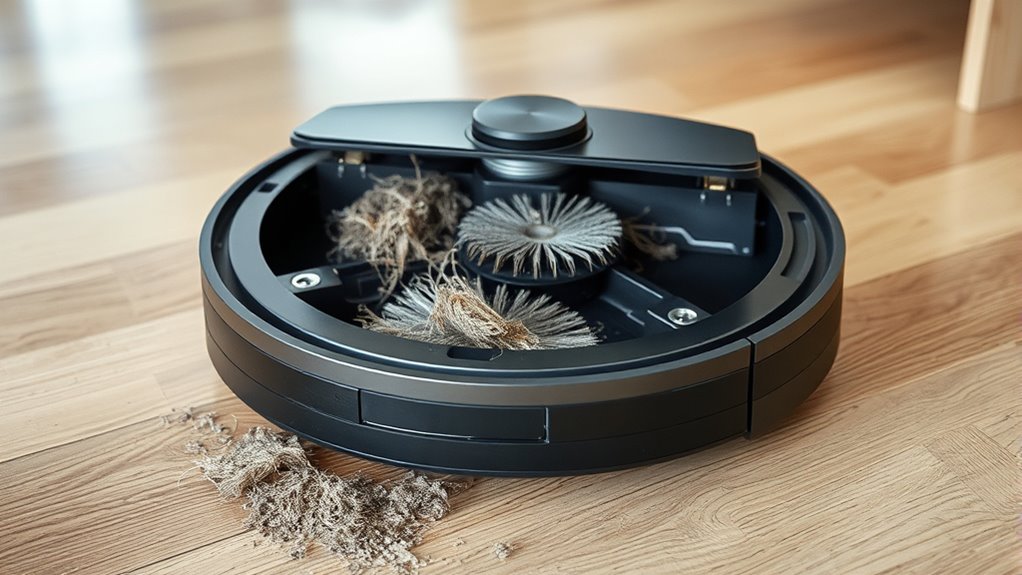
If your robot vacuum is making more noise than usual, it can be both frustrating and disruptive. Noise increases often signal underlying problems that need quick attention. One common cause is battery issues. Over time, the battery’s capacity diminishes, causing the vacuum to work harder to power itself. When the battery struggles to hold a charge, the motor has to compensate, which can lead to louder operation. Additionally, if the battery isn’t properly seated or is damaged, it can produce irregular power delivery, resulting in unusual noises. Replacing an aging or faulty battery can often restore normal operation and reduce noise levels.
Battery issues can cause your robot vacuum to make more noise than usual.
Sensor malfunctions are another frequent culprit behind increased noise. Robot vacuums rely heavily on sensors to navigate smoothly and avoid obstacles. When these sensors malfunction or get dirty, the vacuum may repeatedly bump into furniture or walls, causing a loud banging or thudding sound. Dust, debris, or buildup on sensor lenses can impair their function, prompting the vacuum to struggle with obstacle detection. Cleaning the sensors gently with a soft cloth and ensuring they are free from dirt can often restore proper navigation and quiet operation. In some cases, sensors may need recalibration or replacement if they’re damaged or defective.
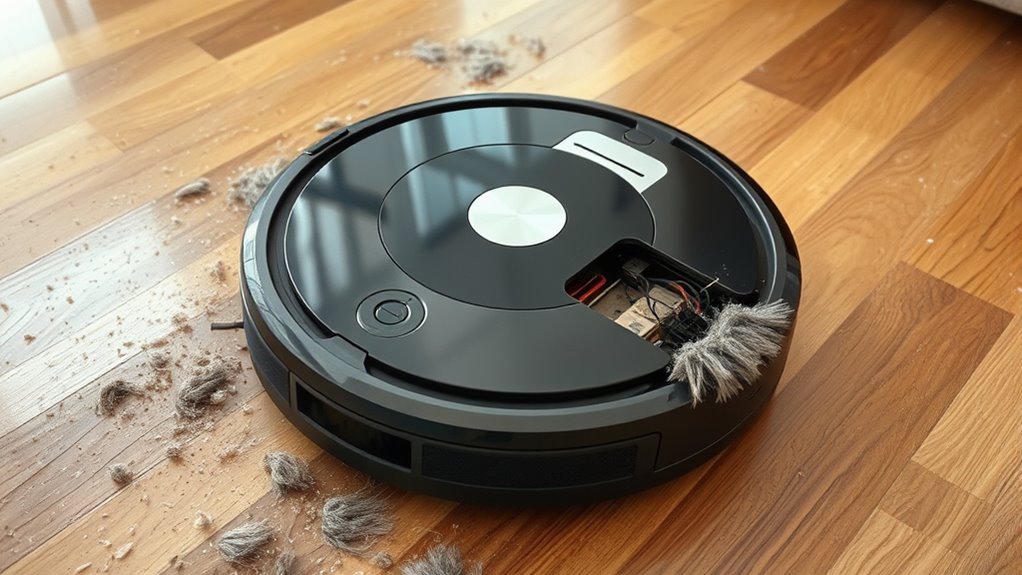
Sometimes, excessive noise stems from debris caught in the brushes or wheels. If hair, string, or dirt gets tangled in the brushroll or around the wheels, it can cause abnormal vibrations and grinding sounds. Regularly checking and clearing these parts keeps the vacuum running smoothly. Also, check the dustbin and filter. A full dustbin or clogged filter can strain the motor, leading to increased noise and reduced suction. Emptying the dustbin and replacing or cleaning filters as recommended by your manufacturer can alleviate this issue.
Another factor to think about is the overall wear and tear of the vacuum. Parts like the brushroll, belts, and bearings degrade over time. Worn-out parts tend to produce rattling or squeaking sounds during operation. If you notice persistent loud noises, inspecting these components and replacing them as needed can restore quieter performance. Also, ensure the vacuum is on a level surface and that all parts are fitted correctly—loose or misaligned parts can cause vibrations and noise.
Finally, high-quality motors used in some models are designed for quieter operation, so choosing a model with a better motor can make a significant difference in noise levels.

Upgraded 4000mAh N79 14.4V Battery for Eufy RoboVac 11 11S 30 15C 25C 35C Robot Vacuum Cleaner for Ecovacs Deebot N79 N79S Deebot 500 600 DN622, Goovi F007C D380 Robot Vacuum Cleaner Battery
【Upgraded 4.0Ah Capacity】: The real-capacity 4000mAh lithium-ion deebot replacement battery provides an ultra-long running time of 120 to…
As an affiliate, we earn on qualifying purchases.
As an affiliate, we earn on qualifying purchases.
Frequently Asked Questions
Can Regular Maintenance Reduce My Robot Vacuum’s Noise?
Regular maintenance definitely helps reduce your robot vacuum’s noise. By following simple maintenance tips like cleaning brushes, emptying the dustbin, and checking for tangled hair, you minimize strain on the motor and parts. Noise reduction techniques, such as tightening loose components and replacing worn-out filters, also make your vacuum quieter. Staying on top of maintenance not only extends your vacuum’s lifespan but keeps it operating smoothly and quietly.
Do Different Brands Have Varying Noise Levels?
Think of robot vacuum brands like car models; some are quieter than others. Brand comparison shows significant noise variability, with premium brands often designing quieter motors and soundproofing. For example, I found that a higher-end brand ran much smoother and quieter than budget options. When choosing a robot vacuum, consider brand reputation for noise levels, as this can make your cleaning experience more peaceful and less disruptive.
How Does the Surface Type Affect Noise?
The surface type considerably impacts your robot vacuum’s noise levels because surface noise varies with material impact. Hard surfaces like tile or hardwood reflect sound, making it seem louder, while carpets absorb sound, reducing noise. When cleaning on different surfaces, expect your vacuum to produce varying noise levels. You can minimize this by adjusting cleaning settings or using softer brushes, especially on delicate or hard surfaces, to keep noise manageable.
Is a Louder Vacuum More Effective at Cleaning?
A louder vacuum isn’t necessarily more effective at cleaning. Noise level doesn’t directly correlate with cleaning efficiency; instead, it often indicates the motor’s power or how the vacuum interacts with surfaces. You might notice a louder vacuum on thick carpets or rough surfaces, but that doesn’t mean it cleans better. Focus on the vacuum’s suction power and brush quality for ideal cleaning, rather than just noise level.
Can Replacing Parts Lower the Noise Significantly?
Yes, replacing parts can substantially lower the noise of your robot vacuum. When you perform parts replacement, especially on worn-out brushes, belts, or bearings, you reduce friction and vibrations that cause loud noises. This noise reduction not only makes your vacuum quieter but also improves its overall performance. Stay vigilant—regularly updating these components ensures your device runs smoothly and quietly, giving you a more pleasant cleaning experience.
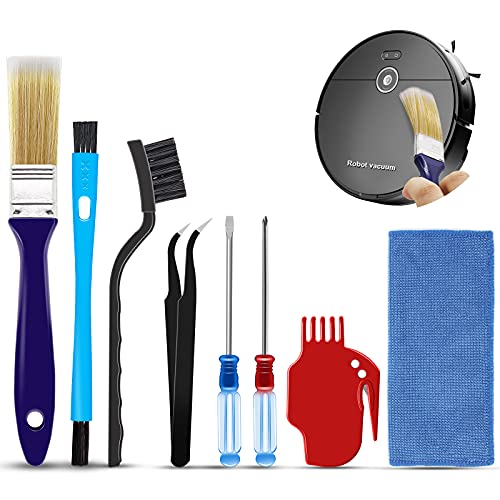
Midukit Vacuum Attachments Accessories for Robot Vacuum Cleaner,Cleaning Brush roll Cleaning Tool Replacement Parts, Part kit Tool for Vacuums Cleaner Replacement Include Vacuum Cleaning Cloth
Midukit vacuum cleaning kit for robot, dyson. Vacuum cleaning tool includes Cleaning Brush, tweezers, screwdriver (Phillips, Slotted), double-end…
As an affiliate, we earn on qualifying purchases.
As an affiliate, we earn on qualifying purchases.
Conclusion
Understanding why your robot vacuum is loud helps you silence the storm within. Think of it as tuning a delicate instrument—each noise a note, each fix a gentle adjustment restoring harmony. When you address the causes, you regain control over the symphony of cleanliness, transforming chaos into calm. With patience and care, you turn a noisy machine into a silent guardian of your home’s peace, symbolizing mastery over technology and the serenity you deserve.

Replacement Parts BrushRoll for Shark AI AV2511AE AV2501S AV2501AE RV2502AE RV2520AOUS AV2510AOUS RV2410WD RV2610WA RV2610WD RV2620WD Roller Brush & Main Brush Robot Vacuum Cleaner
【Compatibilty】 Roller brush compatible with Shark AV2511AE AV2501S RV2502AE RV2520AOUS AV2510AOUS RV2410WD RV2610WA RV2610WD RV2620WD AI Robot Vacuum.Part…
As an affiliate, we earn on qualifying purchases.
As an affiliate, we earn on qualifying purchases.

eufy Robot Vacuum 11S MAX, Super Thin, Powerful Suction, Quiet, Self-Charging Robotic Vacuum Cleaner, Cleans Hard Floors to Medium-Pile Carpets, Black
1. Compact and Quiet Operation: With a slim 2.85" profile, the eufy robot vacuum operates quietly, offering a…
As an affiliate, we earn on qualifying purchases.
As an affiliate, we earn on qualifying purchases.