Robotic cleaners are generally safe for saltwater pools because most models are built with corrosion-resistant materials like high-grade plastics and special coatings. They’re designed to handle the salty environment without damage, making maintenance easier and more effective. Just make certain your robotic cleaner is marked as salt water compatible or corrosion-resistant. If you want to learn more about choosing the right robotic cleaner for your saltwater pool, keep exploring the options and tips available.
Key Takeaways
- Most modern robotic cleaners are designed with corrosion-resistant materials suitable for saltwater pools.
- Verify that the robotic cleaner is labeled as compatible with saltwater or salt pools before purchase.
- Sealed motors and protective coatings help robotic cleaners withstand the salt’s corrosive effects.
- Regular maintenance and inspections extend the lifespan of robotic cleaners in saltwater environments.
- Properly selected robotic cleaners can effectively clean saltwater pools without damage or corrosion concerns.

Ever wondered how saltwater pools differ from traditional chlorine pools? The main difference lies in how they generate and maintain the sanitizing agent. Saltwater pools use a salt chlorinator to produce chlorine naturally from salt added to the water. This process results in softer, more comfortable water and fewer harsh chemical odors. But as you consider robotic cleaners for maintenance, it’s important to understand some unique aspects of saltwater pools, especially corrosion concerns. Saltwater is more corrosive than fresh water, which can affect pool equipment and structures over time. Metal parts, such as ladders, rails, and pumps, may be more vulnerable to rust and deterioration if not properly protected. That’s why selecting equipment designed to withstand salt’s corrosive effects becomes *essential*, and it’s also why robotic maintenance can be especially advantageous. Corrosion-resistant materials are key to ensuring durability in saltwater environments.
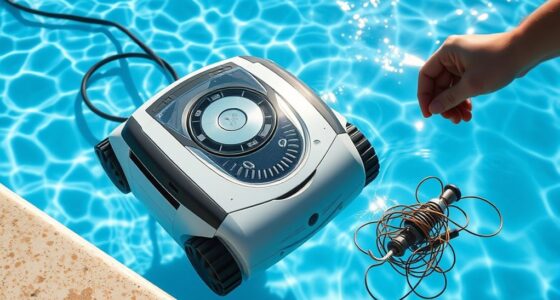
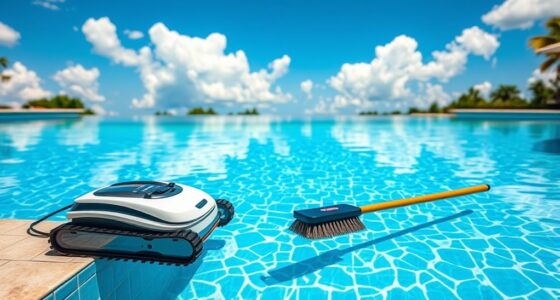
Robotic pool cleaners are popular because they’re efficient, easy to use, and require minimal manual effort. When it comes to saltwater pools, these robotic devices are generally safe and effective, provided they are designed for use in salty environments. Many modern robotic cleaners come with corrosion-resistant materials, such as high-grade plastics and specialized coatings, making them well-suited for saltwater pools. Using the right robotic cleaner can help you keep your pool spotless without exposing your equipment to unnecessary wear and tear. Plus, robotic maintenance allows you to regularly remove debris, dirt, and algae, which can otherwise accumulate quickly in saltwater environments. This ongoing cleaning helps prevent buildup that might accelerate corrosion on metal parts or cause damage to pool surfaces.
You should, however, pay attention to the specifications of your robotic cleaner. Not all models are built for saltwater applications, so check if the manufacturer states that the device is corrosion-resistant or suitable for salt pools. Regularly inspecting and maintaining both your robotic cleaner and your pool equipment will extend their lifespan and keep your pool in pristine condition. Many robotic cleaners are designed with sealed motors and protected components, making them resistant to the salt’s corrosive effects. This means you can enjoy the benefits of robotic maintenance without worrying about equipment deterioration, as long as you choose the right model and follow recommended maintenance routines.
Frequently Asked Questions
Do Robotic Cleaners Require Special Maintenance for Saltwater Pools?
Robotic cleaners do require some special maintenance for saltwater pools to guarantee pool chemical compatibility and durability. You should regularly rinse the robot to remove salt buildup, check brushes and filters for corrosion, and use saltwater-friendly cleaning solutions. This routine helps maintain the cleaner’s performance, prolongs its lifespan, and keeps it compatible with your saltwater system. Proper maintenance ensures your robotic cleaner stays effective and durable over time.
Can Saltwater Corrosion Damage Robotic Pool Cleaners Over Time?
Saltwater corrosion can damage robotic pool cleaners over time, especially if they aren’t built with durable materials. Corrosion risks increase if the cleaner’s components aren’t corrosion-resistant, leading to potential malfunctions. To protect your robot, choose models designed with materials like stainless steel or high-grade plastics. Regular maintenance and rinsing after use in saltwater pools also help minimize corrosion risks and extend your cleaner’s lifespan.
Are Robotic Cleaners Compatible With All Types of Saltwater Pool Surfaces?
Think of your pool surface types as a delicate dance, and your robotic cleaner as the perfect partner. Most robotic cleaners are compatible with common surfaces like vinyl, fiberglass, and concrete, making them versatile dancers in your saltwater pool. However, always check the manufacturer’s guidelines to guarantee compatibility. With proper selection, your robotic cleaner will glide smoothly across your pool, keeping it spotless without damaging any surface.
How Often Should Robotic Cleaners Be Serviced in Saltwater Pools?
You should service your robotic cleaner every 1 to 3 months to maintain ideal performance and extend its lifespan. Regular checks help guarantee your pool chemistry stays balanced, preventing salt buildup that can damage the device. Keep an eye on its brushes and filters, cleaning them as needed. Proper servicing keeps your robotic cleaner working efficiently, giving you cleaner pools and a longer-lasting device.
Do Robotic Cleaners Effectively Remove Salt Buildup in Pools?
Robotic cleaners are like diligent detectives, but they don’t always catch every clue. They effectively remove debris and dirt, but salt buildup can be stubborn, often requiring manual intervention. While they boost cleaning efficiency for most tasks, salt deposits might cling to the robot’s brushes and filters, so regular maintenance is key. To keep your pool sparkling, supplement robotic cleaning with periodic manual checks to tackle stubborn salt residue.
Conclusion
Think of your saltwater pool as a shimmering oasis, much like a well-tended garden thriving in harmony. Just as a gardener trusts gentle rains to nurture delicate blooms, you can trust robotic cleaners to keep your pool pristine without harm. These devices are like diligent bees, buzzing softly and working tirelessly. With proper care, your saltwater oasis remains safe and sparkling, inviting you to plunge into pure, invigorating bliss whenever you desire.